courtesy CMG Landscape Architecture
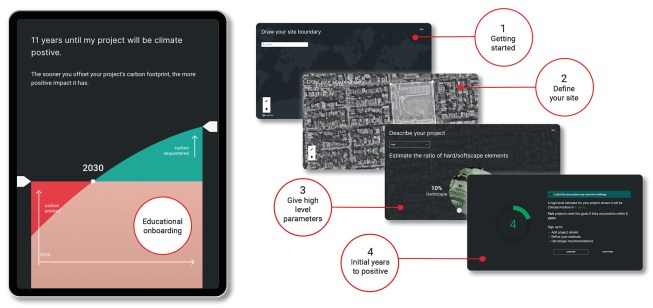
Pathfinder user experience
Until recently, landscape architecture has been mostly overlooked in attempts to reduce embodied carbon in the built environment. “Architecture has been collecting this data for years, but we’re starting from scratch,” says Pamela Conrad, a principal at CMG Landscape Architecture, in San Francisco. She and her collaborators are closing the gap with Pathfinder, a climate impact assessment tool for landscape architects that Conrad began developing in 2016; it launched last fall.
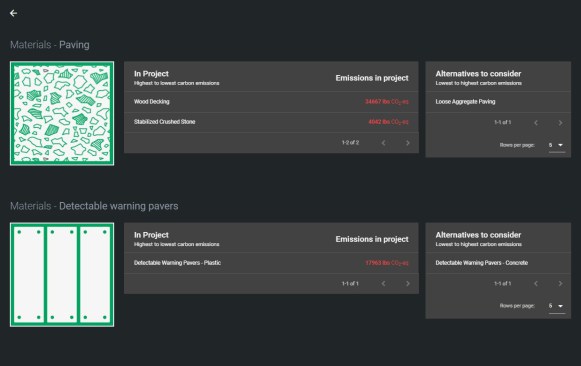
The online carbon calculator provides instantaneous suggestions for substituting building materials to reduce embodied carbon emissions and to improve carbon sequestration. These recommendations are meant for general guidance, as material selection is a nuanced process, Conrad says, but “by using the app, users are able to cut emissions by 30% to 50%, and double the sequestration from baseline expectations while still providing high quality design.”
This feels like a tool that gets designers engaged with material choices and material impacts very early in the design process.
—Juror K.P. Reddy
The tool requests user input on three design parameters: the quantity of materials that are sources of carbon emissions, such as pavement; the quantity of materials that are carbon sinks, such as plants; and anticipated carbon-emitting maintenance, like mowing or fertilizing.
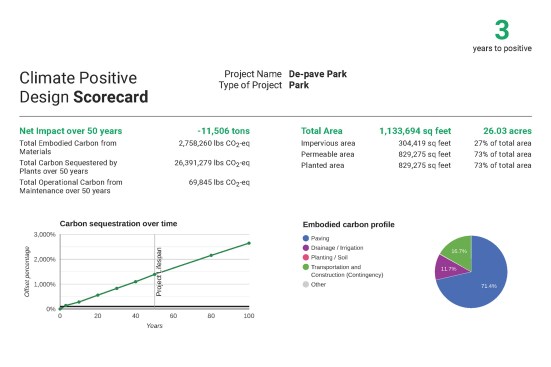
The app uses data from the Athena Impact Estimator for Buildings and the U.S. Forest Service to calculate a Climate Positive score, indicating when the project’s carbon sinks will offset its embodied and operating carbon footprint. The current carbon neutrality goal, calculated from 20 case studies integrating feasible interventions, is five years for parks and campuses, and 20 years for plazas and streetscapes.
courtesy CMG Landscape Architecture
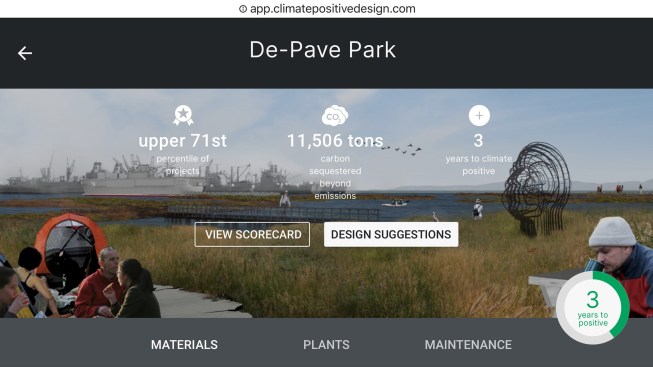
Sample project landing page in Pathfinder
courtesy CMG Landscape Architecture
Pathfinder scorecard indicating project impact and time to become climate positive
As of April, Pathfinder had logged 858 projects from 621 contributors in 46 countries. A forthcoming version will factor in preliminary site disturbances, such as tree removal, demolition, and earthmoving. Conrad also has plans to improve the app’s user experience, expand the material and plant database, and integrate life-cycle analysis data more seamlessly.
To increase Pathfinder’s effectiveness and reach, Conrad convened an international advisory panel of industry and academic partners. Her own team of immediate collaborators spans five countries and multiple disciplines.
Conrad hopes that Pathfinder will help promote holistic carbon accounting across architecture and landscape. “I’m really looking forward to collaborating with more architects,” she says. “We need to be working together.”
courtesy CMG Landscape Architecture
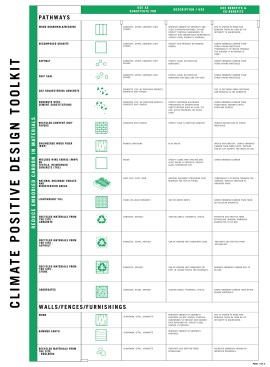
Information resources available on Pathfinder
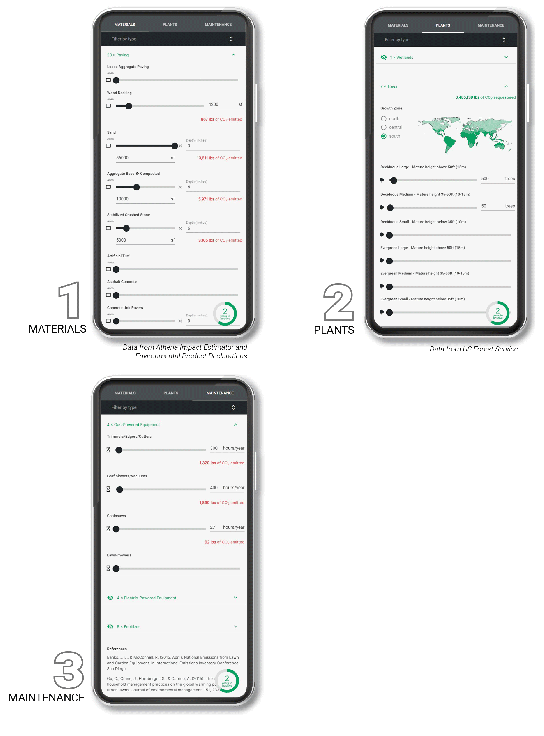
Data input sliders
courtesy CMG Landscape Architecture
Calculated material contributions to a sample project's carbon emissions and alternatives
courtesy CMG Landscape Architecture
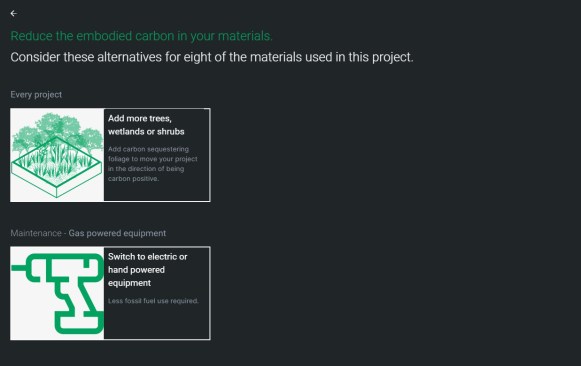
Example design alternatives to reduce a project's embodied carbon
Project Credits
Project: Pathfinder
Founder: Pamela Conrad
Primary Sponsor: CMG Landscape Architecture, San Francisco
Design Partners: Cameron Nimmo, Edan Weis, Tyler Maisano, Lauren Peters, Anne Donnard
Data Analysis: Antoinette Marty
Research Partners: Atelier 10 . Kristen DiStefano, Prateek Jain
Advisory Partners: Architecture 2030, American Society of Landscape Architects, Canadian Society of Landscape Architecture, Landscape Architecture Canada Foundation, Landscape Architecture Foundation, International Federation of Landscape Architects
Special Thanks: CMG . Greg Barger, Kevin Conger, Willett Moss, Chris Guillard, Eustacia Brossart, Kate Lenahan; Martha Schwartz Partners . Martha Schwartz; ASLA . Vaughn Rinner; IFLA/CSLA . Colleen Mercer Clarke
-
14th Annual R+D Awards
From 90 submissions, the jury picked seven entries that are scalable, thought-provoking, and promising in achieving a more equitable and healthy built environment.
-
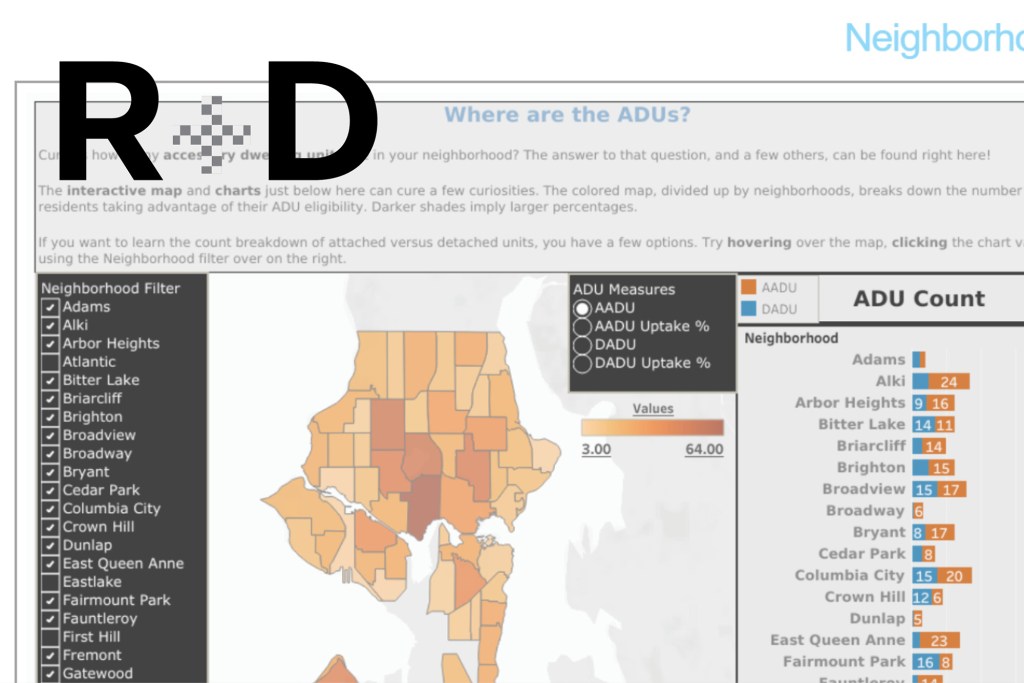
Award: ADUniverse, an App to Increase Housing Access
University of Washington associate professor Rick Mohler and the city of Seattle senior planner Nick Welch created a prototype app to help local homeowners increase housing density by building accessory dwelling units.
-
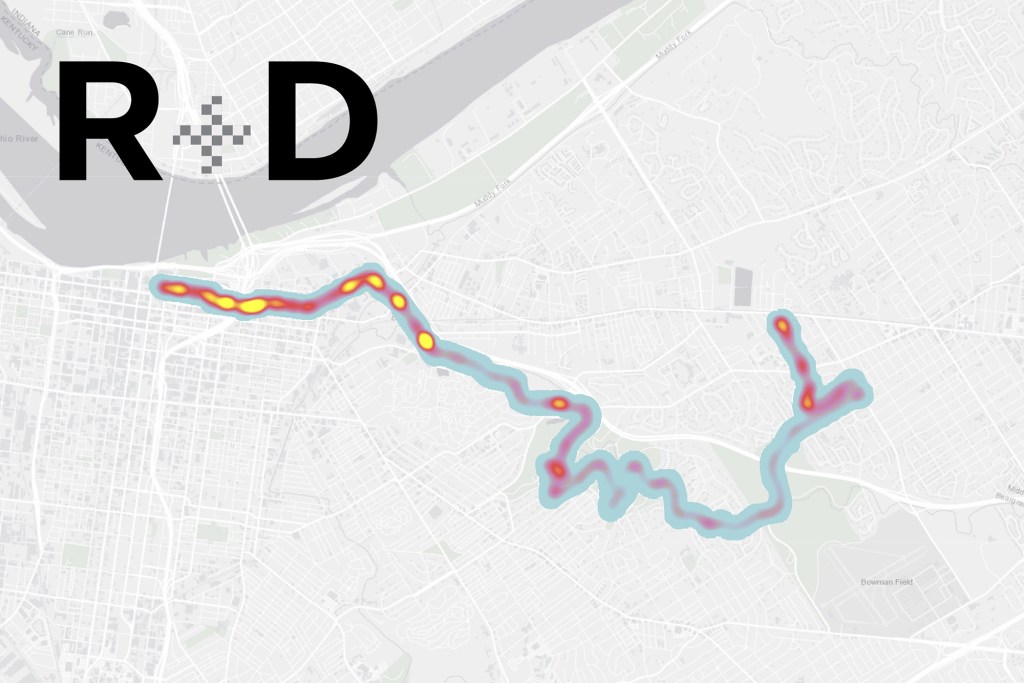
Award: Empathic Design Process Aims to Identify Successful Environments Through Data
A bike trip across the Netherlands inspired lead engineer Mike Sewell and Gresham Smith's Studio X Innovation Incubator to improve design by quantifying emotional response.
-
Award: InVert Self-Shading Windows Flip Energy Efficiency On Its Head
TBM Designs, co-founded by thermobimetal innovator Doris Sung, is tucking a self-powered, kinetic solution within insulated glass units to reduce solar heat gain and glare into buildings.

-
Award: Pathfinder, an App to Reduce Embodied Carbon in Landscape Design
Designed and developed by CMG Landscape Architecture, the mobile app enables designers to approximate the impact of their projects' materials and maintenance on carbon emissions.
-
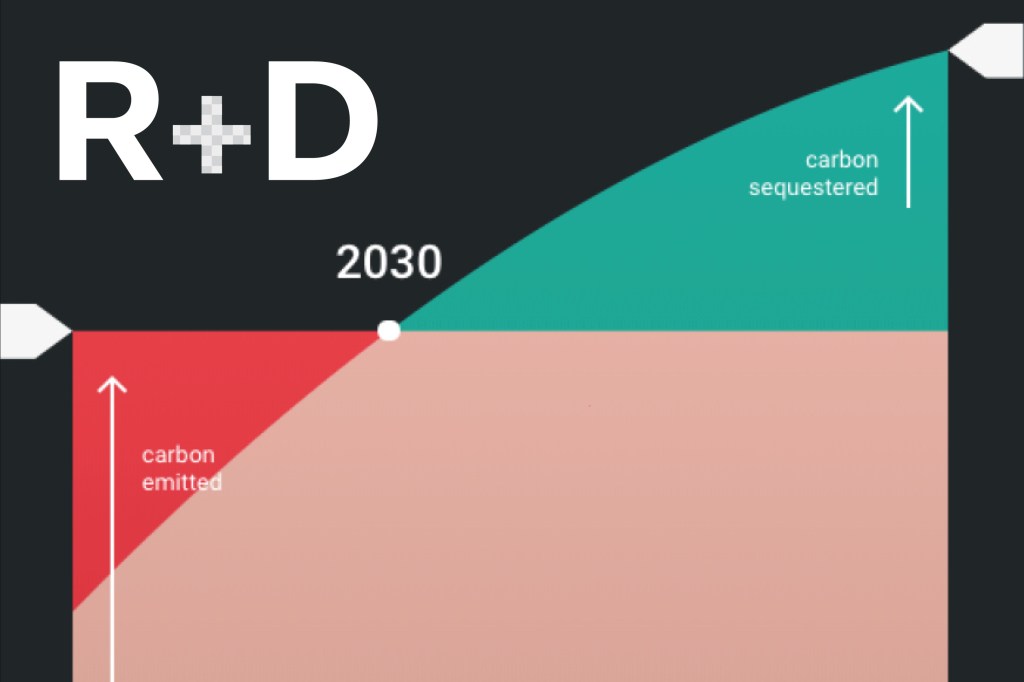
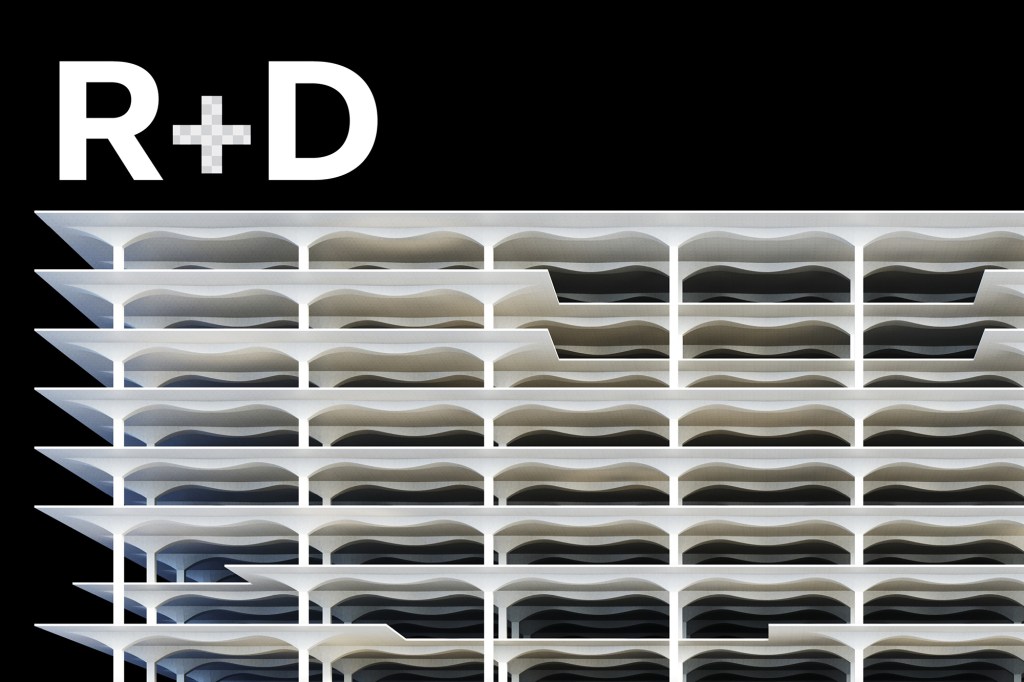
Award: Stereoform Slab’s Optimized Structure Reduces Embodied Concrete
Skidmore, Owings & Merrill developed an undulating "smart band beam" to support a concrete slab at half the thickness of a typical flat plate.
-
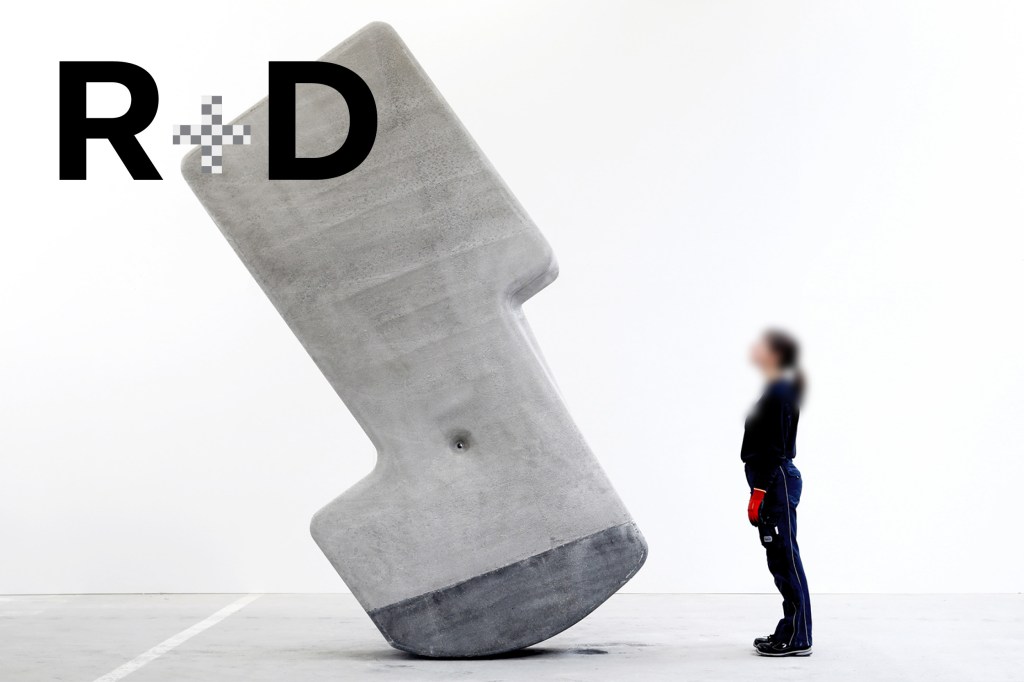
Award: Walking Assembly Is Poetry and Structure in Motion
Matter Design and cement producer CEMEX converted their shared fascination with "embedding intelligence into objects" into megalith units that are surprisingly maneuverable.
-
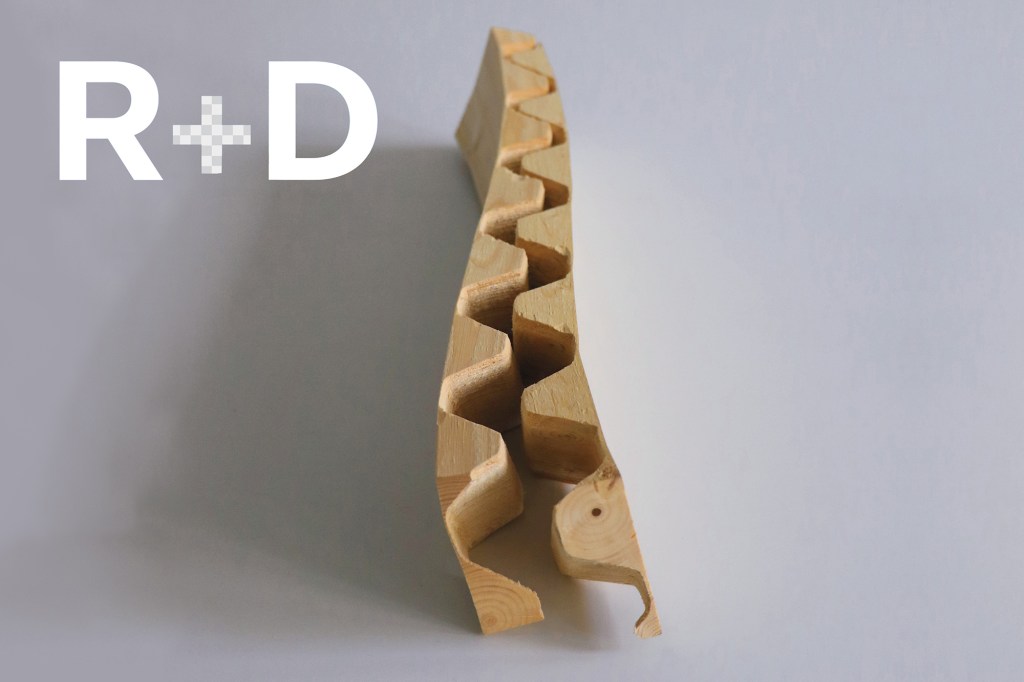
Award: Zippered Wood Twists the Standard 2×4 to Craft New Forms
Researchers at the University of British Columbia's HiLo Lab, University of Colorado, Denver's LoDo Lab, and HouMinn Practice push the potential of the ubiquitous wood member.