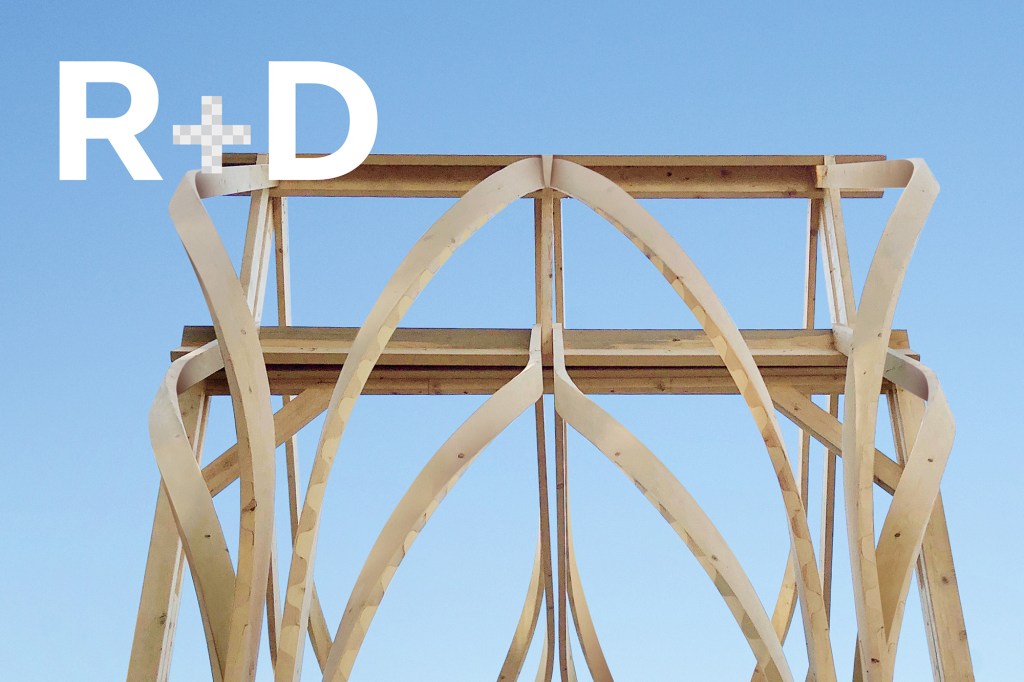
Images courtesy TBM Designs
Transitioning from neutral to active positions and back
Attempts to mitigate solar heat gain and glare through glass curtain walls often involve electrified systems such as automatic blinds, active fritting, or tinting controlled by sensors and software. However, Doris Sung, Assoc. AIA, co-founder of New York– and Los Angeles–based TBM Designs, associate professor at the University of Southern California, and principal of Do|Su Studio Architecture has an elegant, new solution that relies on nothing but the mechanical properties innate to its materials. InVert Self-Shading Windows is Sung’s latest exploration into thermobimetals, the subject of her two previous ARCHITECT R+D Award–winning projects: an active façade and a self-assembling structure.
This product is like a sunflower, mimicking nature. I loved that it uses thermobimetals and phase-change materials to make the action happen, which is super simple and super organic.
—Juror Steve McDowell, FAIA
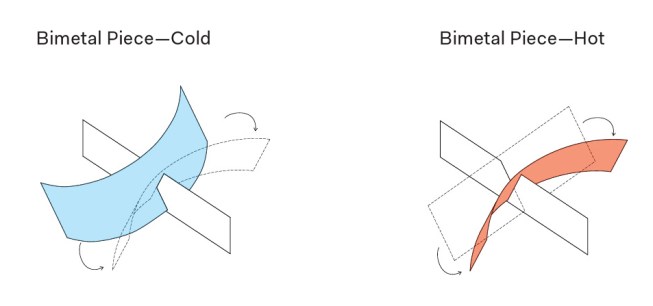
Thermobimetals consist of two different alloys laminated together. Because the two metals expand at different rates, the laminated sheet curls in different directions when heated or cooled, predictably and repeatedly, and with no degradation. Designed to be sealed within the cavity of an insulated glass unit, the InVert system consists of an array of bimetal pieces mounted on a stainless-steel network grid. When sunlight hits the window, the individual bimetal pieces warm and begin to curl, flipping into a new orientation that blocks the direct light.
After experimenting with 50-plus shapes and sizes for the pieces, Sung and her team settled upon a 0.0027-inch-thick notched ellipse that resembles a pair of butterfly wings. “The shape and size of the pieces are based on the performance of the material to curl and behave the way we want it to, and the performance of the system to block the right amount of sun,” Sung says. The angle of the V-shaped opening in which each piece sits controls the degree to which the piece can invert, allowing custom tuning for different climates and exposures.
courtesy TBM Designs
The thermobimetal pieces invert due to thermal expansion and contraction of the alloy composite.
courtesy TBM Designs
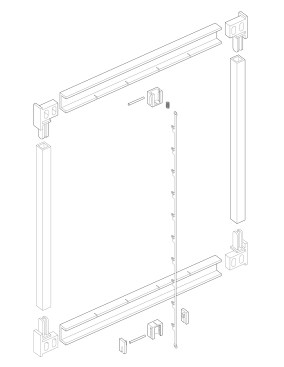
Hardware and installation process of the InVert Self-Shading System inside an insulated glass unit.

courtesy TBM Designs
A stainless-steel network grid determines the density and inverting range of the bimetal pieces.
TBM’s InVert system also preserves the color spectrum of incoming daylight, which researchers have linked to occupant wellness. It offers a visible light transmission level between 60% and 70%, and a solar heat gain coefficient of 0.37 when used with low-iron glass; use with coated glazing would bring the SHGC under 0.25.
Following a successful field test of two prototypes, Sung intends to manufacture the windows for the commercial market. The bimetal sheets, which were laser-cut for the prototype, will be die-stamped and shipped to a local IGU fabricator for new or retrofit curtain wall and storefront installations.
courtesy TBM Designs
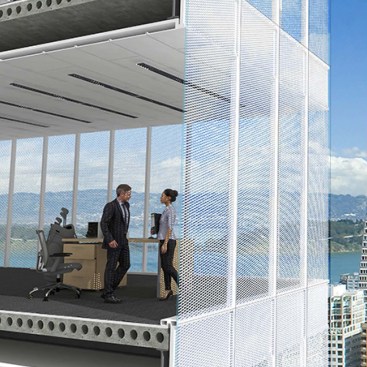
Rendering of full-scale installation
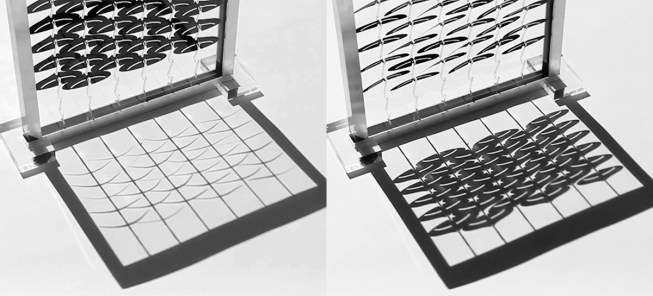
courtesy TBM Designs
Early studies to balance between solar heat gain reduction and visibility
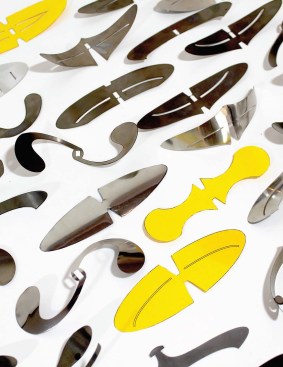
courtesy TBM Designs
Geometry optimization of the individual thermobimetal pieces
Project Credits
Project: InVert Self-Shading Windows
Company Name: TBM Designs, Los Angeles and Katonah, N.Y.
Architect/Designer/Inventor: Doris Sung, Assoc. AIA (DOSU Studio Architecture founder, University of Southern California associate professor, and TBM Designs co-founder)
Product Development Team: Justin Kang, Adelfrid Ramirez, Esther Ho, Stephanie Truong, Assoc. AIA, Lisa Phillips, Hung-Ming Chen, Rene Zarate, Thomas Gin, Belinda Pak, Assoc. AIA
Insulated Glass Unit Manufacturer: Triview Glass Industries (closed); Pulp Studio
Sales and Manufacturer: TBM Designs
-
14th Annual R+D Awards
From 90 submissions, the jury picked seven entries that are scalable, thought-provoking, and promising in achieving a more equitable and healthy built environment.
-
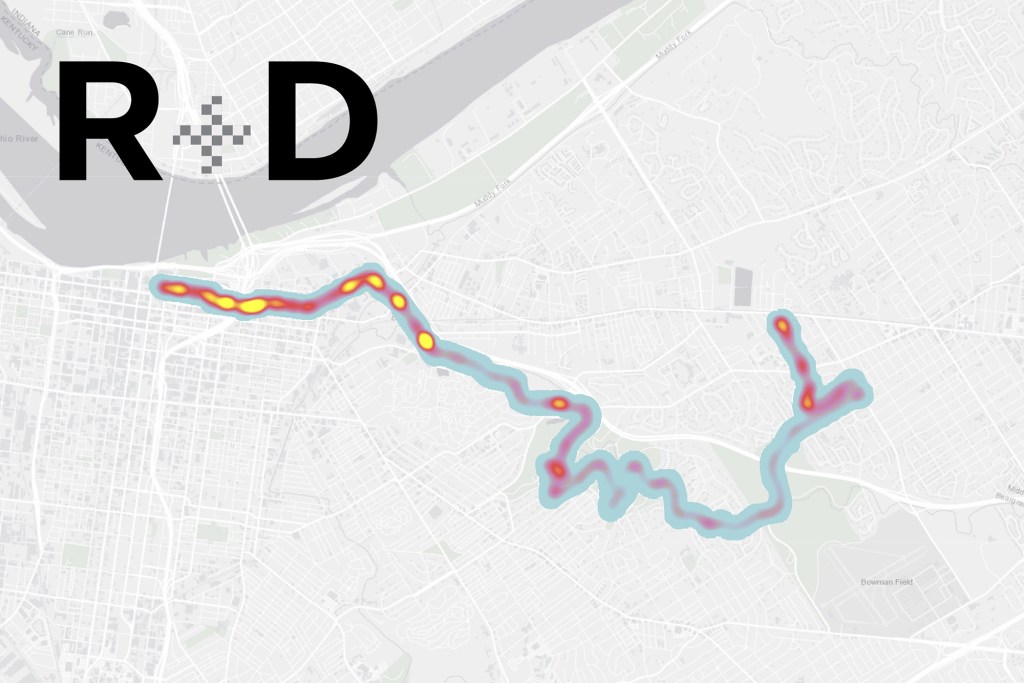
Award: ADUniverse, an App to Increase Housing Access
University of Washington associate professor Rick Mohler and the city of Seattle senior planner Nick Welch created a prototype app to help local homeowners increase housing density by building accessory dwelling units.

-
Award: Empathic Design Process Aims to Identify Successful Environments Through Data
A bike trip across the Netherlands inspired lead engineer Mike Sewell and Gresham Smith's Studio X Innovation Incubator to improve design by quantifying emotional response.
-
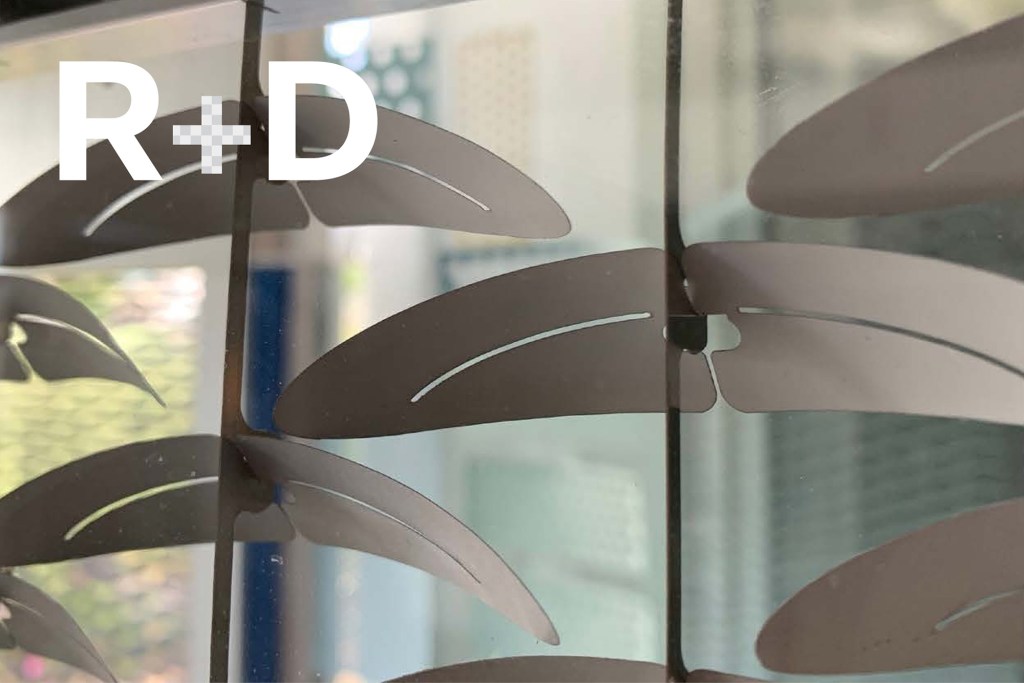
Award: InVert Self-Shading Windows Flip Energy Efficiency On Its Head
TBM Designs, co-founded by thermobimetal innovator Doris Sung, is tucking a self-powered, kinetic solution within insulated glass units to reduce solar heat gain and glare into buildings.
-
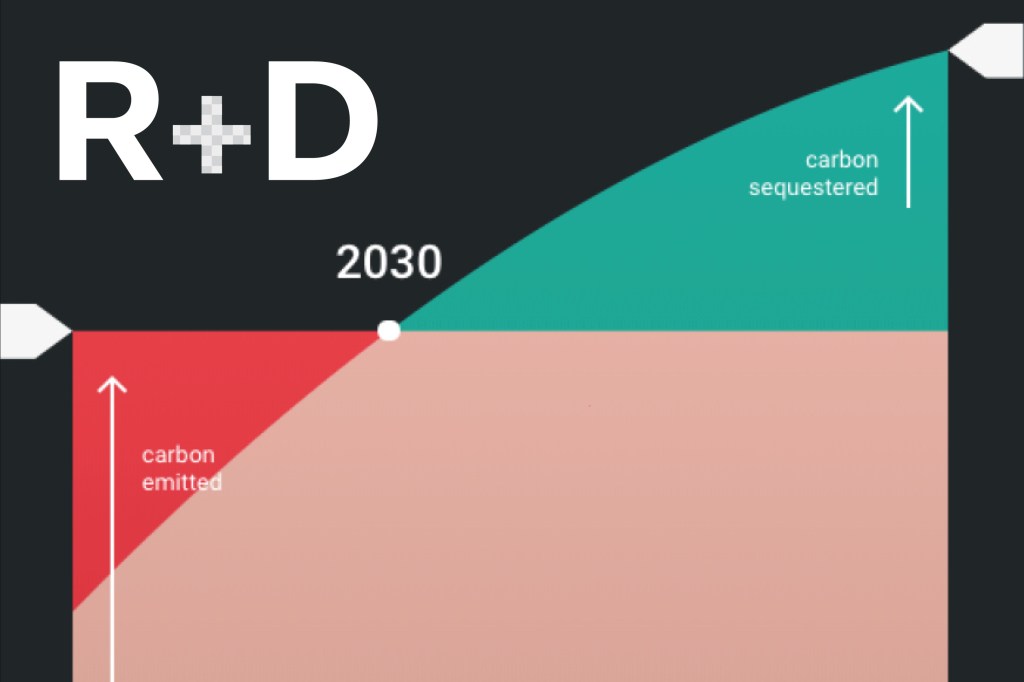
Award: Pathfinder, an App to Reduce Embodied Carbon in Landscape Design
Designed and developed by CMG Landscape Architecture, the mobile app enables designers to approximate the impact of their projects' materials and maintenance on carbon emissions.
-
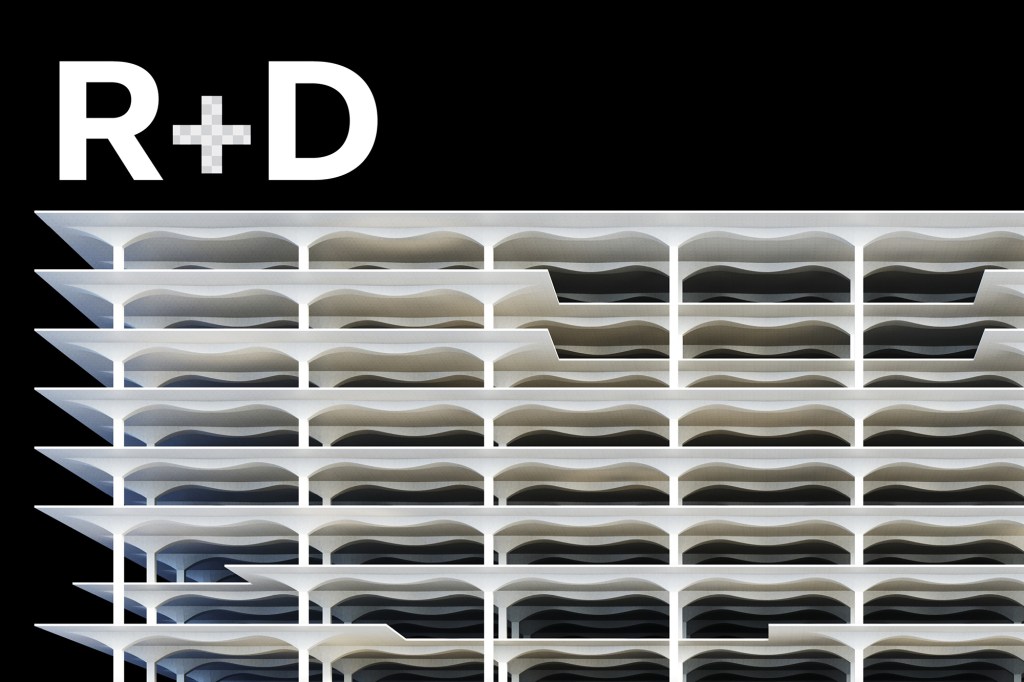
Award: Stereoform Slab’s Optimized Structure Reduces Embodied Concrete
Skidmore, Owings & Merrill developed an undulating "smart band beam" to support a concrete slab at half the thickness of a typical flat plate.
-
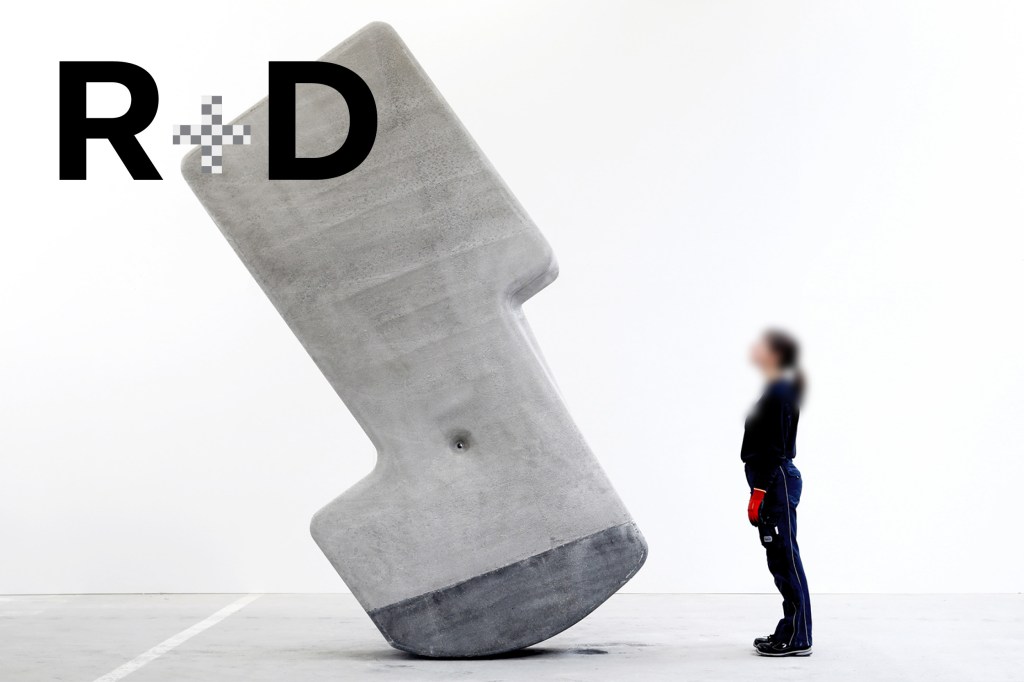
Award: Walking Assembly Is Poetry and Structure in Motion
Matter Design and cement producer CEMEX converted their shared fascination with "embedding intelligence into objects" into megalith units that are surprisingly maneuverable.
-
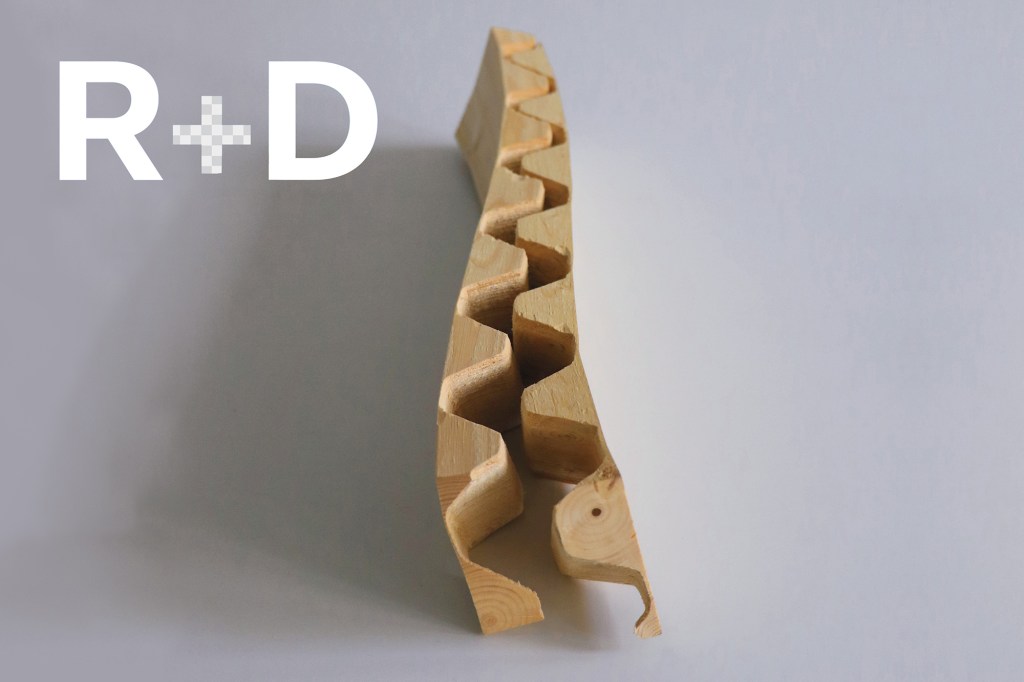
Award: Zippered Wood Twists the Standard 2×4 to Craft New Forms
Researchers at the University of British Columbia's HiLo Lab, University of Colorado, Denver's LoDo Lab, and HouMinn Practice push the potential of the ubiquitous wood member.