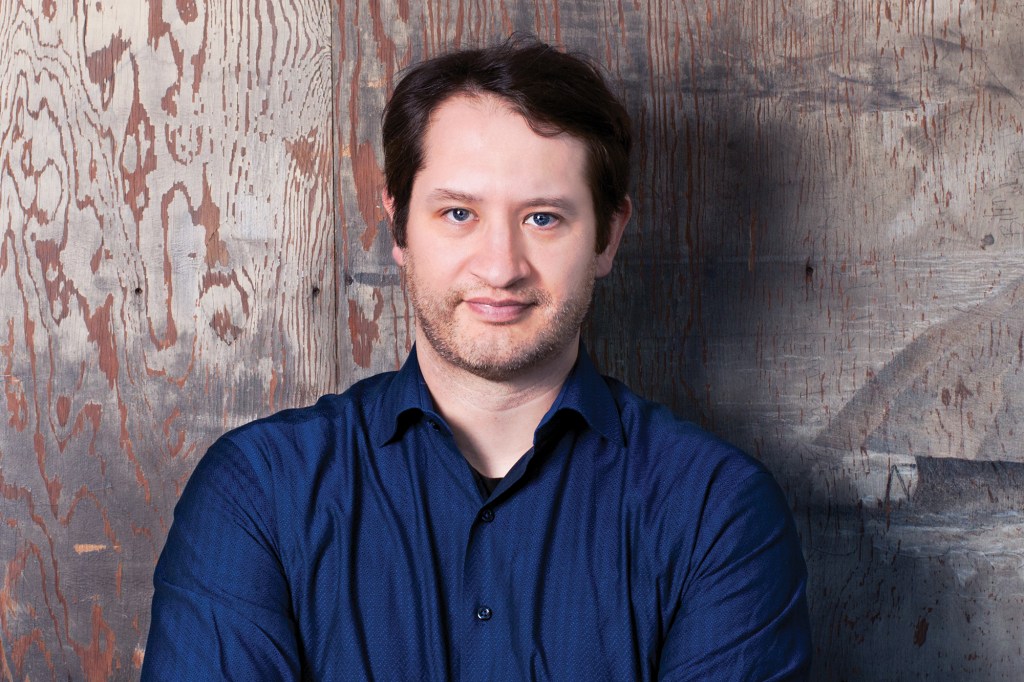
At MASS Design Group, Jeffrey Mansfield has worked on an impressive range of projects, including the Gallaudet University Sixth Street competition and a master plan for the Rwandan Institute of Conservation Agriculture. But it was a recent research project on hospital design, investigating how evolutions in medicine and healthcare practices have shaped how hospitals look and function, that particularly inspired him.
Mansfield was born profoundly deaf. He attended the Learning Center for the Deaf outside of Boston for his primary and secondary school education, always attuned to the meanings encoded in his physical and natural environments. As an undergraduate at Princeton in the mid-aughts, he took a seminar with Sarah Whiting, Assoc. AIA (now the dean of Rice University’s school of architecture), on the emergence of Chicago as a modern city, and began to think that his interest in the built environment could lead to a career as an architect.
In 2015, while researching hospital designs at MASS, Mansfield noticed similarities between hospitals and deaf schools, and he wanted to learn more about the institutional design typologies he saw. “I grew interested in exploring how the architecture of these schools reflected or contributed to evolving attitudes towards deafness in our society, and more generally towards what constitutes ‘normal,’ ” Mansfield says.
Last year, he won a grant from the Graham Foundation for his project, “The Architecture of Deafness: Two-Hundred Years of the Deaf School as an Architectural Type in the United States, 1817–2017,” which will culminate in an atlas and exhibition. “Jeff has challenged me to think about utilizing all of our senses to create spaces that shape behavior and advance a narrative of inclusivity, which we need now more than ever,” Michael Murphy, co-founder of MASS Design Group, says.
Mansfield is particularly interested in the tension between deaf schools as exclusive, stigmatizing spaces and as empowering, subversive spaces. “You might say that through architecture, I began to understand my own deafness in a broader cultural context,” Mansfield says “and started to see my own identity as a culturally deaf person as a form of cultural resistance.”
More Workers in Progress:
-
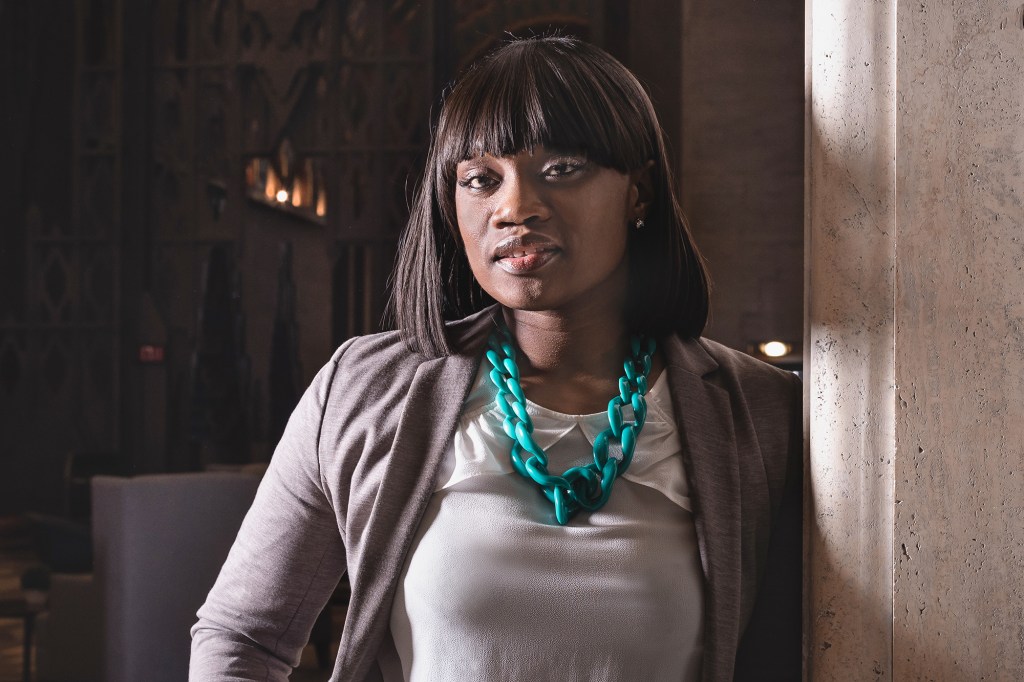
Bryan Lee Jr. and Sue Mobley, Colloqate Design
“The goal is to establish a system of memory that explores histories that haven’t been part of the main narrative.”
-
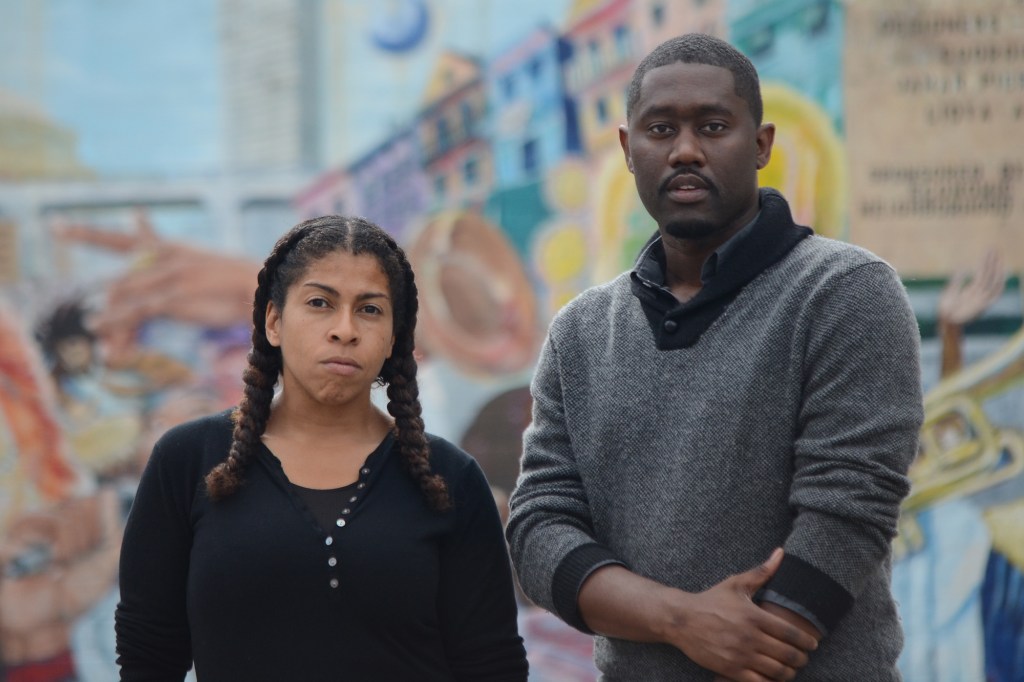
Liz Ogbu, Studio O
“In most of my projects, it’s the wrong problem outlined in the brief. You can only right-fit it by talking to people.”
-
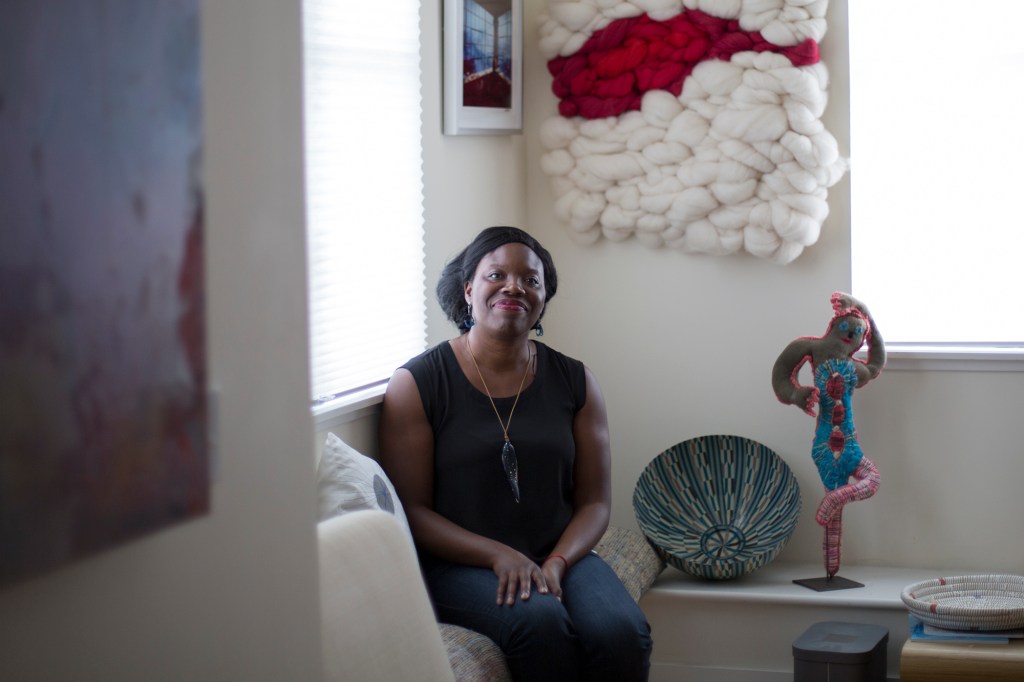
Julia Murphy, Skidmore, Owings & Merrill
“We are talking about cultural change and the pace of that is often quite slow. There are certain conversations that we have to revisit often in order to keep goals in sight."

-
Jeffrey Mansfield, MASS Design Group
“You might say that through architecture, I began to understand my own deafness in a broader cultural context, and started to see my own identity as a culturally deaf person as a form of cultural resistance.”
-
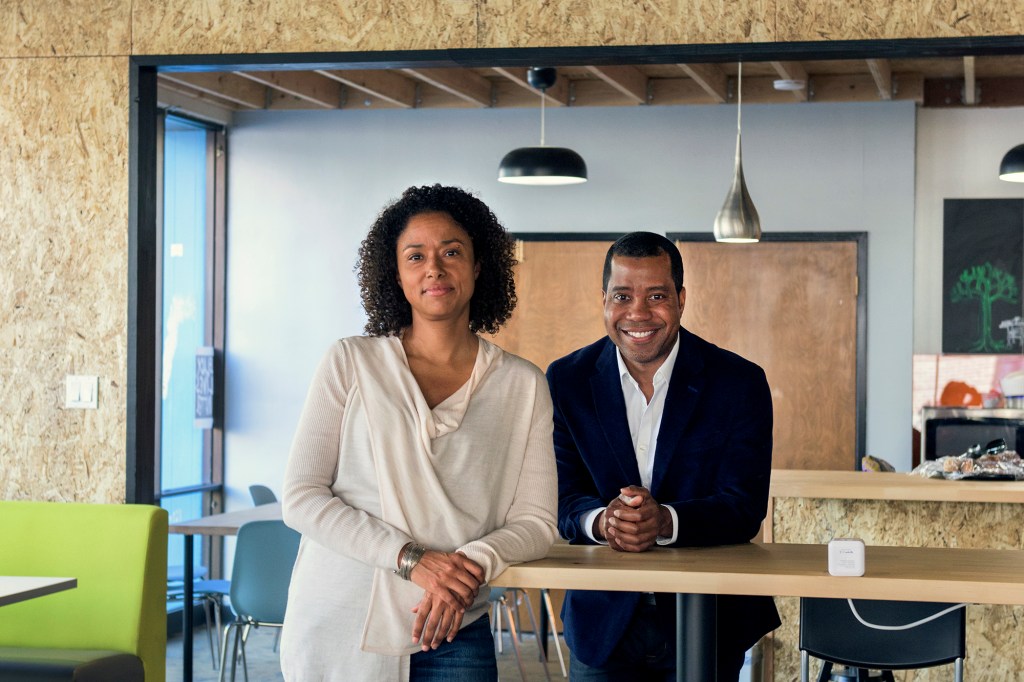
Deanna Van Buren and Kyle Rawlins, Designing Justice + Designing Spaces
“Their work challenges the racism of mass incarceration head-on.”
-
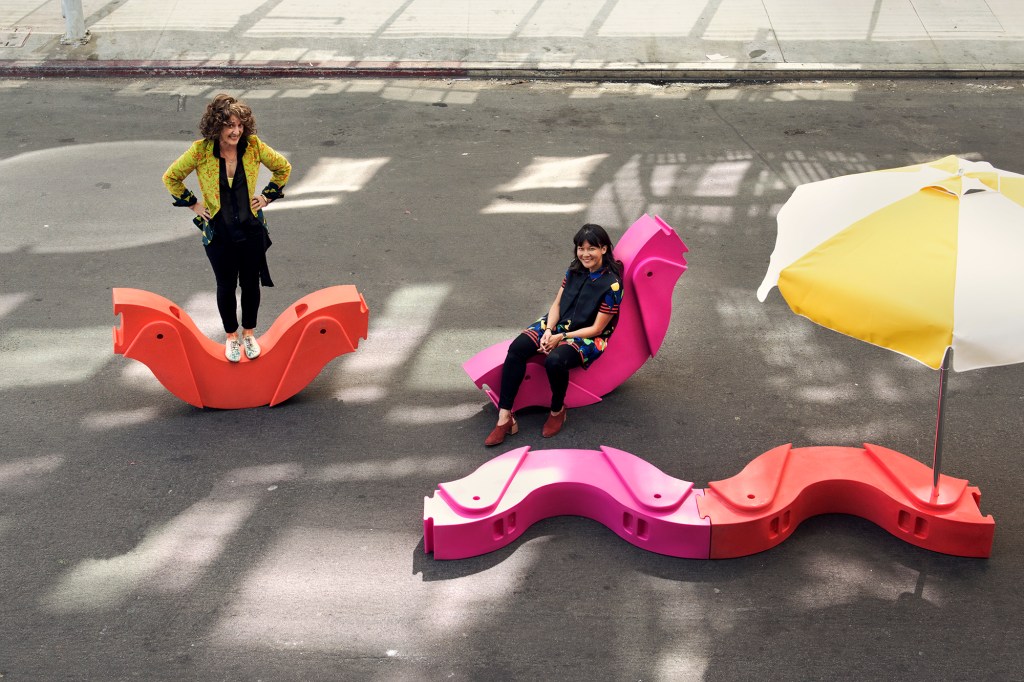
Chelina Odbert and Jennifer Toy, Kounkuey Design Initiative
“As much as we love design and love its power, design alone is not enough.”
-
Tiffany Brown, Urban Arts Collective
“I want to give everything I have learned to girls who are walking my path. I want to make sure they know it’s up to them to advocate for our communities.”