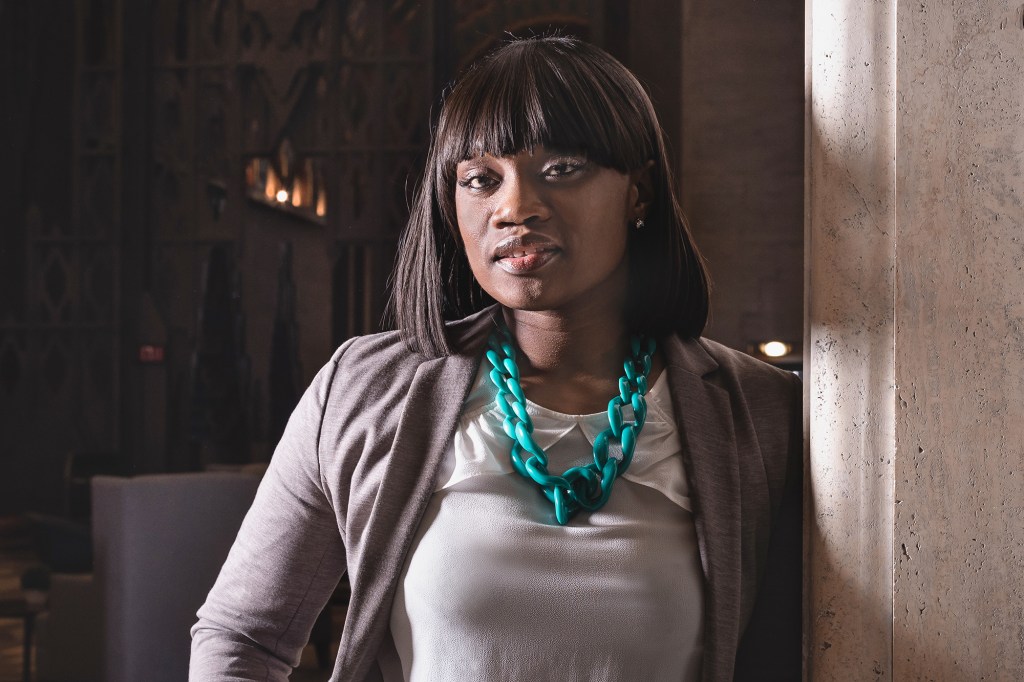
When Chelina Odbert, co-founder and executive director of the Kounkuey Design Initiative (KDI), visited the eastern Coachella Valley in Southern California in 2010, she immediately recognized residents’ lack of basic amenities. It reminded her of Kibera, the largest informal settlement in Nairobi, Kenya, where KDI had just been working. “I thought it was being exaggerated,” Odbert says, of living conditions in the valley. She was shocked to see moms wrapping their kids’ shoes and pants in plastic bags so they wouldn’t arrive at school covered in mud (and be teased by classmates) after trudging through mucky, unpaved roads, just as moms did in Kibera.
Odbert had founded KDI with Jennifer Toy a few years earlier, when they were students at the Harvard Graduate School of Design. (Odbert studied city planning and Toy landscape architecture.) Interested in public amenities and infrastructure in underserved communities, they had traveled to Kibera for a summer research project and vowed to return to build a public plaza they had discussed with residents. “Most people in Kibera were used to being asked questions and to nothing else happening beyond that,” Odbert says.
After graduation, Odbert and Toy participated in a social incubator course at Harvard Kennedy School, which helped them find funders for KDI. They ran the practice on the side while working at established firms, and they did eventually return to Kibera, where they worked with residents to build a bridge and shade pavilion over land that frequently flooded. In 2010, when she visited the eastern Coachella Valley, Odbert decided to run KDI full-time; in 2014, Toy followed suit. The firm has been roughly doubling in size every year since. It now employs 40 staff evenly between California and Kenya, where the majority of employees are Kenyan.
KDI’s participatory design philosophy means that very little is fixed when it begins a project, not even the site. It works closely with residents to determine what they need and where a new playground or plaza or park should go. Today, KDI is overseeing seven active projects in the eastern Coachella Valley, including a 5-acre park on the North Shore, and has begun to work on transportation plans, environmental justice, and policy initiatives, including helping low-income communities gain access to funds that the state legislature is earmarking for public space. “As much as we love design and love its power, design alone is not enough,” Odbert says. “We were very lucky to learn that really early on.”
Other Workers in Progress:
-
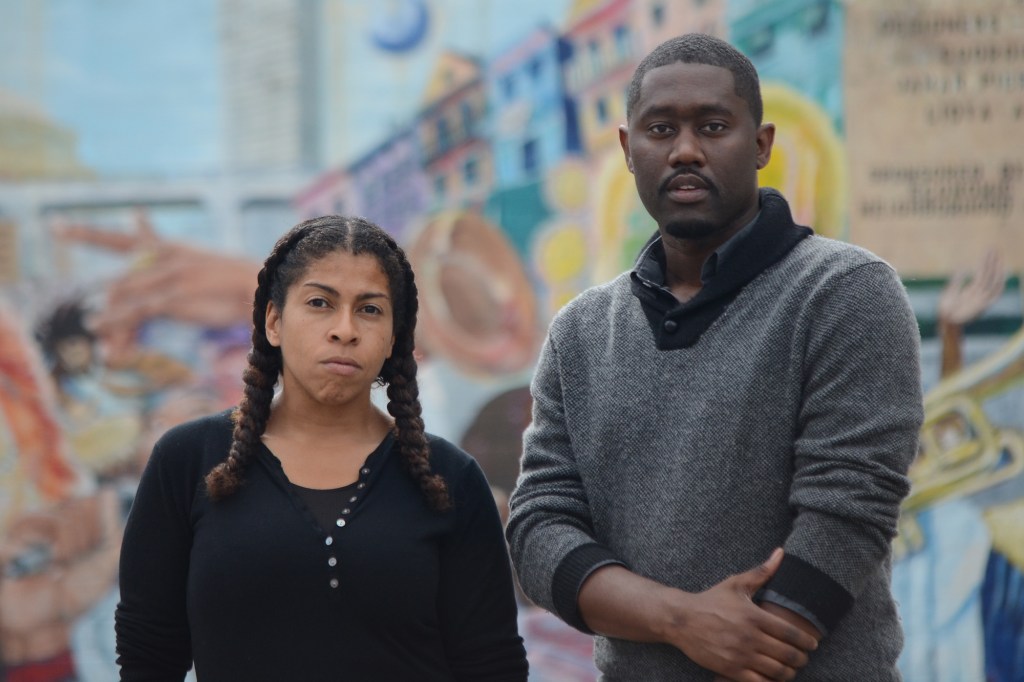
Bryan Lee Jr. and Sue Mobley, Colloqate Design
“The goal is to establish a system of memory that explores histories that haven’t been part of the main narrative.”
-
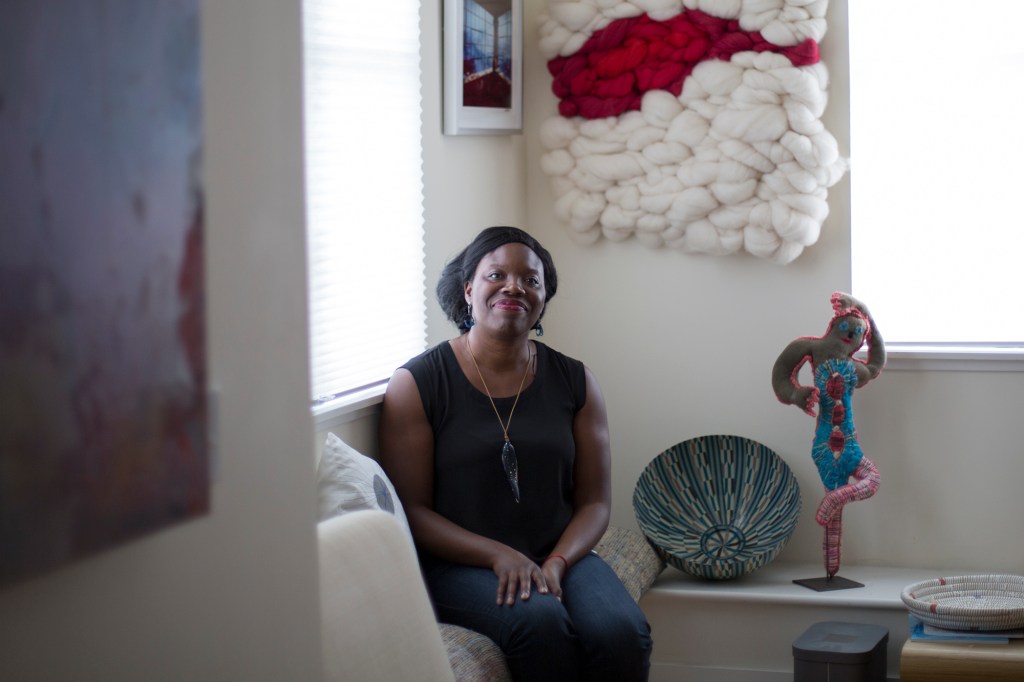
Liz Ogbu, Studio O
“In most of my projects, it’s the wrong problem outlined in the brief. You can only right-fit it by talking to people.”
-
Julia Murphy, Skidmore, Owings & Merrill
“We are talking about cultural change and the pace of that is often quite slow. There are certain conversations that we have to revisit often in order to keep goals in sight."

-
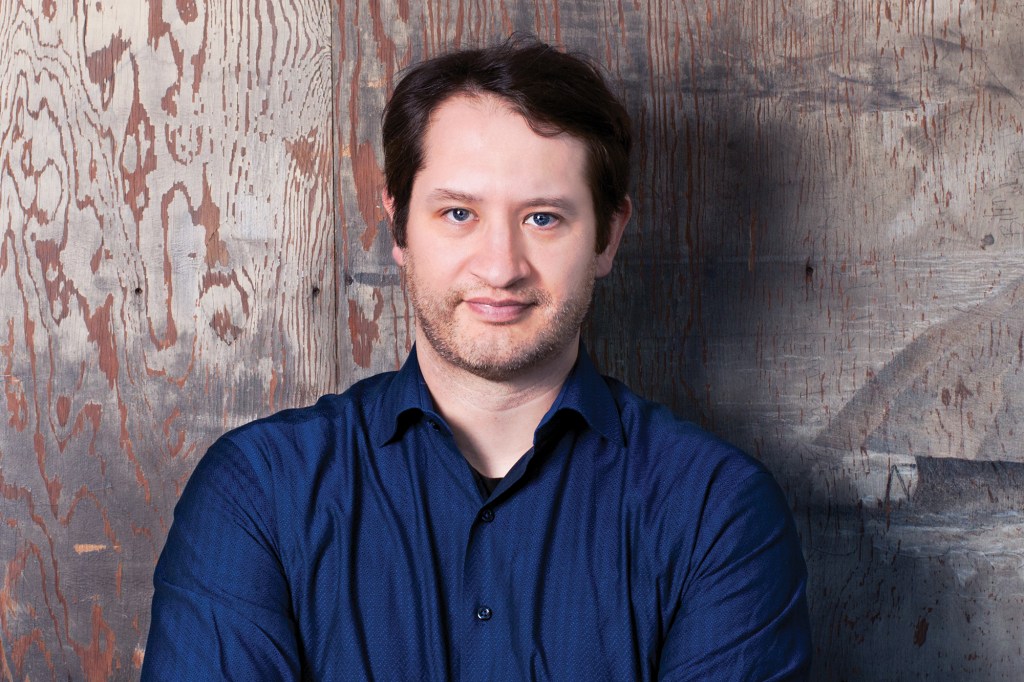
Jeffrey Mansfield, MASS Design Group
“You might say that through architecture, I began to understand my own deafness in a broader cultural context, and started to see my own identity as a culturally deaf person as a form of cultural resistance.”
-
Deanna Van Buren and Kyle Rawlins, Designing Justice + Designing Spaces
“Their work challenges the racism of mass incarceration head-on.”
-
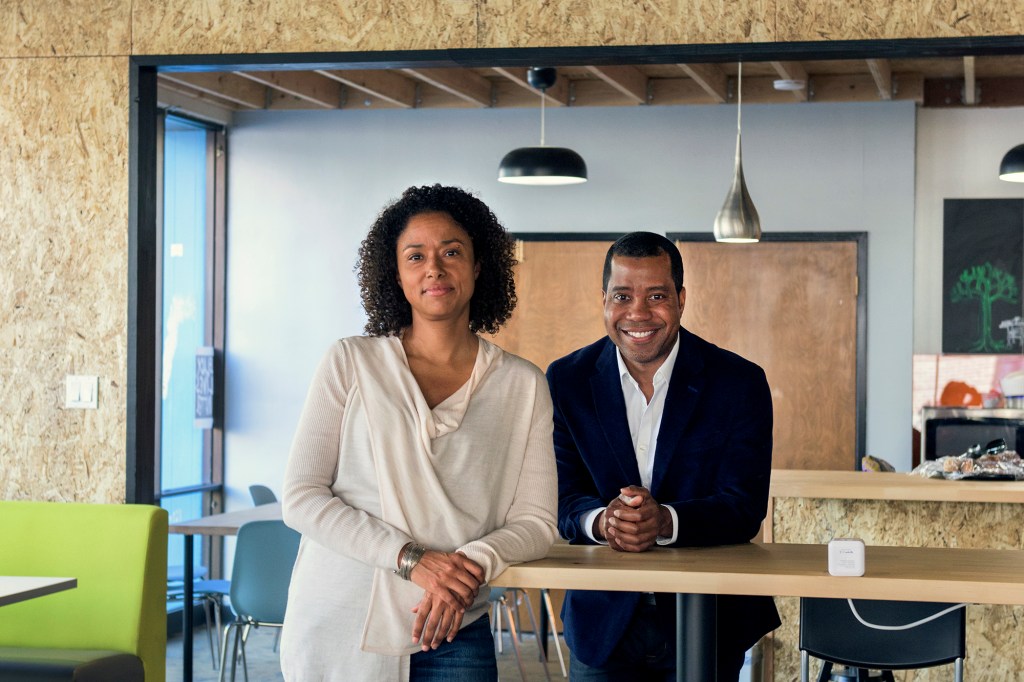
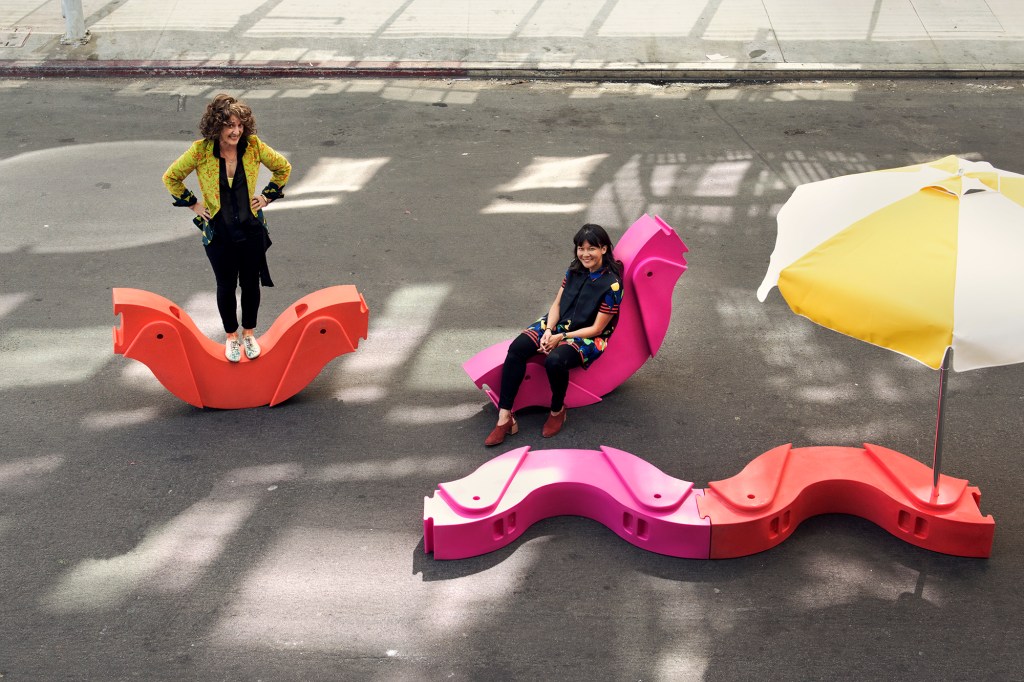
Chelina Odbert and Jennifer Toy, Kounkuey Design Initiative
“As much as we love design and love its power, design alone is not enough.”
-
Tiffany Brown, Urban Arts Collective
“I want to give everything I have learned to girls who are walking my path. I want to make sure they know it’s up to them to advocate for our communities.”