















Ian Allen
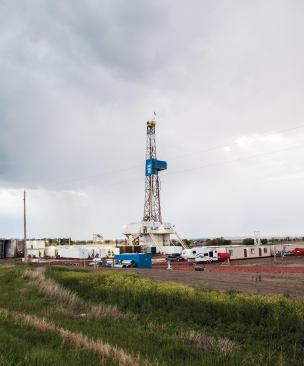
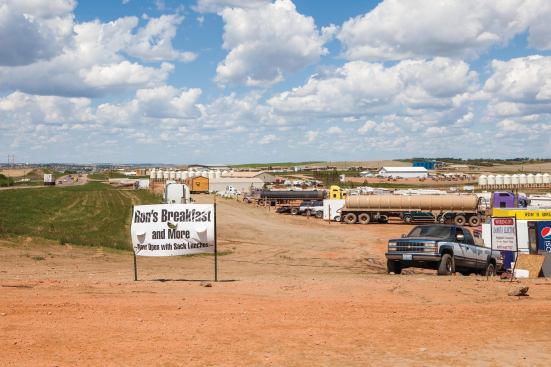
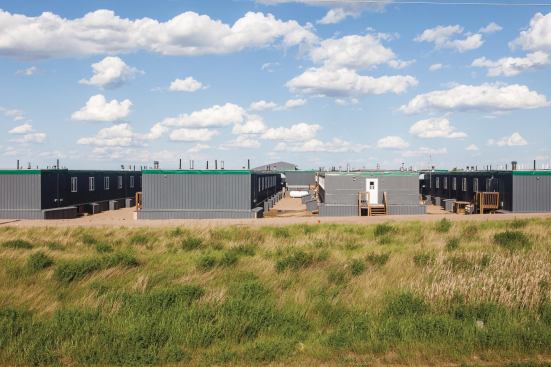
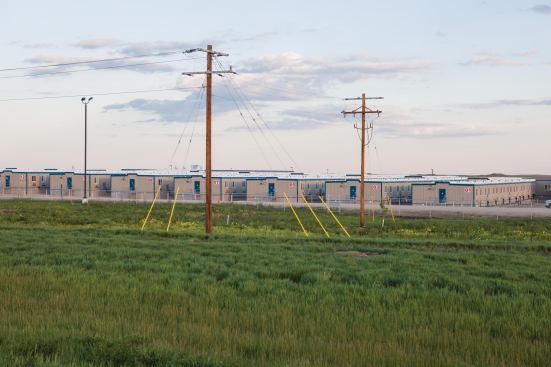
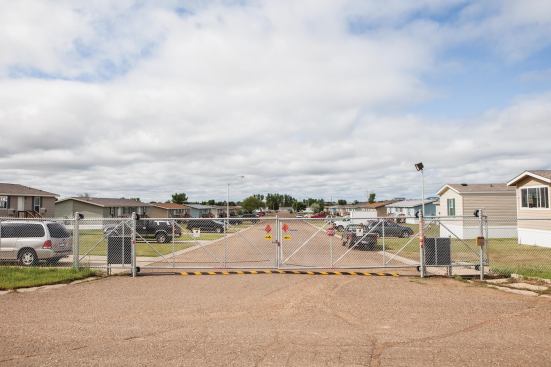
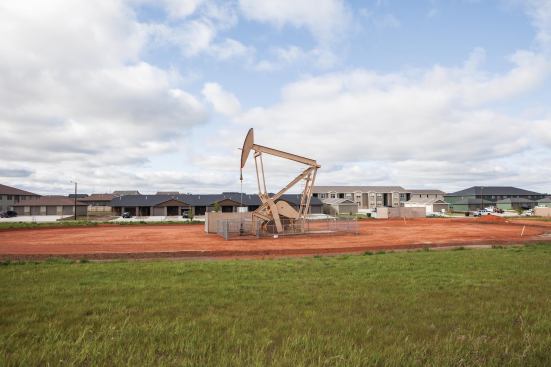
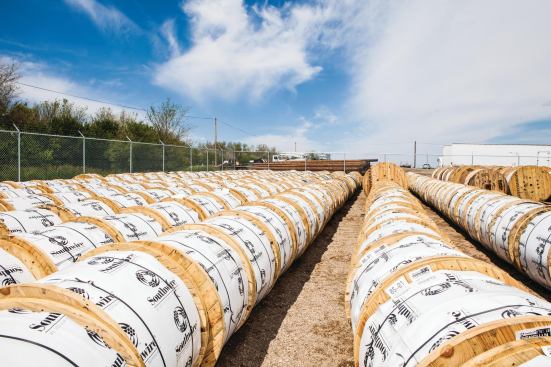
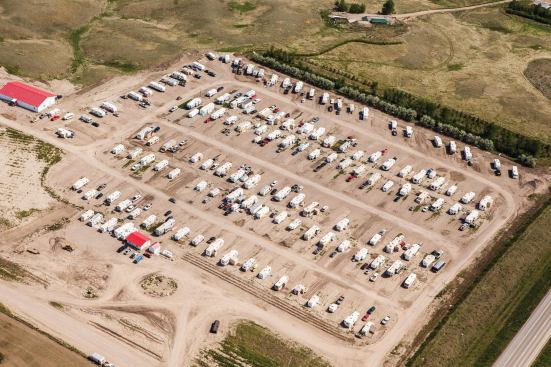
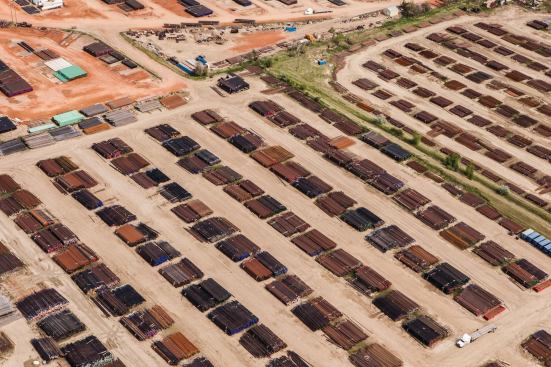
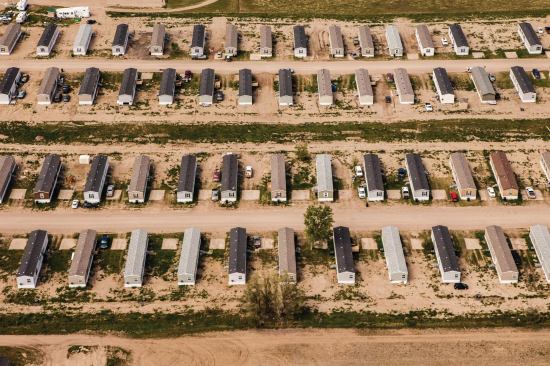
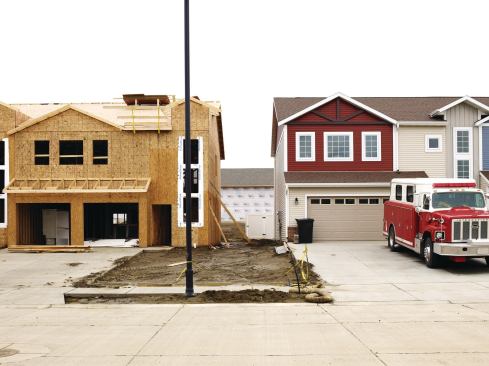
Yet there is a glimmering sense of impermanence to it all. The oil companies have thrown up buildings of every kind, but nothing that makes you stop and linger. Almost everything looks as if it was done yesterday and could come down tomorrow. In June, a “Bakken Housing Summit” in Williston attracted 370 industry representatives from 33 states. While some spoke of the need to build sustainable communities, several seemed focused on seizing what Michael Milner, a Salt Lake City developer at the conference, called the biggest economic opportunity for builders in 50 to 100 years.
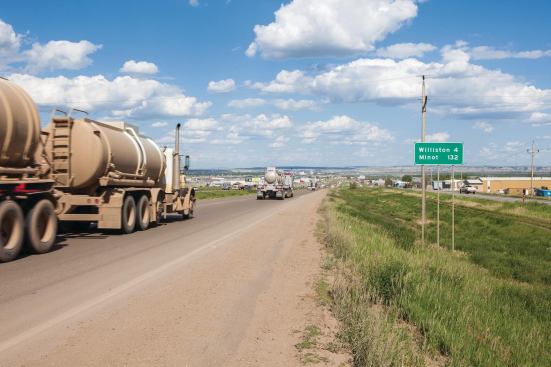
Williston recently worked with Minneapolis-based SRF Consulting Group to complete a master plan for growth, which is already outdated. “Although we spent a million dollars on planning, it’s not enough,” Koeser says ruefully. The city is focused on encouraging permanent housing and has added three people to its building department to speed the process. Koeser’s biggest concern is simply the number of new people flooding in. “If you’re a town of 20,000, you just can’t add 5,000 year after year,” he says. “You don’t have the water, the houses, the infrastructure. You just can’t grow that fast.”
Listening to him, I thought that no one really manages a boom like this one; you hang on and hope not to be swept away. In essence, that seems to be Williston’s approach—make it through and go from there. “If you stay busy enough long enough, you transition from gold rush to permanent industry,” Koeser says. “Right now, we’re going through a lot of stress and strain, but three years from now, we’re going to be a better community than we are today.”
Neglected Downtowns
Hulsing & Associates have been very busy in both Dickinson and Williston, but Prchal says that none of their business has come from the oil companies or the major hotel chains. Youngs just recently got his first inquiry from a firm connected to the oil business.
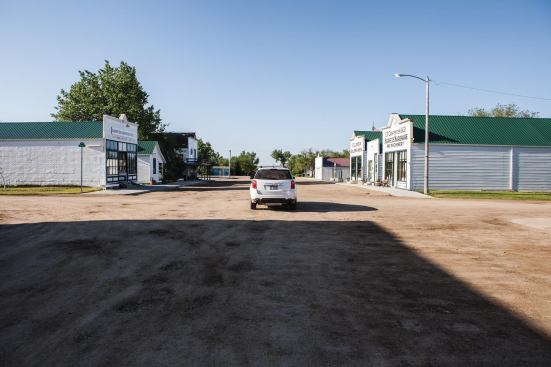
Both cities have old-fashioned middle-American downtowns with buildings dating to the early 20th century—assets that have been largely ignored. Dickinson’s downtown retains more of its original character (including a 1908 Neoclassical Carnegie Library that was beautifully restored and expanded with a well-integrated addition by Prchal’s firm).