









Ian Allen
Before the boom, the city built a striking new community-recreation center—designed by Denver-based Ohlson Lavoie Collaborative—which features a series of sharply angled forms intended to reflect the surrounding landscape of buttes and plateaus. Johnson believes that the center helped entice companies to base their operations in town. “Marathon Oil is locating its offices here. Lufkin [an oil-well-equipment company] is locating here,” he says. “Why does it matter? Well, Lufkin will be here forever.”
Asked what he hopes the legacy of the boom will be, Johnson says, “I would hope that we would make the investments in infrastructure that 30, 40 years from now, people would look back and say, whoever was in charge then did a good job.”
I hope so, too. But North Dakota has a character deeply rooted in practicality and parsimony. (It’s not, shall we say, a state of big tippers. I once left a couple dollars on a table at a small-town café and the waitress followed me out the door to tell me I had forgotten my change.) The state currently has a budget surplus of $1 billion, and sees no particular reason why it should spend it on much of anything, including more aid that would help the oil patch better manage the new development.
I wanted to believe that the plans by Johnson, Kalil, and Koeser would prevail. Still, I was living in North Dakota when the previous boom struck. Everyone was sure that a new age of prosperity had dawned, until the price of oil tumbled and the oil companies slipped away as quickly as they had come. Most everyone seems to believe that it will be different this time, and there are reasons why they might be right: these oil fields are bigger; the global economy has changed.
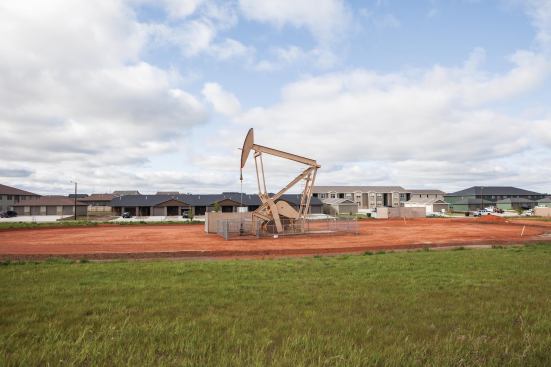
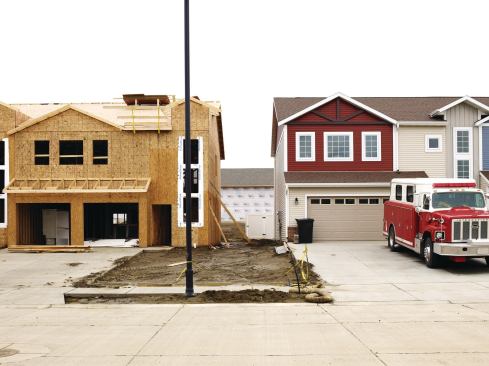
Yet there will come a day when there are no more wells to dig. Both Williston and Dickinson will be bigger and probably more prosperous than they were, but it’s hard to imagine that they will still need the number of hotels now being built; it’s hard to imagine that the modest, quickly tossed-up houses now filling square miles of old farmland will satisfy families looking for a home they want to grow old in.
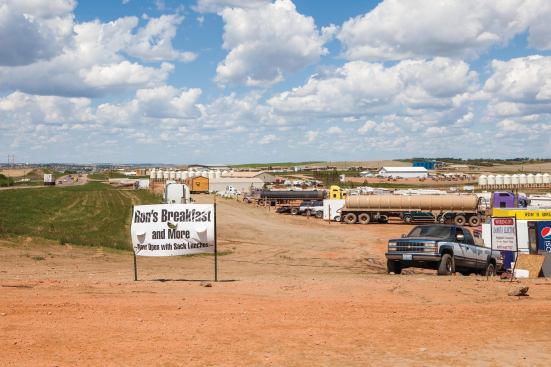
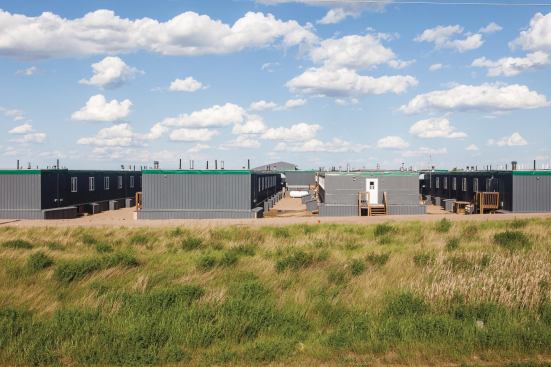
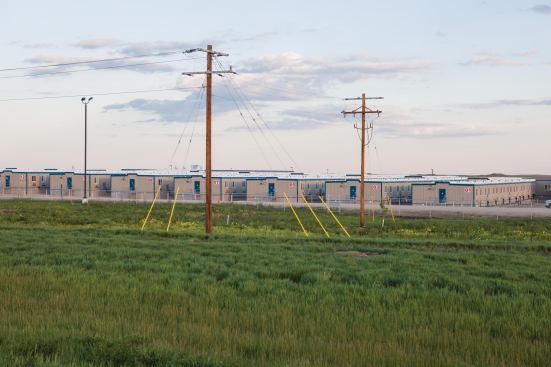
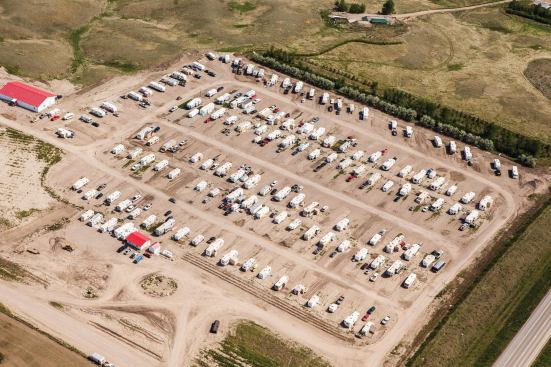
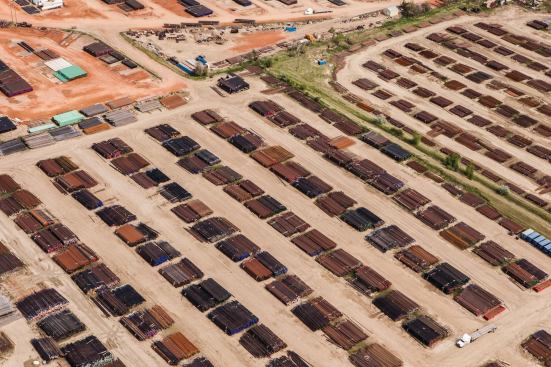
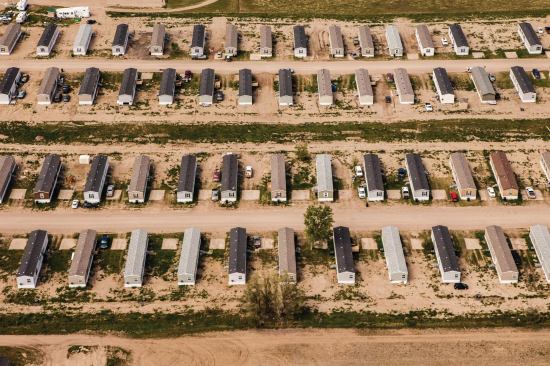
It’s easier to imagine tumbleweed blowing through the deserted remains of some of the new development. The man camps are modular and can be hauled away, but not all of the warehouses and other buildings will be so easily removed. They’ll have served their purpose—plenty of money will have been made—and walking away will likely be easy.
North Dakota has a history of boom and busts, the result of an economy overly dependent on agriculture and mineral extraction. This history has helped fashion a state character in which determination and fatalism have long coexisted uneasily, an old struggle I saw being played out again as I visited. Will it really be different this time? I wanted to believe so, but I’m not sure. I’m still a North Dakotan, after all.