“This project tackles the larger issue of architecture not just being a spatial experience, but also a healing experience, and that’s so important in the context of today.” —Juror Tom Chung, AIA
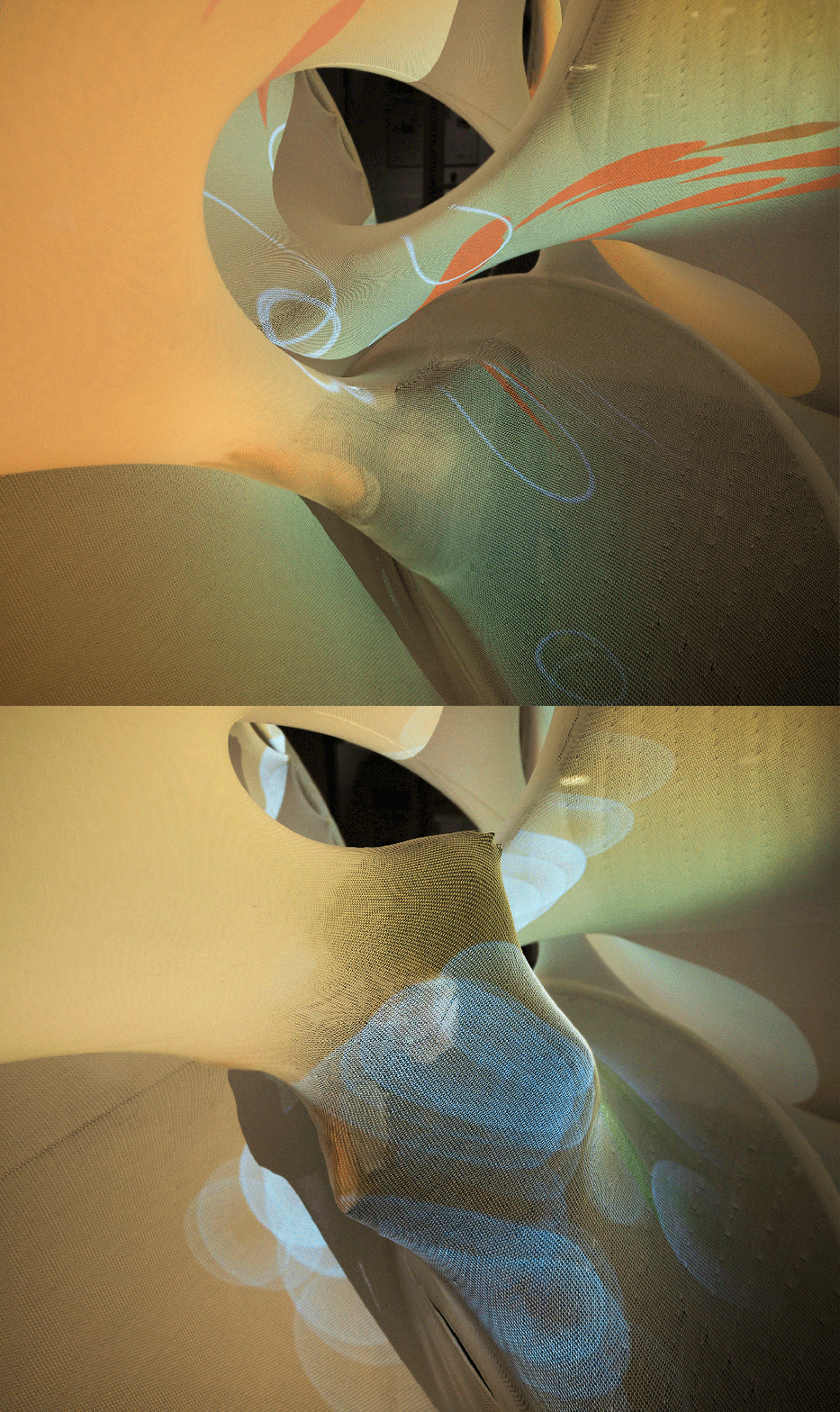
The first time Sean Ahlquist’s 8-year-old daughter saw one of his 3D knitted fabric tubes, “she did a nose dive right through it,” recalls the assistant professor of architecture at the University of Michigan. Made from elastic yarn and doused in colorful light projections, the inviting, tactile, and pliable environment helped his daughter, who is autistic and nonverbal, overcome her sensory-based anxieties. “She could discover the ways that she wanted to engage with it,” unlike with conventional playground equipment, he says.
Ahlquist has long explored both the interplay and distinction between textiles and structures using an industrial CNC-knitting machine. “As soon as I created architecture out of fabric, it became an object,” he says. But, in the process of its creation, the resulting object would lose the tactile appeal that, say, a sweater or a blanket may possess.
Sean Ahlquist/University of Michigan
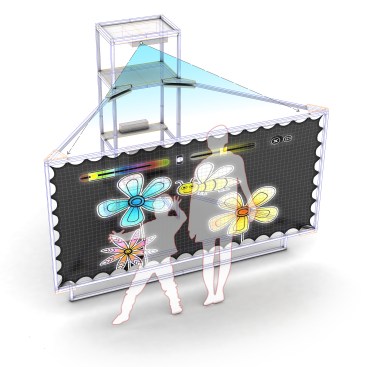
2D SensoryPlayscape prototype
Sean Ahlquist/University of Michigan
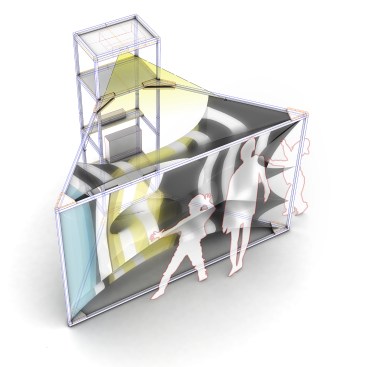
2.5D microenvironment prototype
Sean Ahlquist/University of Michigan
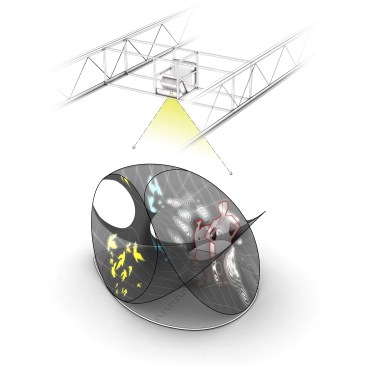
3D sensory-responsive prototype
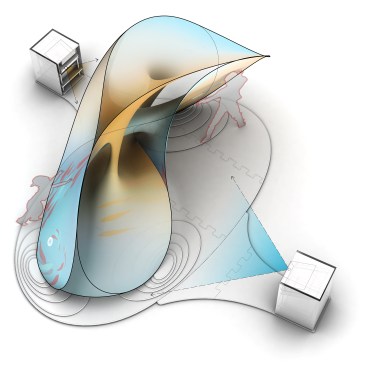
Sean Ahlquist/University of Michigan
SensoryPlayscape with multiple interfaces
That led Ahlquist to think about his daughter, who uses her hands and eyes to interact with the world. With 3D knitting, he realized he could create complicated play environments, such as seamless tubes, concavities, and open expanses onto which he could project lights and images. Though he has some research for reference, Ahlquist designs the undulating, funicular forms intuitively, guided by a sense of what will satisfy “the diversity of multisensory experiences that the audience of children with autism commands,” he says.
In spring 2015, Ahlquist demonstrated his first 7-cubic-foot structure in a school for special needs students in Ann Arbor, Mich. So far, the children, including his daughter, love to play with it. The next step, he says, is to engage researchers to assess and measure its actual impact on the students.
Whatever the results, Ahlquist says he has surpassed his goal of blurring the line between fabric and architecture: “It’s about connecting two worlds, two realms of expertise.”
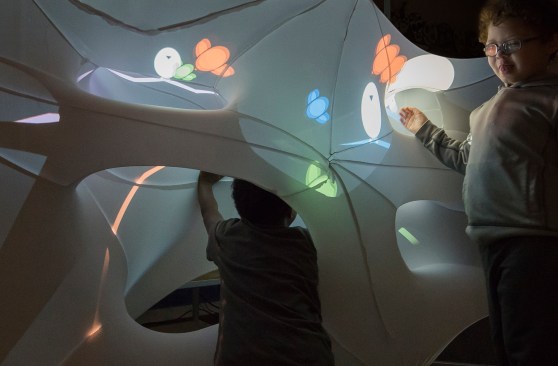
Sean Ahlquist/University of Michigan
2.5D SensoryPlayscape: Children applying tactile input to manipulate the graphical interface

Sean Ahlquist/University of Michigan
2.5D SensoryPlayscape: A child interested in the Playscape's tactile input
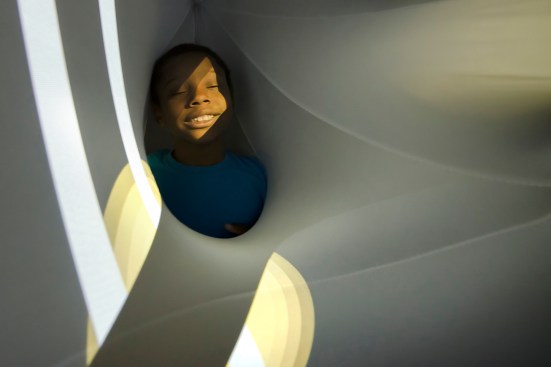
Sean Ahlquist/University of Michigan
2.5D SensoryPlayscape created micro-environments to provide children a diverse range of sensory experiences within a small footprint

Sean Ahlquist/University of Michigan
The CNC-knitted textile was developed through the design of elasticated yarn structures and variation of stitch patterns to produce a differentiated tactility across a range of scales to activate a broader sense of tactile engagement, from fingertip to sensory receptors in one's muscles and joints
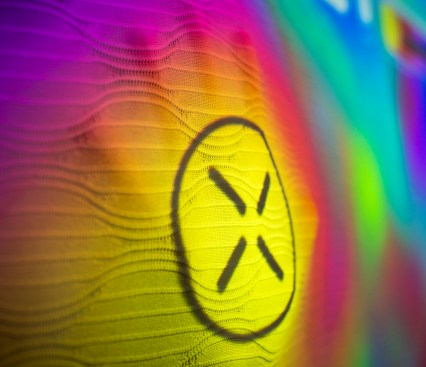
Sean Ahlquist/University of Michigan
Colors projected onto the textile interface are manipulated by the degree of pressure asserted to SensoryPlayscape's stretchable surface
Project Credits
Project: Social Sensory Architectures
Designer: University of Michigan Taubman College of Architecture and Urban Planning, Ann Arbor, Mich. . Sean Ahlquist (assistant professor)
Project Team: University of Michigan Medicine Department of Psychiatry . Costanza Colombi; University of Michigan School of Kinesiology. Leah Ketcheson; University of Michigan Taubman College . Oliver Popadich
Research Assistants: Shahida Sharmin, Jordan Turkomani; Roujia Bai, Sommer Cade, Yichen “Janet” Dong, Grace Earl, Teruaki “Aki” Hara, James Hartman, Chang Liu, Giovanni Martinez, Mariana Moreira de Carvalho, John Spellman, Peyton Steurer, Mingyang Xia, Yiwen Yan (architecture students); Erika Goodman, Erin Almony (kinesiology students)
Fabricator: Sean Ahlquist
Yarn Supplier: McMichael Mills
Glass Fiber Reinforced Polymer Material Supplier: Goodwinds
Funding: University of Michigan Taubman College, University of Michigan MCubed Third Century Initiative, Michigan Economic Development Corp., Stoll
Special Thanks: Spectrum Therapy Center . Mary Burke, Tabitha Wisecup; Thinkery . Robin Gose; Str.ucture . Julian Lienhard
Size: 25 to 150 square feet
-
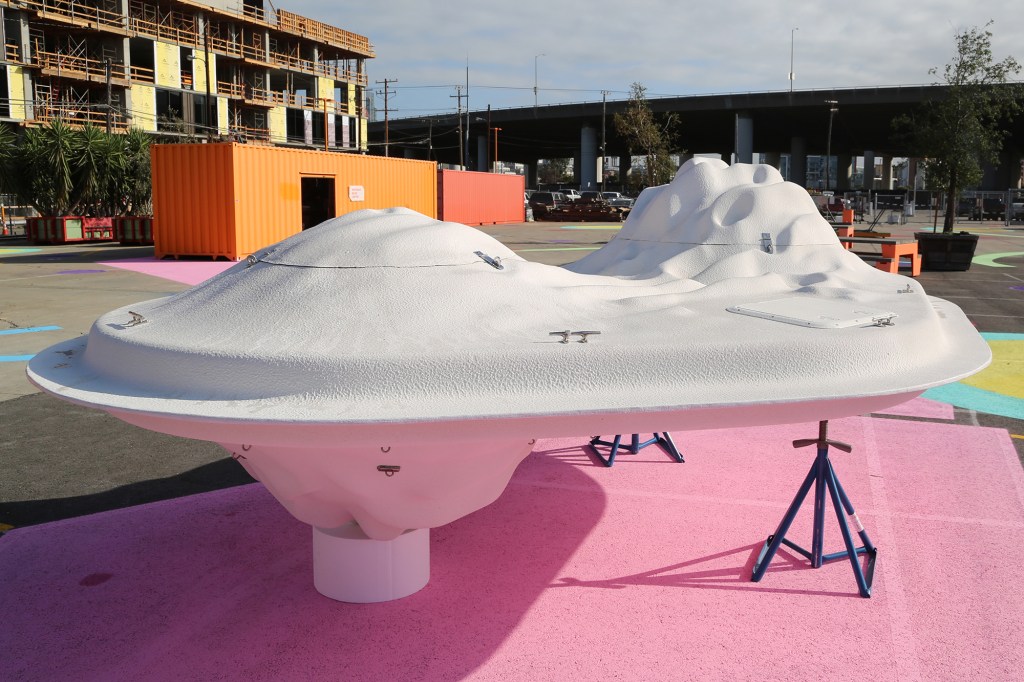
Citation: Buoyant Ecologies Float Lab Aims to Save Communities Above and Below Water
To preserve and promote indigenous marine life, the Architectural Ecologies Lab at the California College of the Arts turned to the phenomenon of biofouling.
-
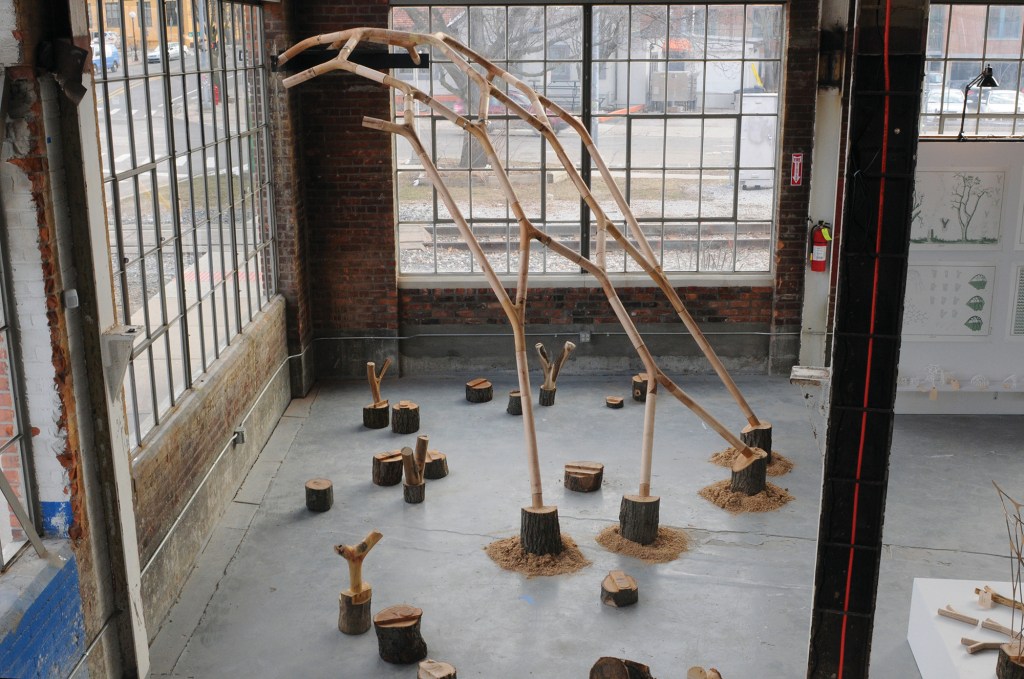
Citation: Limb, a Fantastical Take on Timber Construction
University of Michigan faculty members Steven Mankouche, Peter von Bülow, and Kasey Vliet leverage the inherent strength of tree crotches to create 3D structures.
-
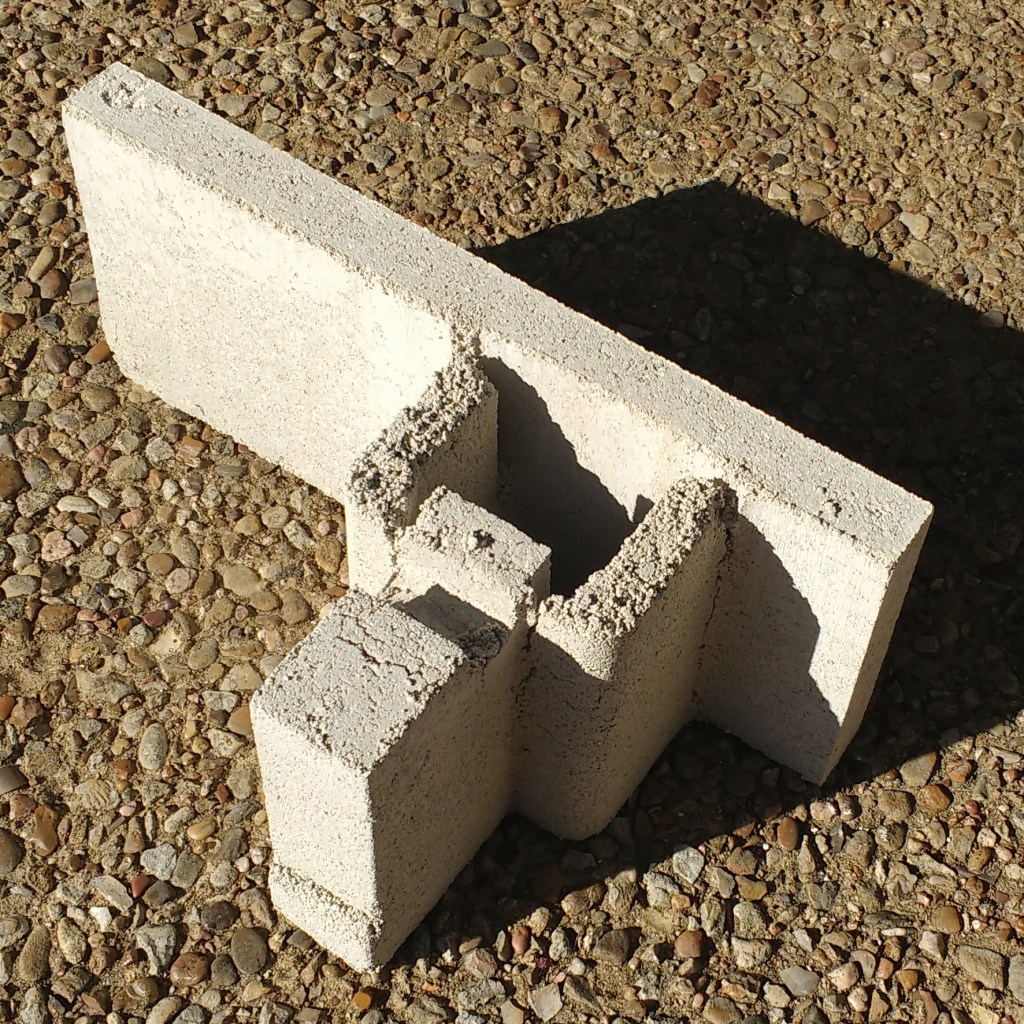
Citation: MineralBuilt, a New CMU Block Designed by Architects
In searching for a product with the strength of concrete but flexibility of wood framing, Francisco Gomes and Dabney Staub created their own building block.
-
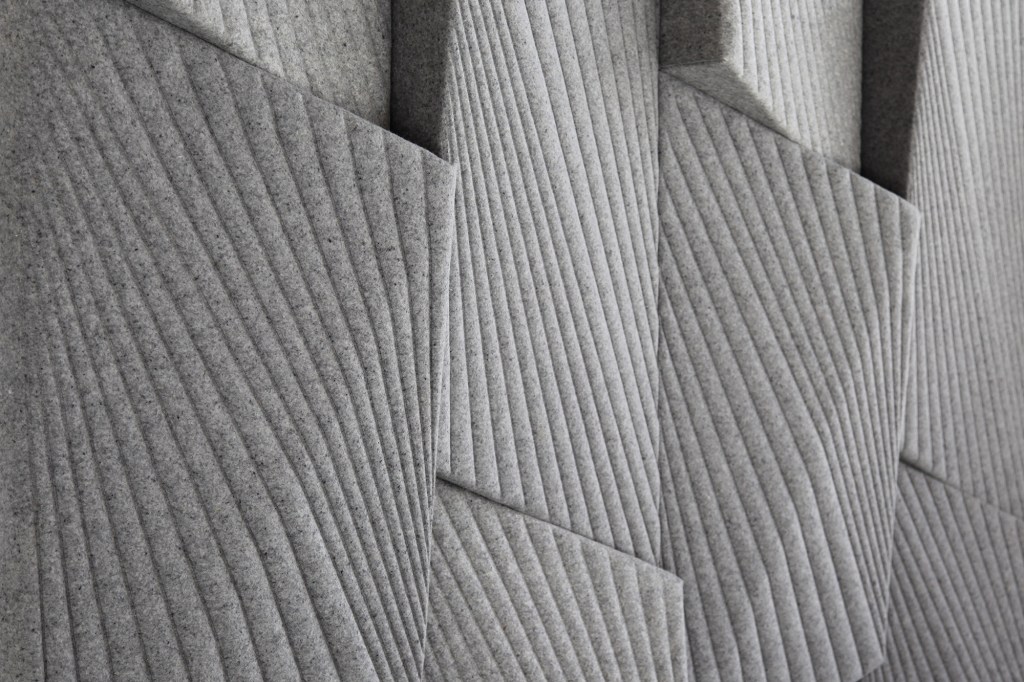
Citation: Robotic Needle Felting Stitches New Possibilities
University of Michigan faculty members Tsz Yan Ng, Wesley McGee, and Asa Peller take the age-old process to the next level: automation.
-
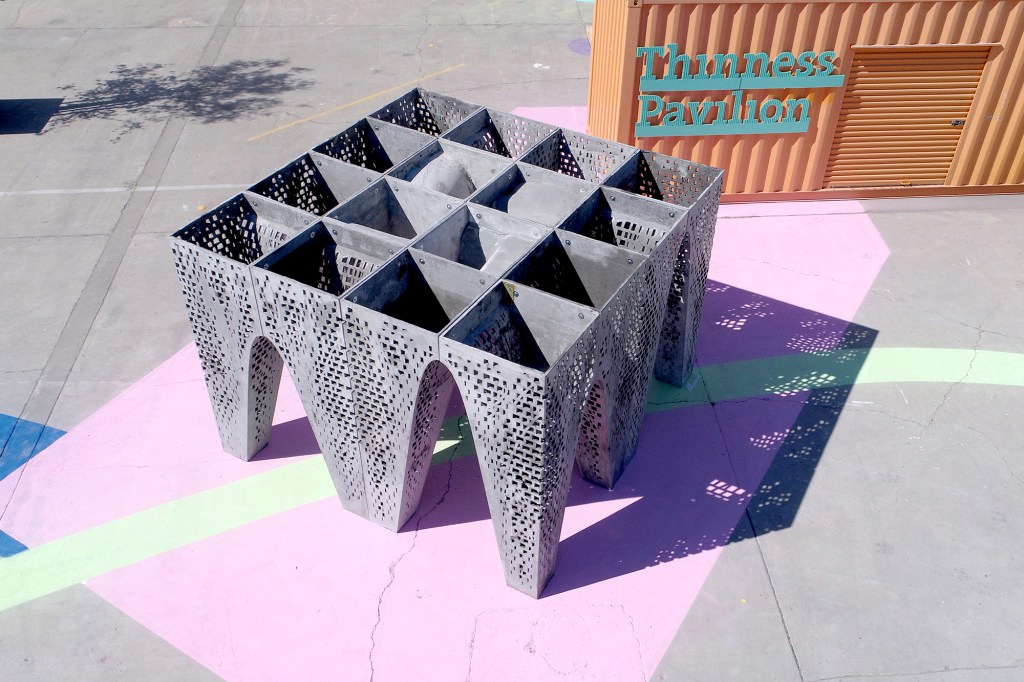
Citation: Thinness Redefines Lightweight Concrete
Aptum Architecture, in Syracuse, N.Y., and global concrete manufacturer Cemex create a 10-foot-tall pavilion with walls that are a mere 2 centimeters thick.
-
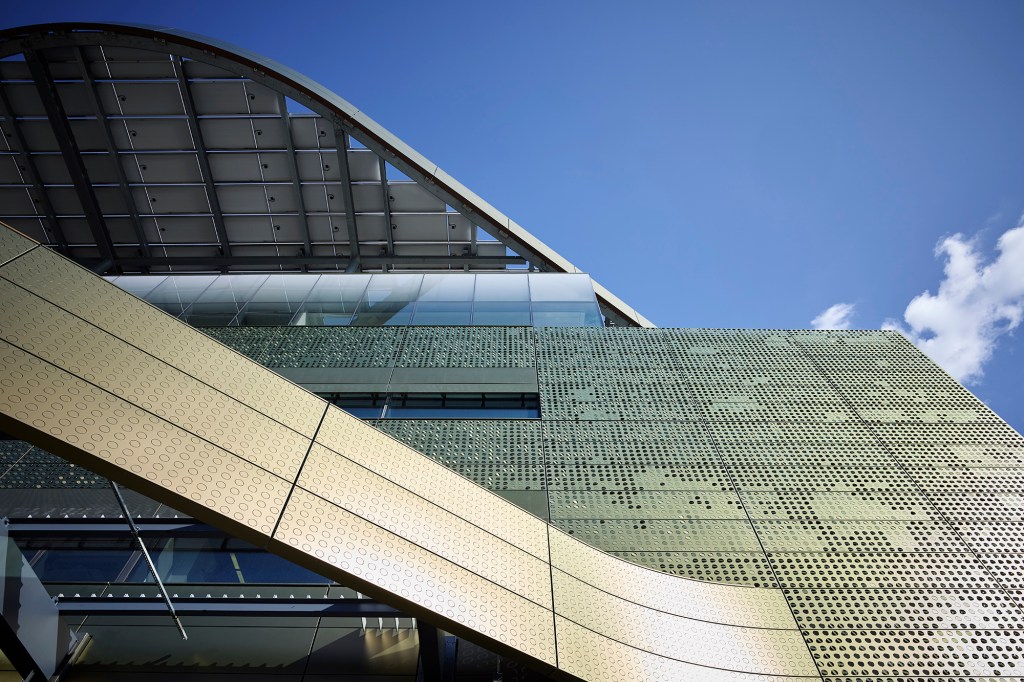
Honorable Mention: Functional Façade, Made with a Robot for Cornell Tech’s Emma and Georgina Bloomberg Center
Automation helped Morphosis and A. Zahner Co. realize a bespoke rainscreen for the innovative academic building in New York.
-
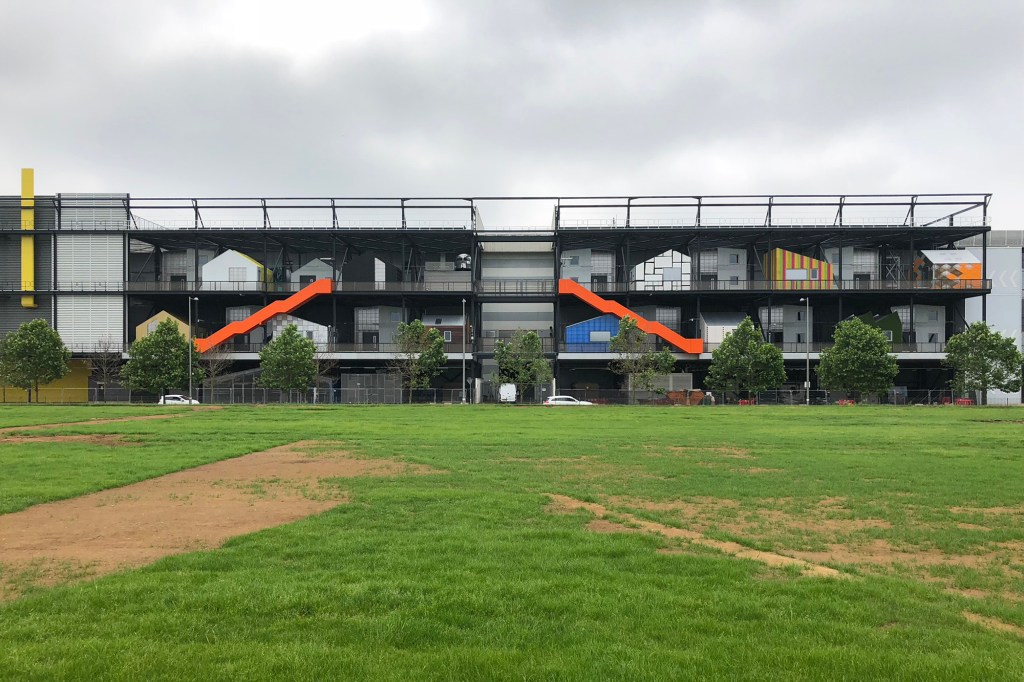
Honorable Mention: Here East Gantry, a Medley of Studios From a Kit of Parts
HawkinsBrown Architects deploys WikiHouse software to output 23 memorable studios in a steel gantry in London.
-
Honorable Mention: Hydroformed Shading, a Metal Feature Shaped by Water
For Harvard University's Paulson School of Engineering and Applied Sciences, Behnisch Architekten created a system that would minimize the building's energy load and maximize visual interest.

-
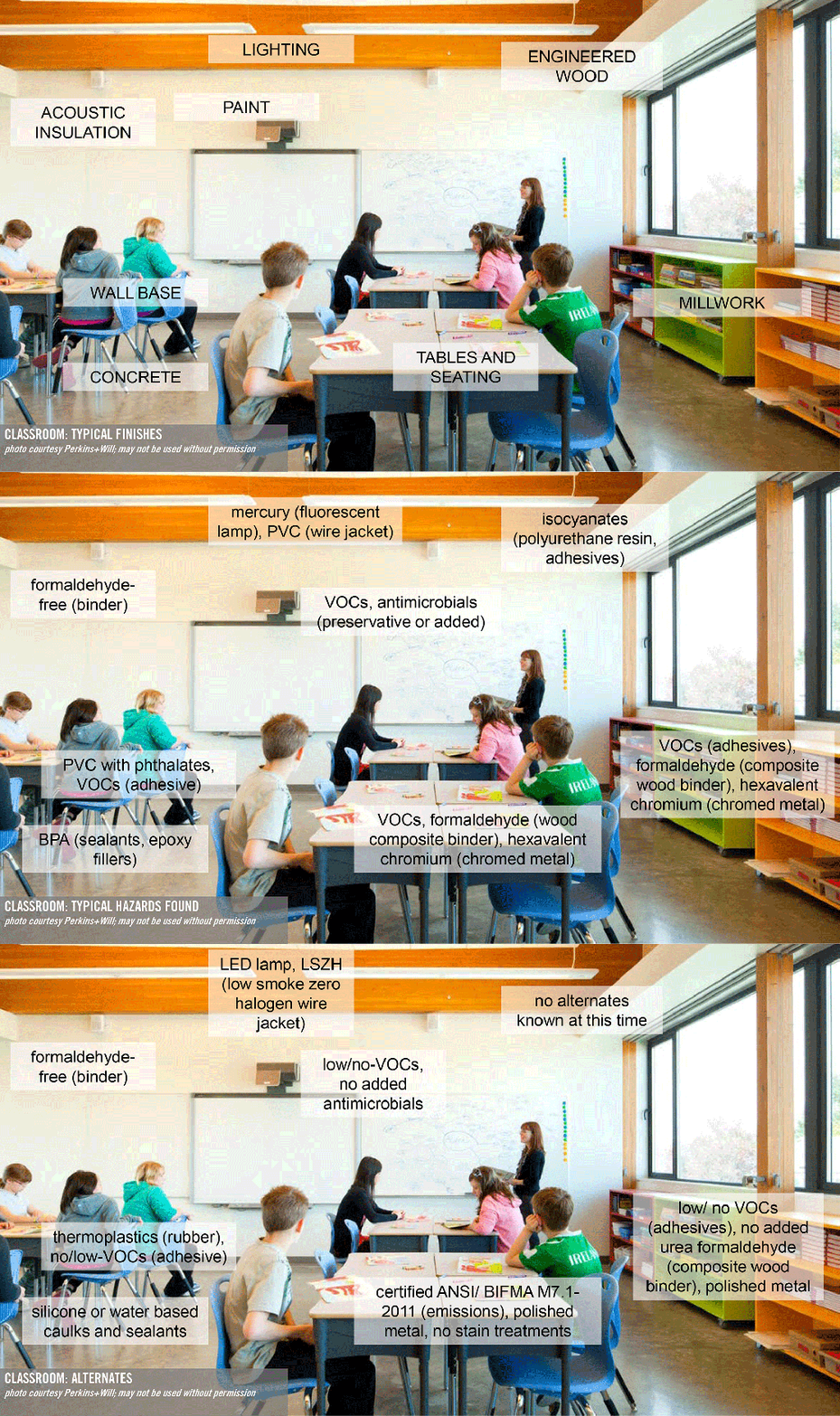
Honorable Mention: Precautionary List, a User-Friendly Guide to Green
As part of Perkins+Will's effort to make the construction process more transparent, the firm created a free, online database of materials and chemicals often found in building products.
-
Honorable Mention: Social Sensory Architectures Offers Comfort and Healing Through Design
University of Michigan assistant professor Sean Ahlquist explores the impact of architecture on autism and sensory processing disorder.