




Project Description
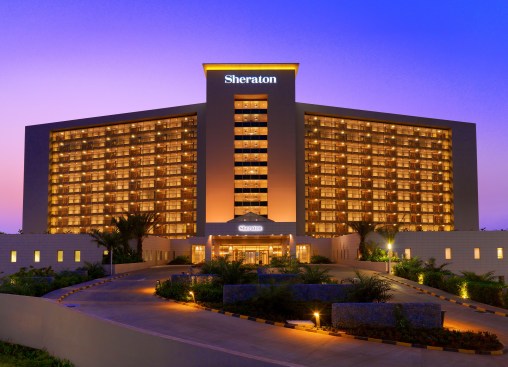
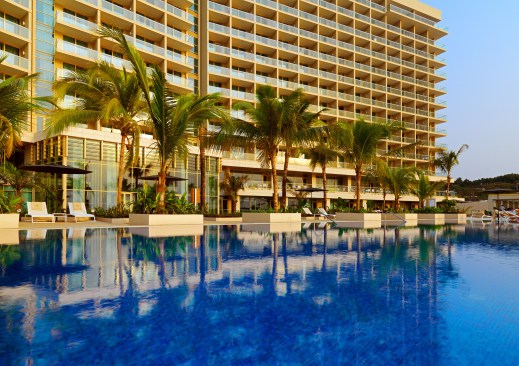
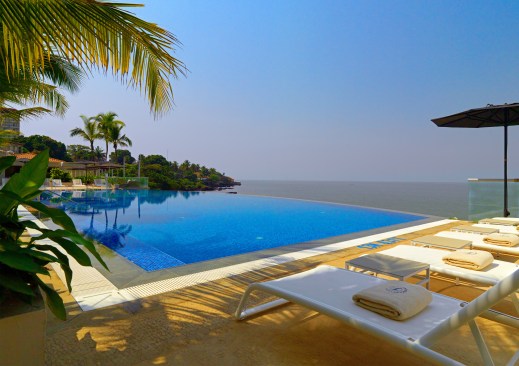
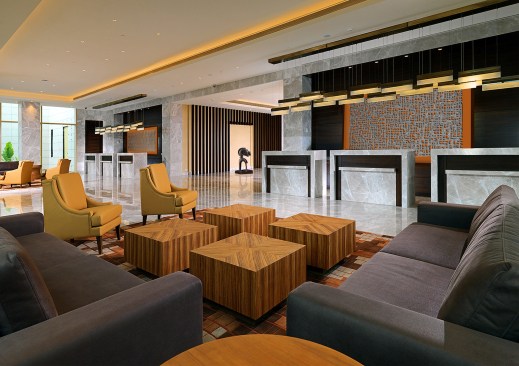
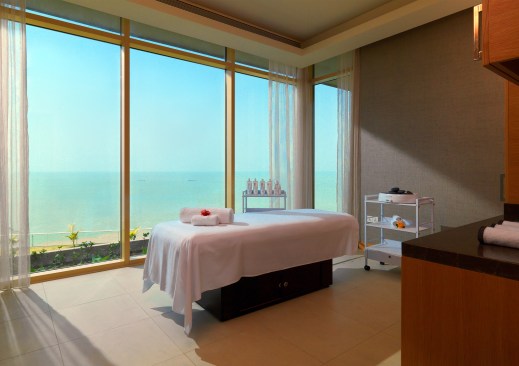
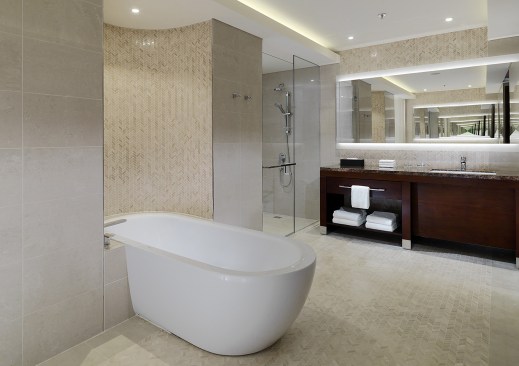
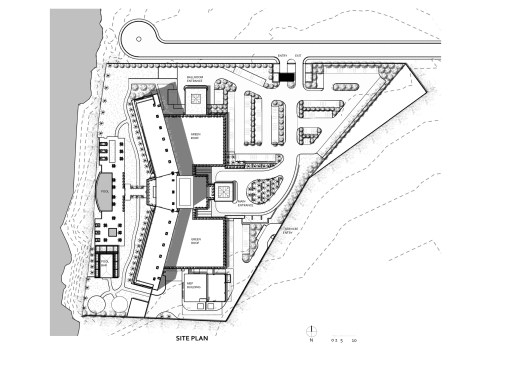
Located on a pristine beachfront property, Sheraton Grand Conakry hotel is a business hotel with 282 rooms. It has long term stay facilities like studios, one-bedroom units and executive office spaces on the ground floor for prolonged rentals. The hotel also features an infinity pool, a pool bar, a ballroom that can accommodate 420 people, meeting rooms, a spa, a specialty restaurant and an all-day dining facility.
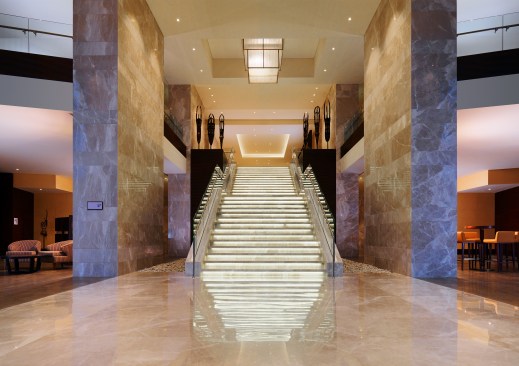
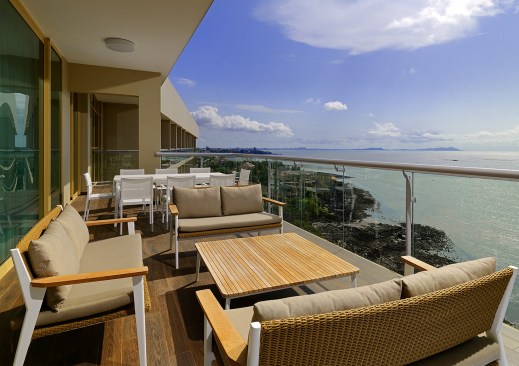
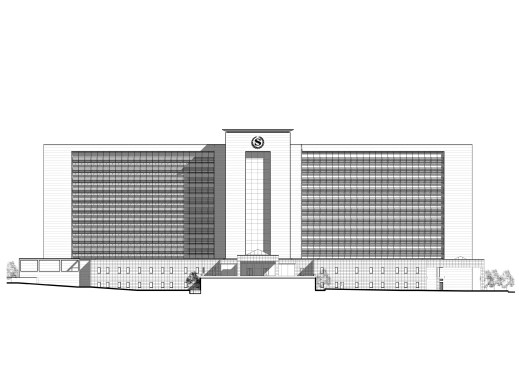
Simplicity, elegance and sustainability are the core values the project stands for. The design aims to encourage its guests to visually engage with the city views, while enjoying the exclusive ocean views. The singly loaded guest floors have all the guest rooms with an ocean view whereas the guest corridors are enlivened with the city views, providing a visual connection to the city. The building maximizes the ocean view at every level. The main entrance lobby is deliberately located on the 1st level to allow ocean view through a double height Sheraton link, forming an ascending sequence of volumes.
Arts and crafts are an inherent part of the Guinean ethos and they have been carefully concocted into the project by way of materials, fabrics and artifacts. The eleven-storey typical floors have been built in a record time of five months by utilizing technologies like tunnel-form for the core and shell. Also, the use of wire mesh has greatly reduced the steel reinforcement and the overall weight of the building.
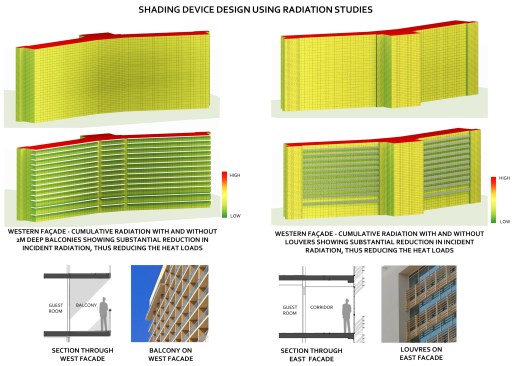
The project marks a milestone by being the first IFC green rated hotel in Africa. The latitude and longitude of Guinea is 11ºN and 10ºW respectively. Its proximity to the equator and the hot climatic conditions necessitated the study of sun directions and consequent design of shading devices and fenestration to minimize solar gains. The west facing main facade of the building (dictated by the ocean view) were designed with 2 meters deep balconies to provide solar protection to the room below; on the other hand the east elevation is primarily guest circulation and the glass on this elevation was protected with sun shade louvers. Other energy saving measures like daylight sensors, energy recovery wheel and high-performance glazing also were utilized to minimize the energy requirements.