

Project Description
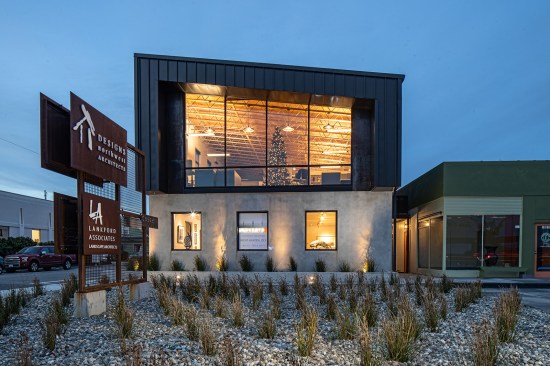
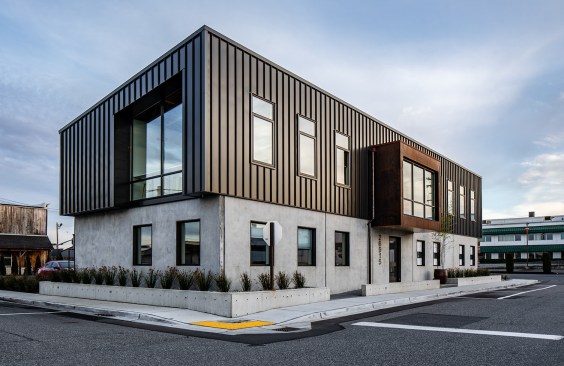
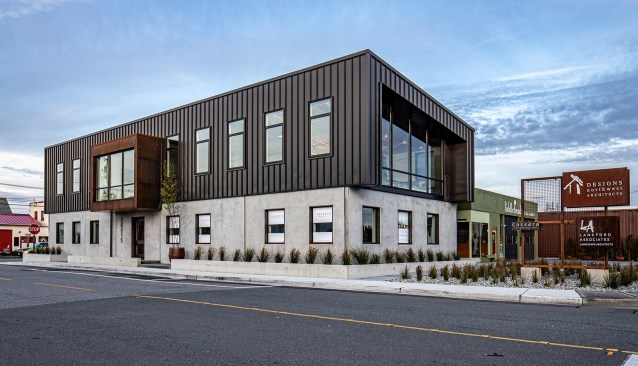
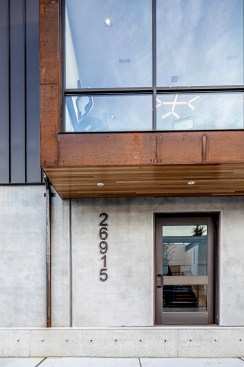
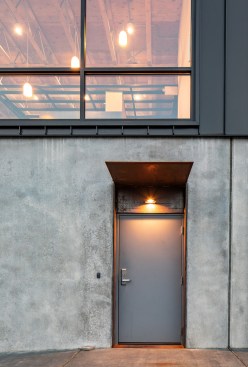
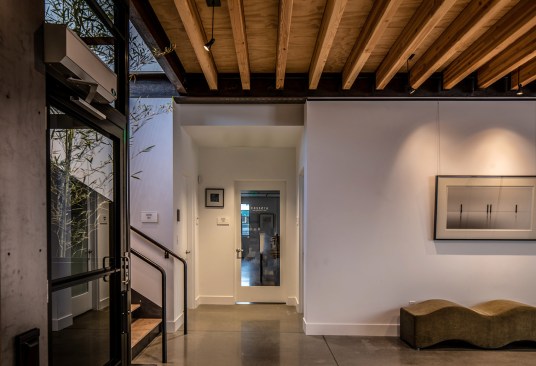
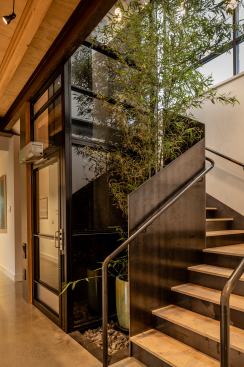
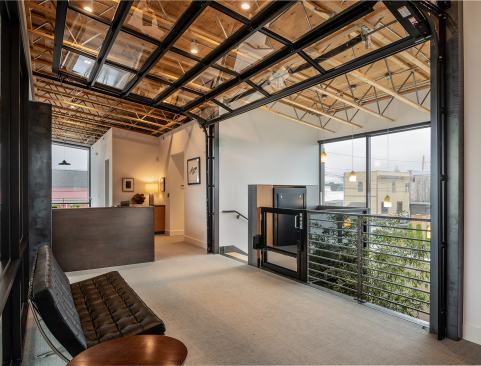
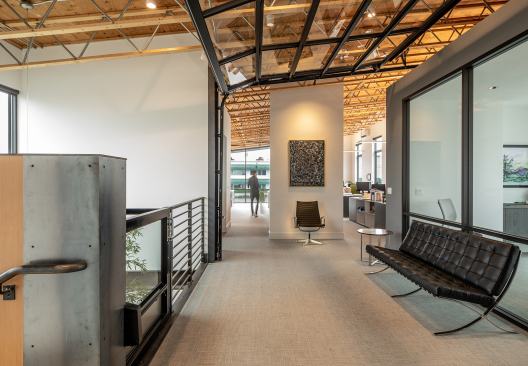
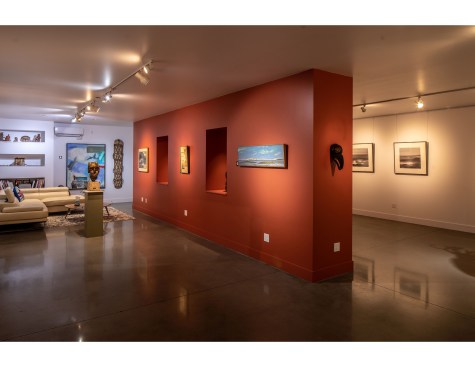
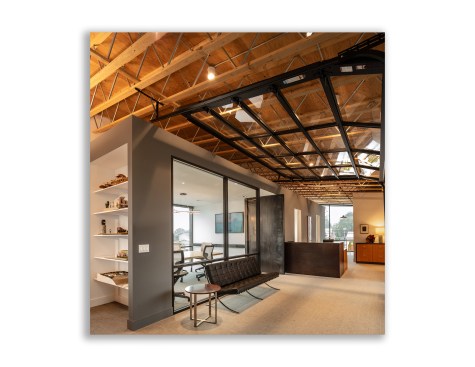
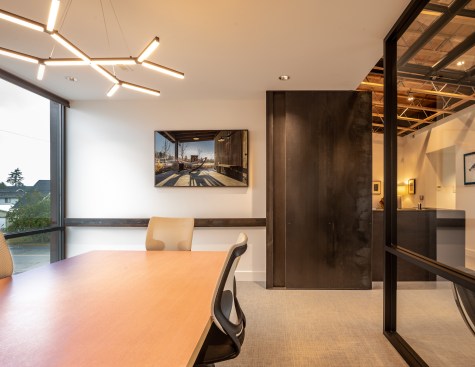
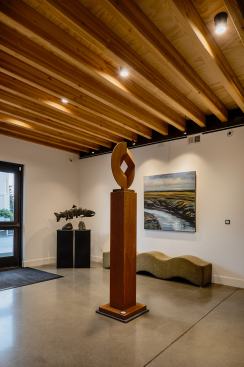
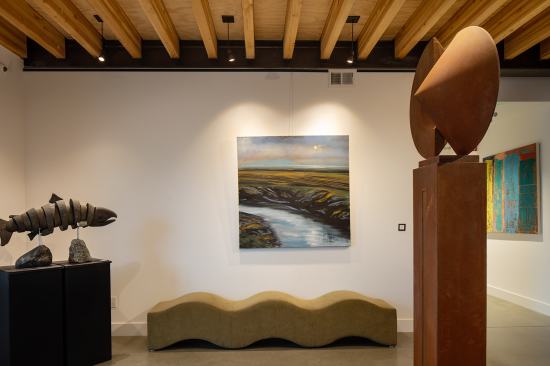
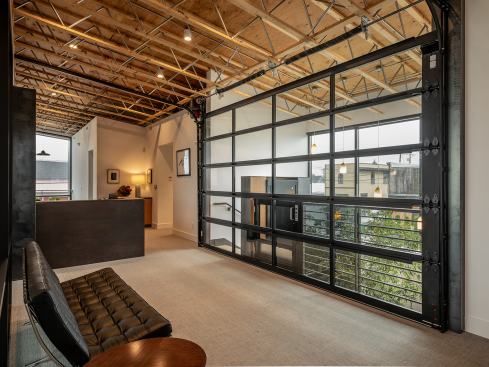
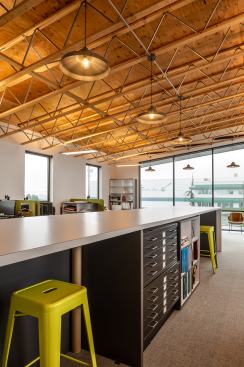
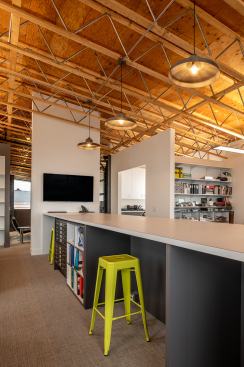
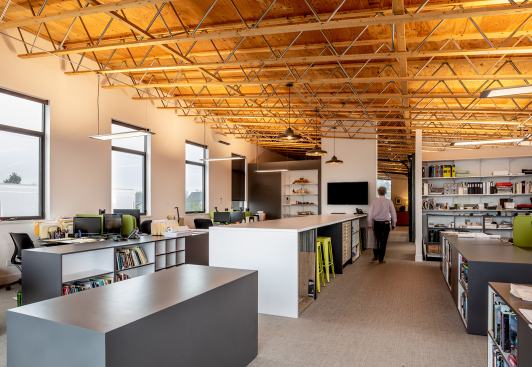
The D and D Building is a 5662 square foot commercial building designed to resist flooding. Located in the historic west end of Stanwood, Washington, the building resides in the middle of a Zone AE flood plain. The cost to build, maintain and insure a structure in a flood plain can be prohibitive. This has led to many businesses leaving the area as well as new commerce reluctant to take root. The owner of the D and D Building is an architect with a strong commitment to the Stanwood community he has lived and worked in for over 25 years. He sought to use the construction of this building as an opportunity to show how a flood resistant building can be built cost effectively. The result is a FEMA approved modern structure that resists flood waters and, as a result, keeps flood insurance rates reasonable. The building was designed to accommodate three creative local businesses with the architect’s own office on the upper level. An art gallery, landscape architecture office and lobby occupy the lower level. The upper-level architecture studio has an open plan and the reception area is secured by a tempered glass overhead door that is closed each evening to prevent the public from coming in after hours. The D &D Building reflects a construction type that resists water during a tidal surge with a sustained water level. Based on current FEMA regulations, the building is designed to resist water in addition to prevent floating without the use of pilings. This was achieved by casting a thirty inch concrete mat slab for the foundation and an eight inch thick tilt-up concrete wall system. Each of the openings on the main floor are required to have flood shutters, or gates, which will keep out water as well as resist impact from floating debris. The flood shutters were developed in conjunction with a metal fabricator to create an aluminum panel that would be durable yet light in weight so it can be bolted into place over each opening by a single individual. The use of a gasket on the aluminum panel attached to the wall ensures a tight water-resistant seal at each window opening. A similar application was used for the door openings. The door panel was split into three panels that can be placed together with the use of gaskets between each panel and at the connections of the panel to the wall to resist water infiltration. The D and D Building has two levels with a concrete slab first floor and standard wood construction on the second. The building’s orientation is north-south. Its design is modern yet the two-story massing of the structure fits within the fabric of the adjacent historic buildings. The combination of concrete, standing seam metal siding, Cor-Ten steel and wood accents gives it a minimal yet creative aesthetic that stands out along the main thoroughfare. Most importantly, it demonstrates that an innovative building can be built and cost-effectively maintained in a flood plain.