What’s next? A year ago, the answer that no one foresaw would be “a pandemic.” Though the COVID-19 pandemic will end, architecture cannot—and will not—simply return to its old habits and forms. The global health emergency has changed how we live, travel, and work. It has altered how we use and navigate space, what we expect regarding safety and sanitation, and the way we greet strangers and loved ones. Within the design profession, the pandemic has upended workflows and challenged architect–client rapport.
Some of these changes, like lingering side effects, will outlast the pandemic itself. But while the ground is still shifting, the future is ripe for rethinking. What will smart, safe, and beautiful design look like in a post-vaccine, post-pandemic world? And how can architects meet changing demands in an altered professional landscape that has yet to recover from the recession? Through the kaleidoscope of contingencies and unknowns, firms are listening to their clients, users, and staff more closely than ever. They’re asking new questions and they’re getting creative.
As the improvised solutions of last year give way to more permanent design responses, leading architects in six key building sectors—corporate, multifamily residential, industrial, K–12 education, health care, and cultural—share how they are positioning their practices to take on the emerging challenges and opportunities.
For starters, architects are now asked to reimagine offices to entice employees back to the formal workplace—but how? Can multifamily projects adapt to the new imperatives of working from home? As the volume of packages entering our country’s logistics and distribution systems continues to surge, how can industrial architecture meet the demand? Can designers team with school administrators to rethink educational environments that break free of traditional classroom units? How can health care architects help their clients manage infectious diseases and increase access to care for marginalized communities? Can architects design public spaces that preserve open spaces amid strained government budgets?
And, finally, as calls for equity gain support in the general public, will the pandemic accelerate the profession’s role in elevating the lives of not only elite clients, but also of everyday and underserved Americans?
This feature appeared as the cover story in ARCHITECT’s January/February 2021 issue.
-
What’s Next: Post-Vaccine Architecture
The COVID-19 pandemic has upended nearly everything we considered to be normal—and that includes how and what architects design. Read how leading firms across the nation are reimagining six major building typologies for use during and after the pandemic.
-
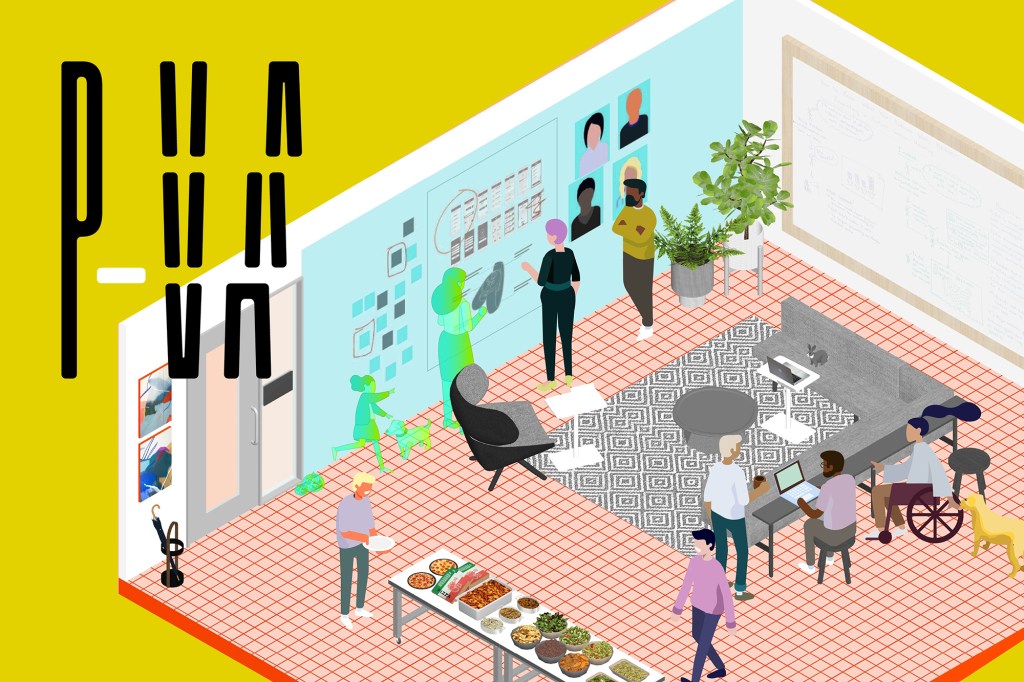
Post-Vaccine Corporate and Commercial Office Architecture
Learn how the design and planning of workplaces are changing in response to the COVID-19 pandemic, according to global design firm Gensler.
-
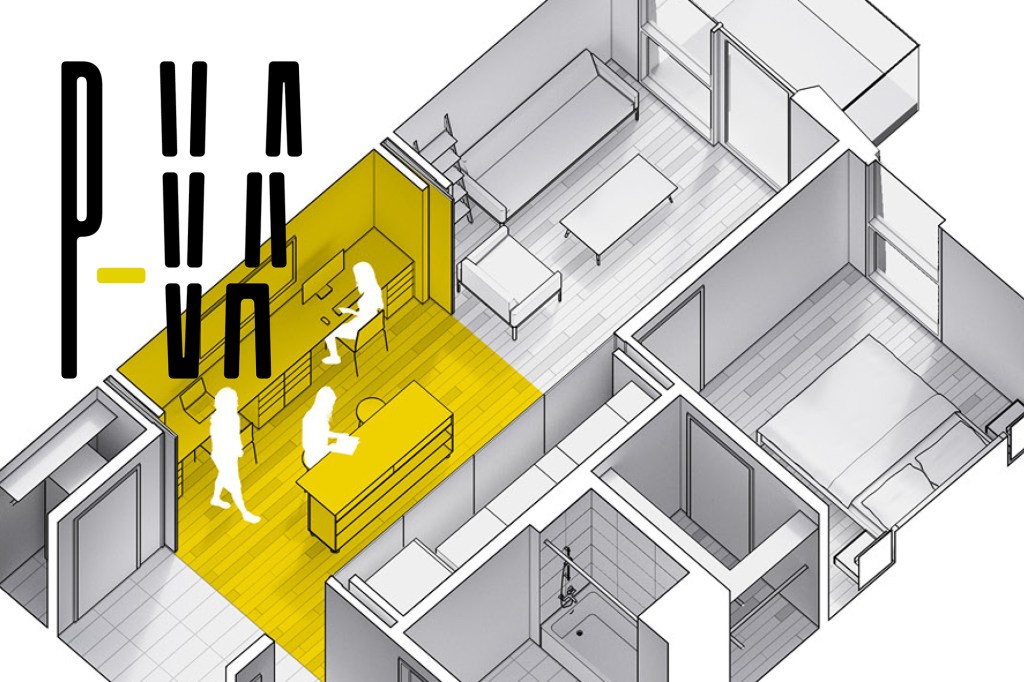
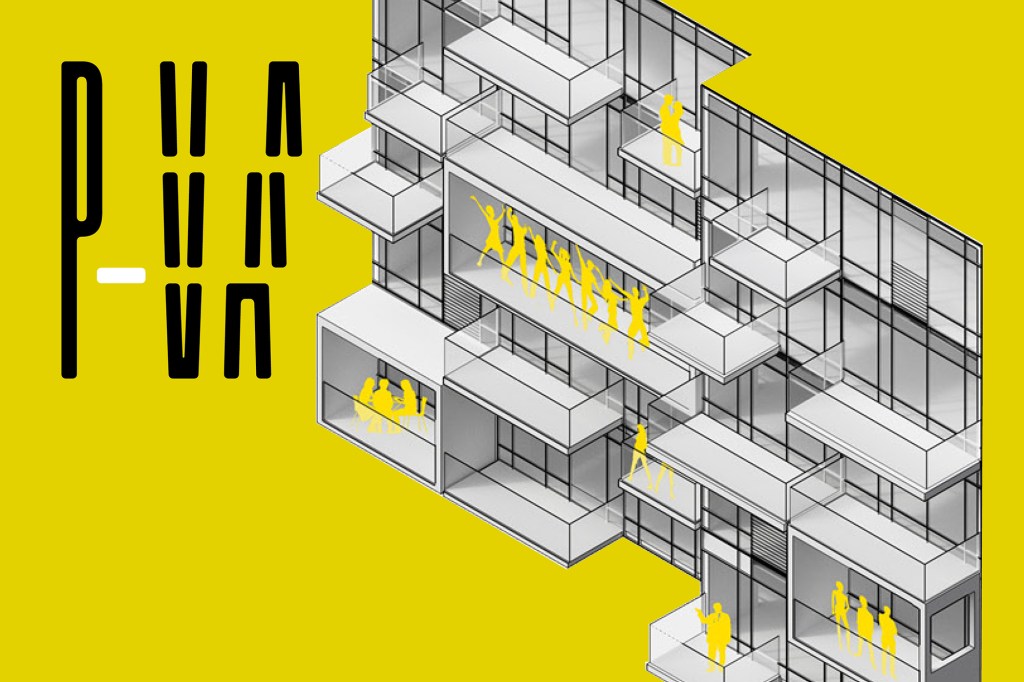
Post-Vaccine Multifamily Residential Architecture
Learn how multifamily residential design is evolving in response to the COVID-19 pandemic, according to global firm HKS.
-
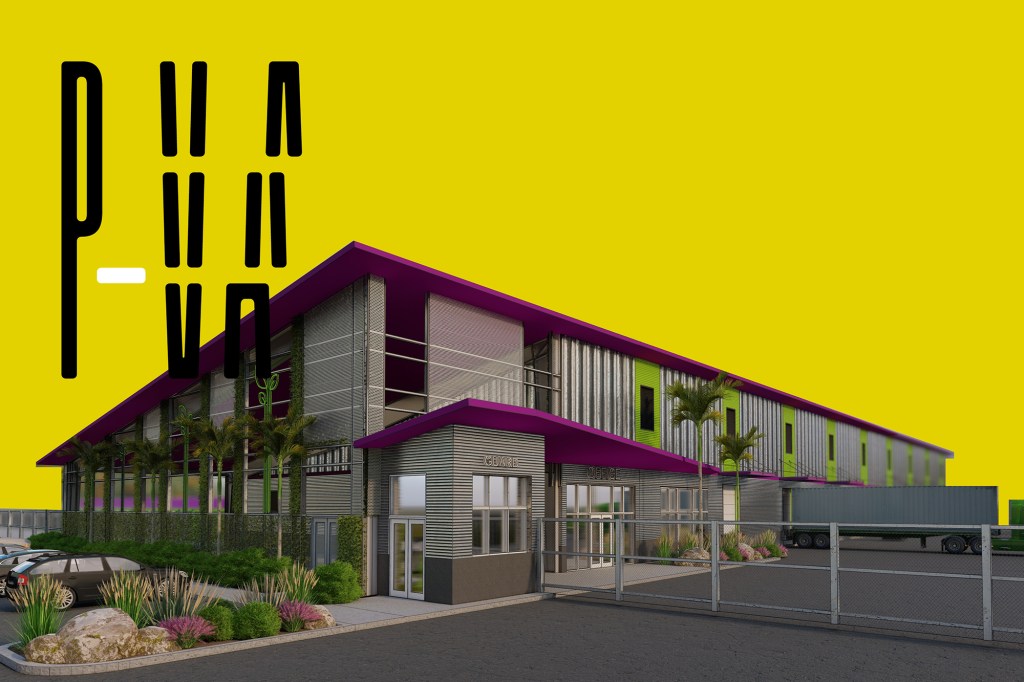
Post-Vaccine Industrial Architecture and Distribution Center Design
Read how distribution and logistics centers rose into the echelons of sophisticated design even before the COVID-19 pandemic hit, according to Lakeland, Fla.–based The Lunz Group.
-
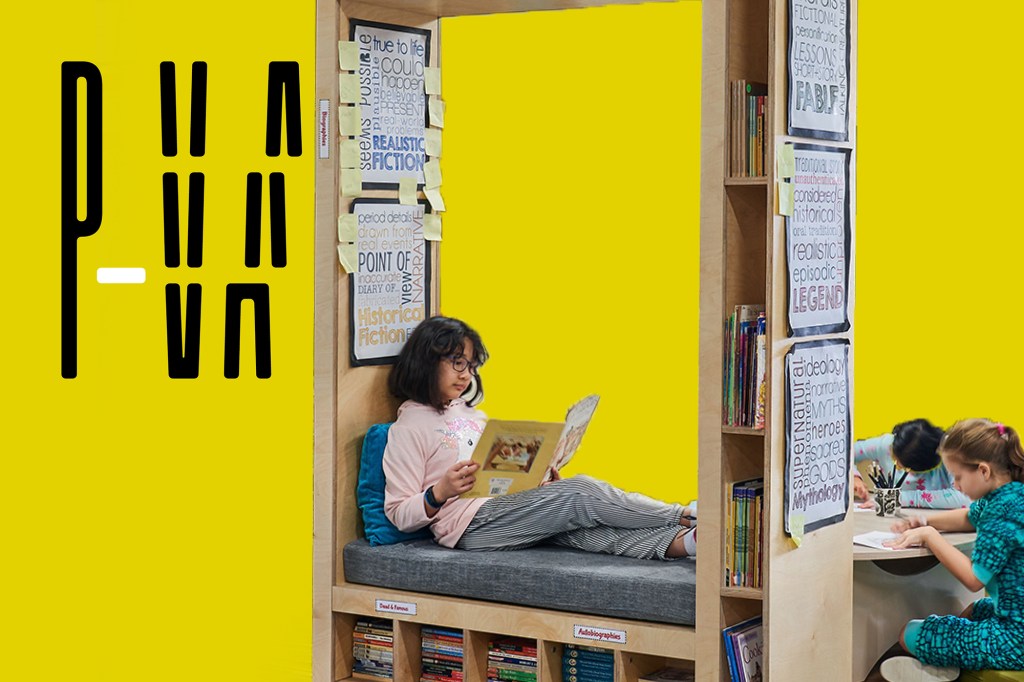
Post-Vaccine K-12 Education and School Design
Learn how the COVID-19 pandemic has accelerated the rethinking of classroom environments to build on students' strengths rather than on traditional notions of pedagogy, according to Education Design International.
-
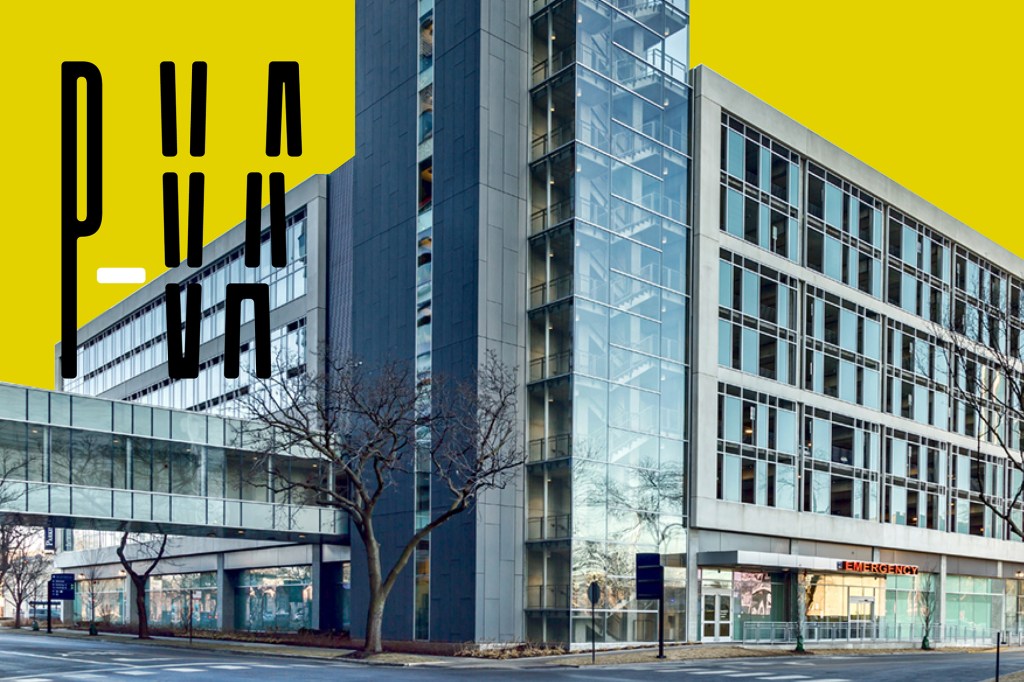
Post-Vaccine Health Care Design
Learn how the COVID-19 pandemic has exacerbated inequities in health care access and how architects can help increase the quality of care to underserved communities, according to the national firm Moody Nolan.
-
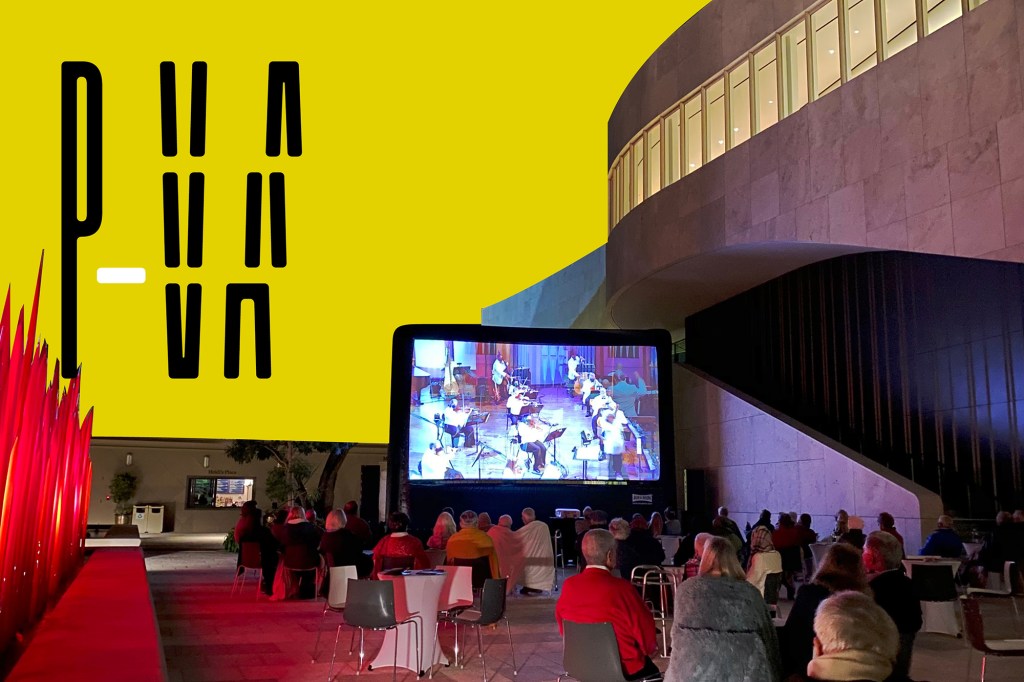
Post-Vaccine Cultural and Public Architecture
Read how the COVID-19 pandemic has underscored the need for thoughtful, engaging, and flexible cultural and public spaces, particularly outdoors, in this conversation with New York–based design firm Weiss/Manfredi.