Manufacturers across the construction industry are steadily raising the bar for sustainability. Whether it’s reformulating products to eliminate harmful chemicals, increasing recycled content, or publishing transparent declarations, these innovations are designed to reduce environmental impact and improve human health by way of the built environment. Yet, the full value of these investments is only realized when products are specified. Architects, therefore, bridge the gap between sustainable innovation and built impact.

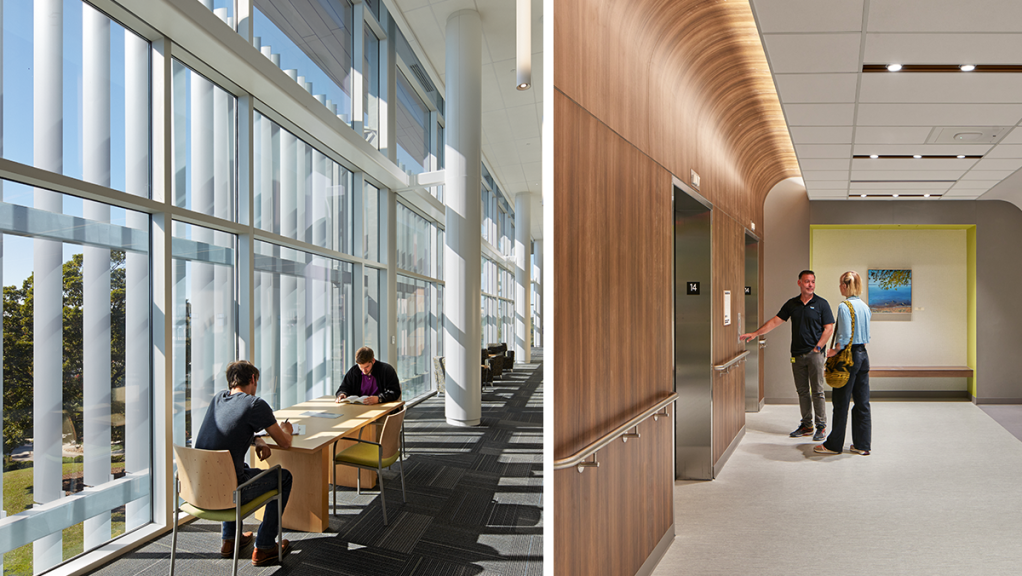
Photo courtesy of Construction Specialties
The AIA’s 2020 report Sustainability in the Architect’s Journey to Specification found that sustainable product selection is often driven by personal commitment, and that while nearly all architects consider sustainability in their design work, 59% feel they lack internal buy-in from their project teams for sustainable specifications. According to the study, four out of five architects want to specify more sustainable products. However, just over half proactively incorporate sustainability into all projects; they are instead more apt to defer to clients on sustainability decisions. This gap highlights the importance of architects making deliberate choices.
Without strong advocacy from design professionals, even the most advanced sustainable products risk being overlooked. By positioning sustainability as inseparable from quality and performance, architects can help shift client perspectives and normalize greener choices.

Photo courtesy of Construction Specialties
The report also reveals that architects want clearer, more accessible information on sustainability. Health Product Declarations (HPDs), Environmental Product Declarations (EPDs), and Cradle to Cradle certifications are valuable tools, but they must be integrated into the design process to influence real projects. When architects specify products with these attributes, they both deliver immediate benefits and send a signal to manufacturers that investments in transparency and material health are worthwhile.
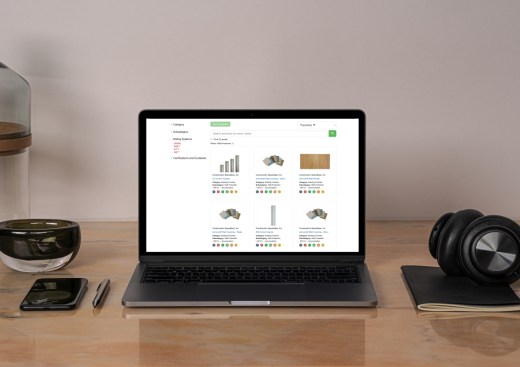
Photo courtesy of Construction Specialties
This cycle creates lasting change. Each sustainable specification validates the work of manufacturers and encourages further innovation. Over time, sustainability shifts from being an optional feature to a baseline expectation.
Of course, barriers remain. Sustainable products may still face perceptions of higher costs or a lack of availability. But architects are uniquely positioned to counter these concerns, drawing on research, performance data, and long-term value to guide clients. Their advocacy transforms sustainability from aspiration into reality, and they have the power to move beyond sustainability pledges toward buildings that truly embody progress.
Explore how Construction Specialties products can elevate your next project.