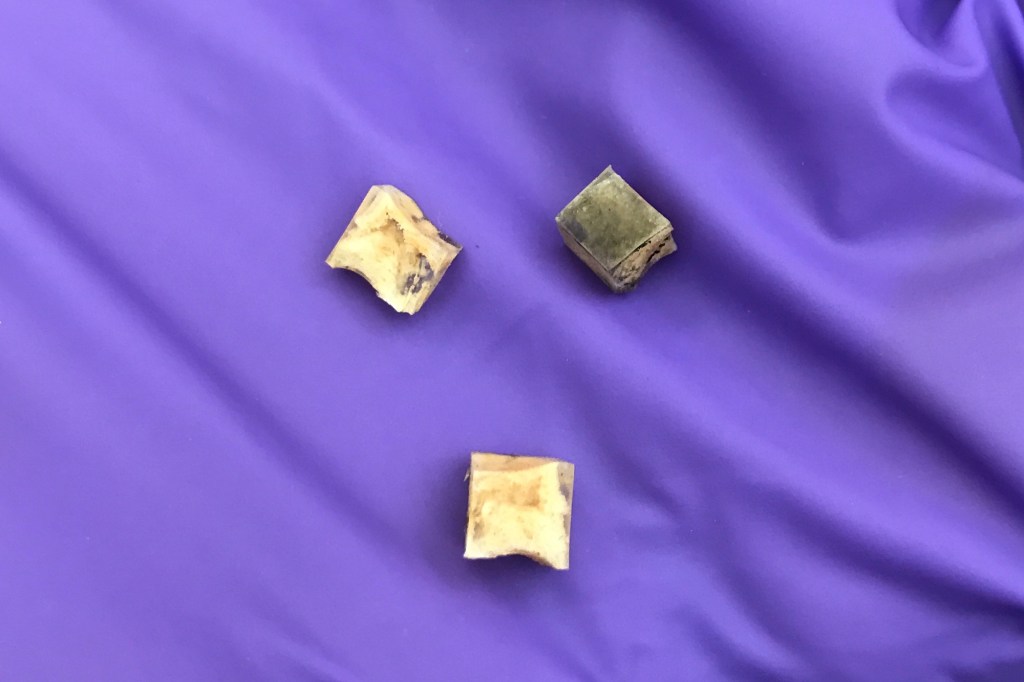
A team of material scientists at Rice University in Houston have created a porous foam out of hexagon-boron nitride and polyvinyl alcohol that can absorb carbon dioxide. Serving as a glue, the polyvinyl alcohol “binds the [hexagon-boron nitride] junctions as the microscopic sheets arrange themselves into a lattice when freeze-dried,” according to a press release.
“Even a very small amount of polyvinyl alcohol works,” said co-author and Rice postdoctoral researcher Chandra Sekhar Tiwary in the release. “It helps make the foam stiff by gluing the interconnects between the hexagon-boron nitride sheets—and at the same time, it hardly changes the surface area at all.”
Results of various simulation tests found that the foam cab absorb 340 percent of its own weight in carbon dioxide, and became even stiffer following compression tests. The team also combined the foam with a polymer, polydimethylsiloxane, which turned the material into an effective shield from lasers and could be applied to electronics.
“It’s important to join experiments and theoretical calculations to see the mechanical response of this composite,” co-author Cristiano Woellner said in the release. “This way, experimentalists will see in advance how they can improve the system.”
Though the team hopes to eventually control the size of the pores of the material—which could facilitate the separation of oil from water—as is, the foam has potential applications in air filters and gas absorption materials.