




Steve West
Blaine Brownell
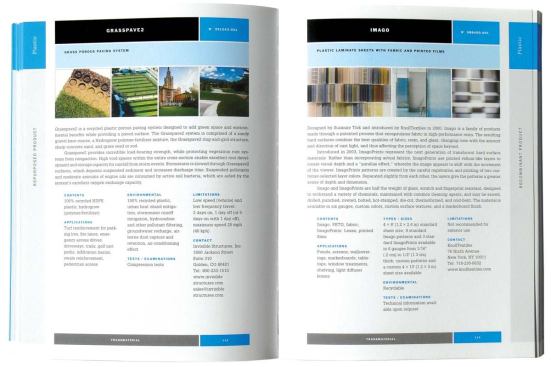
Despite its bright cover, high-quality paper, and four-color pri… Despite its bright cover, high-quality paper, and four-color printing, Transmaterial is not your typical architectural book. Sized and styled more like a travel guide, it places maximum importance on informing readers without a lot of distractions, as can be seen in a typical spread.
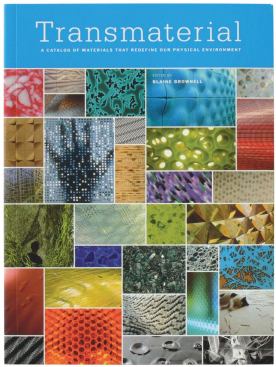
Despite its bright cover, high-quality paper, and four-color pri… Despite its bright cover, high-quality paper, and four-color printing, Transmaterial is not your typical architectural book.
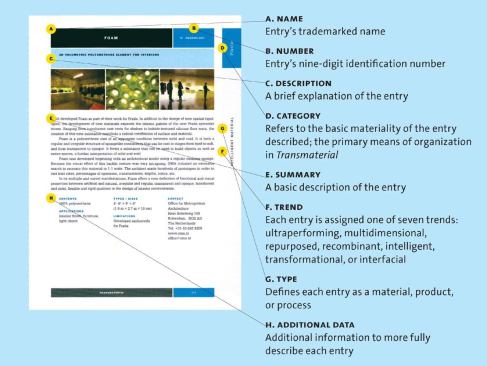
Reinforcing the idea that this is a book to be carried around, t… Reinforcing the idea that this is a book to be carried around, thumbed through, marked up, and otherwise used instead of admired, Brownell provides a key to help readers decipher each entry's numerous elements.
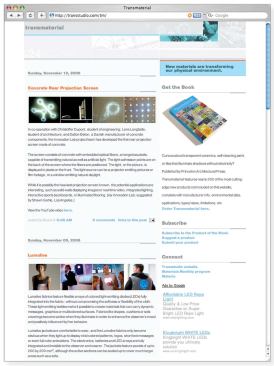
Brownell is a blogger, twice over. Transmaterial is his continua… Brownell is a blogger, twice over. Transmaterial is his continually updated journal of innovative products (none of which appear in the book).
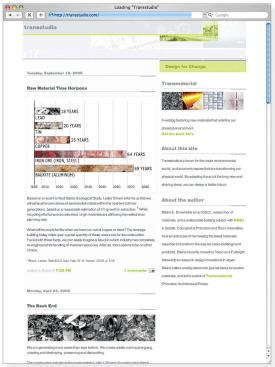
Transstudio is a more philosophical effort aimed at engaging peo… Transstudio is a more philosophical effort aimed at engaging people in conversation about diminishing natural resources, the man-made world, and how we can effect positive change. As he notes in his first entry, "Design will play a fundamental role in this new epoch, and creativity will be the ultimate criterion for success. Since new problems will require new solutions, we can only preserve the future by letting go of present conventions."
PRINCETON ARCHITECTURAL PRESS
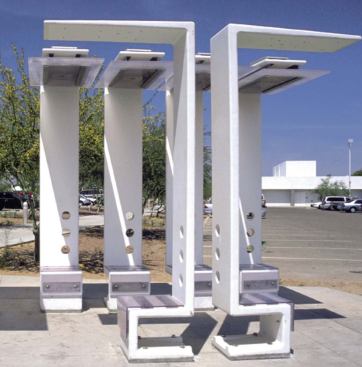
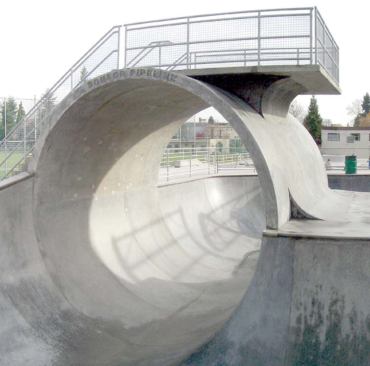
Green and sustainable products come in many forms and exist for … Green and sustainable products come in many forms and exist for every part of a building: inside, outside, and within the ceilings, floors, and walls. PRODUCT: Ductal WHAT IT IS: Ultra high-performance concrete ENVIRONMENTAL ASPECT: Partially manufactured from recycled industrial byproducts
PRINCETON ARCHITECTURAL PRESS
Green and sustainable products come in many forms and exist for … Green and sustainable products come in many forms and exist for every part of a building: inside, outside, and within the ceilings, floors, and walls. PRODUCT: Ductal WHAT IT IS: Ultra high-performance concrete ENVIRONMENTAL ASPECT: Partially manufactured from recycled industrial byproducts
PRINCETON ARCHITECTURAL PRESS
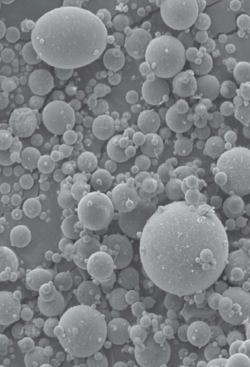
Green and sustainable products come in many forms and exist for … Green and sustainable products come in many forms and exist for every part of a building: inside, outside, and within the ceilings, floors, and walls. PRODUCT: Sphelar WHAT IT IS: Spherical micro solar cells ENVIRONMENTAL ASPECTS: Renewable energy source; less embodied energy; fewer materials than conventional photovoltaics
PRINCETON ARCHITECTURAL PRESS
Green and sustainable products come in many forms and exist for … Green and sustainable products come in many forms and exist for every part of a building: inside, outside, and within the ceilings, floors, and walls. PRODUCT: Sphelar WHAT IT IS: Spherical micro solar cells ENVIRONMENTAL ASPECTS: Renewable energy source; less embodied energy; fewer materials than conventional photovoltaics
PRINCETON ARCHITECTURAL PRESS
Green and sustainable products come in many forms and exist for … Green and sustainable products come in many forms and exist for every part of a building: inside, outside, and within the ceilings, floors, and walls. PRODUCT: Sphelar WHAT IT IS: Spherical micro solar cells ENVIRONMENTAL ASPECTS: Renewable energy source; less embodied energy; fewer materials than conventional photovoltaics
PRINCETON ARCHITECTURAL PRESS
Green and sustainable products come in many forms and exist for … Green and sustainable products come in many forms and exist for every part of a building: inside, outside, and within the ceilings, floors, and walls. PRODUCT: Aluma Floor WHAT IT IS: Aluminum floor tiles and panels ENVIRONMENTAL ASPECTS: Made from recycled postindustrial content; fully recyclable
PRINCETON ARCHITECTURAL PRESS
Green and sustainable products come in many forms and exist for … Green and sustainable products come in many forms and exist for every part of a building: inside, outside, and within the ceilings, floors, and walls. PRODUCT: Aluma Floor WHAT IT IS: Aluminum floor tiles and panels ENVIRONMENTAL ASPECTS: Made from recycled postindustrial content; fully recyclable
PRINCETON ARCHITECTURAL PRESS
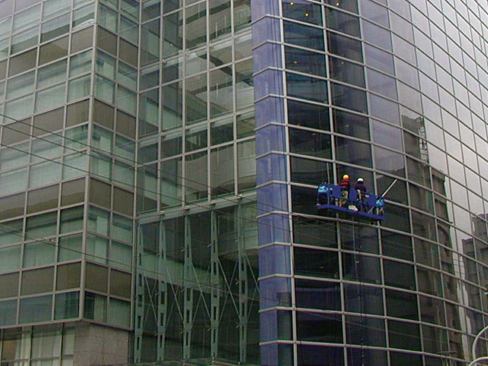
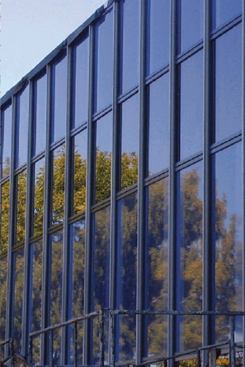
Green and sustainable products come in many forms and exist for … Green and sustainable products come in many forms and exist for every part of a building: inside, outside, and within the ceilings, floors, and walls. PRODUCT: Tingwall WHAT IT IS: Leak-free glazing system ENVIRONMENTAL ASPECT: Prevents poor indoor air quality related to mold growth
PRINCETON ARCHITECTURAL PRESS
Green and sustainable products come in many forms and exist for … Green and sustainable products come in many forms and exist for every part of a building: inside, outside, and within the ceilings, floors, and walls. PRODUCT: Tingwall WHAT IT IS: Leak-free glazing system ENVIRONMENTAL ASPECT: Prevents poor indoor air quality related to mold growth
PRINCETON ARCHITECTURAL PRESS
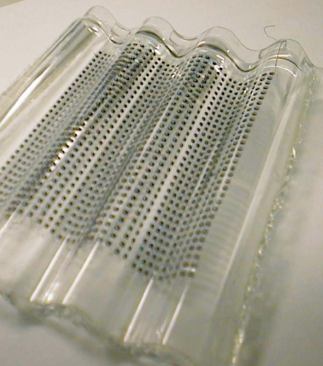
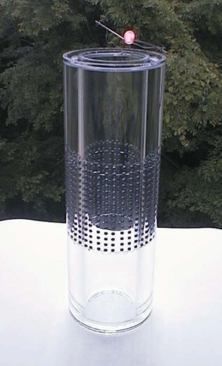
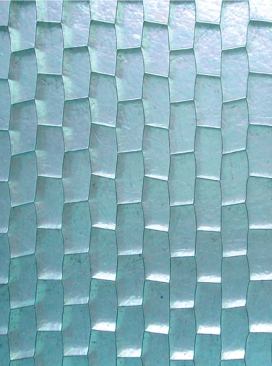
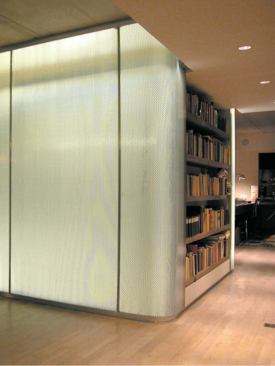
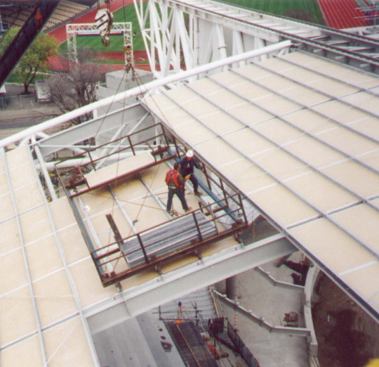
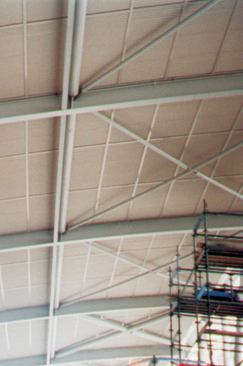
Green and sustainable products come in many forms and exist for … Green and sustainable products come in many forms and exist for every part of a building: inside, outside, and within the ceilings, floors, and walls. Some can be used before the first shovel breaks ground. Others, like Panelite, are among the last things to be put in place. PRODUCT: Panelite WHAT IT IS: Insulated glass unit with tubular polycarbonate core ENVIRONMENTAL ASPECTS: Recyclable components; natural daylighting; efficient use of materials
PRINCETON ARCHITECTURAL PRESS
Green and sustainable products come in many forms and exist for … Green and sustainable products come in many forms and exist for every part of a building: inside, outside, and within the ceilings, floors, and walls. Some can be used before the first shovel breaks ground. Others, like Panelite, are among the last things to be put in place. PRODUCT: Panelite WHAT IT IS: Insulated glass unit with tubular polycarbonate core ENVIRONMENTAL ASPECTS: Recyclable components; natural daylighting; efficient use of materials
PRINCETON ARCHITECTURAL PRESS
Green and sustainable products come in many forms and exist for … Green and sustainable products come in many forms and exist for every part of a building: inside, outside, and within the ceilings, floors, and walls. Some can be used before the first shovel breaks ground. Others, like Panelite, are among the last things to be put in place. PRODUCT: Panelite WHAT IT IS: Insulated glass unit with tubular polycarbonate core ENVIRONMENTAL ASPECTS: Recyclable components; natural daylighting; efficient use of materials
PRINCETON ARCHITECTURAL PRESS
Green and sustainable products come in many forms and exist for … Green and sustainable products come in many forms and exist for every part of a building: inside, outside, and within the ceilings, floors, and walls. PRODUCT: Ecosmart WHAT IT IS: High-volume fly-ash concrete ENVIRONMENTAL ASPECTS: Reduces greenhouse gas emissions; improves long-term strength and durability; reduces the need to put waste materials in landfills
PRINCETON ARCHITECTURAL PRESS
Green and sustainable products come in many forms and exist for … Green and sustainable products come in many forms and exist for every part of a building: inside, outside, and within the ceilings, floors, and walls. PRODUCT: Ecosmart WHAT IT IS: High-volume fly-ash concrete ENVIRONMENTAL ASPECTS: Reduces greenhouse gas emissions; improves long-term strength and durability; reduces the need to put waste materials in landfills
PRINCETON ARCHITECTURAL PRESS
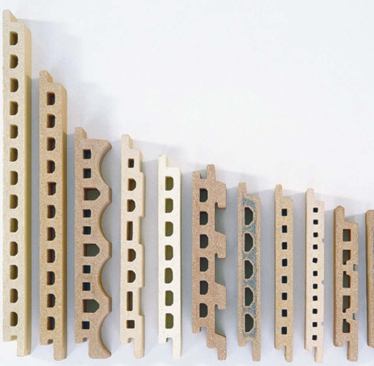
Green and sustainable products come in many forms and exist for … Green and sustainable products come in many forms and exist for every part of a building: inside, outside, and within the ceilings, floors, and walls. = PRODUCT: Terrart WHAT IT IS: Architectural terra cotta façade panels and elements ENVIRONMENTAL ASPECTS: Fully recyclable; increases a building's energy efficiency
PRINCETON ARCHITECTURAL PRESS
Green and sustainable products come in many forms and exist for … Green and sustainable products come in many forms and exist for every part of a building: inside, outside, and within the ceilings, floors, and walls. PRODUCT: Terrart WHAT IT IS: Architectural terra cotta façade panels and elements ENVIRONMENTAL ASPECTS: Fully recyclable; increases a building's energy efficiency
PRINCETON ARCHITECTURAL PRESS
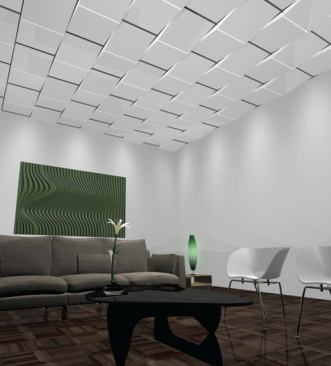
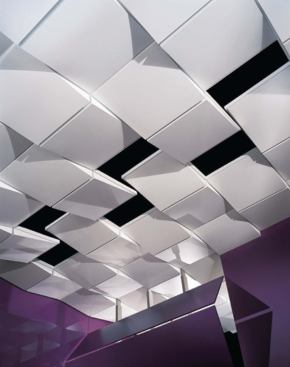
Green and sustainable products come in many forms and exist for … Green and sustainable products come in many forms and exist for every part of a building: inside, outside, and within the ceilings, floors, and walls. PRODUCT: Geometrix WHAT IT IS: Lightweight recycled metal ceramic tiles ENVIRONMENTAL ASPECT: Contains 90 percent recycled content
PRINCETON ARCHITECTURAL PRESS
Green and sustainable products come in many forms and exist for … Green and sustainable products come in many forms and exist for every part of a building: inside, outside, and within the ceilings, floors, and walls. PRODUCT: Geometrix WHAT IT IS: Lightweight recycled metal ceramic tiles ENVIRONMENTAL ASPECT: Contains 90 percent recycled content
PRINCETON ARCHITECTURAL PRESS
Green and sustainable products come in many forms and exist for … Green and sustainable products come in many forms and exist for every part of a building: inside, outside, and within the ceilings, floors, and walls. PRODUCT: Durra WHAT IT IS: Lightweight wheat straw and paper construction system ENVIRONMENTAL ASPECTS: Uses agricultural byproducts and recycled materials; no added chemicals; efficient use of material
PRINCETON ARCHITECTURAL PRESS
Green and sustainable products come in many forms and exist for … Green and sustainable products come in many forms and exist for every part of a building: inside, outside, and within the ceilings, floors, and walls. PRODUCT: Durra WHAT IT IS: Lightweight wheat straw and paper construction system ENVIRONMENTAL ASPECTS: Uses agricultural byproducts and recycled materials; no added chemicals; efficient use of material
PRINCETON ARCHITECTURAL PRESS
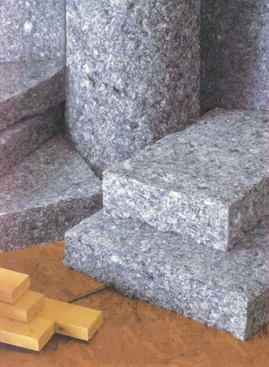
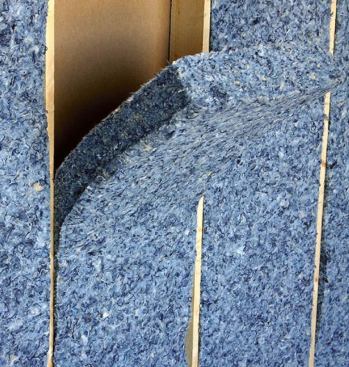
Green and sustainable products come in many forms and exist for … Green and sustainable products come in many forms and exist for every part of a building: inside, outside, and within the ceilings, floors, and walls. PRODUCT: UltraTouch WHAT IT IS: Natural cotton-fiber insulation ENVIRONMENTAL ASPECTS: Recycled content; no volatile organic compounds or harmful chemicals
PRINCETON ARCHITECTURAL PRESS
Green and sustainable products come in many forms and exist for … Green and sustainable products come in many forms and exist for every part of a building: inside, outside, and within the ceilings, floors, and walls. PRODUCT: UltraTouch WHAT IT IS: Natural cotton-fiber insulation ENVIRONMENTAL ASPECTS: Recycled content; no volatile organic compounds or harmful chemicals
PRINCETON ARCHITECTURAL PRESS
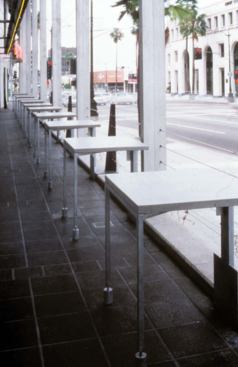
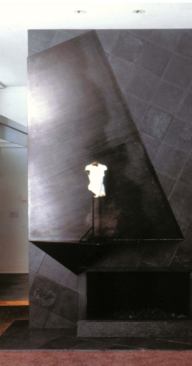
Green and sustainable products come in many forms and exist for … Green and sustainable products come in many forms and exist for every part of a building: inside, outside, and within the ceilings, floors, and walls. PRODUCT: Syndecrete WHAT IT IS: Recycled-content, precast concrete surfacing material ENVIRONMENTAL ASPECTS: Recycled carpet fiber, fly ash, and recycled decorative aggregates; no off-gassing
PRINCETON ARCHITECTURAL PRESS
Green and sustainable products come in many forms and exist for … Green and sustainable products come in many forms and exist for every part of a building: inside, outside, and within the ceilings, floors, and walls. PRODUCT: Syndecrete WHAT IT IS: Recycled-content, precast concrete surfacing material ENVIRONMENTAL ASPECTS: Recycled carpet fiber, fly ash, and recycled decorative aggregates; no off-gassing
PRINCETON ARCHITECTURAL PRESS
Green and sustainable products come in many forms and exist for … Green and sustainable products come in many forms and exist for every part of a building: inside, outside, and within the ceilings, floors, and walls. PRODUCT: Syndecrete WHAT IT IS: Recycled-content, precast concrete surfacing material ENVIRONMENTAL ASPECTS: Recycled carpet fiber, fly ash, and recycled decorative aggregates; no off-gassing
PRINCETON ARCHITECTURAL PRESS
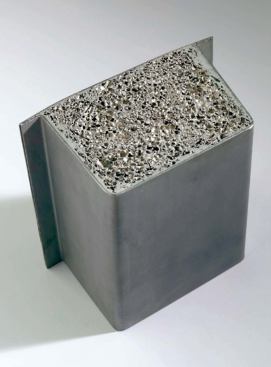
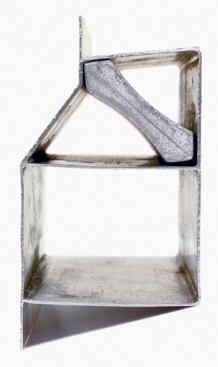
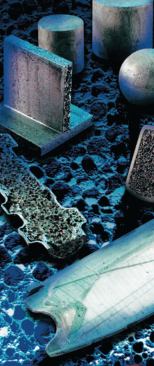
Green and sustainable products come in many forms and exist for … Green and sustainable products come in many forms and exist for every part of a building: inside, outside, and within the ceilings, floors, and walls. PRODUCT: Alulight WHAT IT IS: Aluminum foam ENVIRONMENTAL ASPECTS: Fully recyclable; efficient use of material
PRINCETON ARCHITECTURAL PRESS
Green and sustainable products come in many forms and exist for … Green and sustainable products come in many forms and exist for every part of a building: inside, outside, and within the ceilings, floors, and walls. PRODUCT: Alulight WHAT IT IS: Aluminum foam ENVIRONMENTAL ASPECTS: Fully recyclable; efficient use of material
PRINCETON ARCHITECTURAL PRESS
Green and sustainable products come in many forms and exist for … Green and sustainable products come in many forms and exist for every part of a building: inside, outside, and within the ceilings, floors, and walls. PRODUCT: Alulight WHAT IT IS: Aluminum foam ENVIRONMENTAL ASPECTS: Fully recyclable; efficient use of material
PRINCETON ARCHITECTURAL PRESS
Green and sustainable products come in many forms and exist for … Green and sustainable products come in many forms and exist for every part of a building: inside, outside, and within the ceilings, floors, and walls. PRODUCT: Solarwall WHAT IT IS: Solar air panels ENVIRONMENTAL ASPECTS: Lowers energy load; reduces fossil-fuel dependency and carbon emissions
PRINCETON ARCHITECTURAL PRESS
Green and sustainable products come in many forms and exist for … Green and sustainable products come in many forms and exist for every part of a building: inside, outside, and within the ceilings, floors, and walls. PRODUCT: Solarwall WHAT IT IS: Solar air panels ENVIRONMENTAL ASPECTS: Lowers energy load; reduces fossil-fuel dependency and carbon emissions
PRINCETON ARCHITECTURAL PRESS
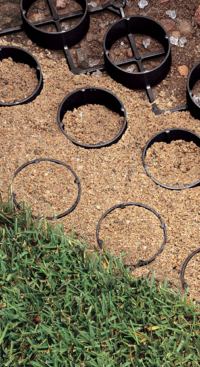
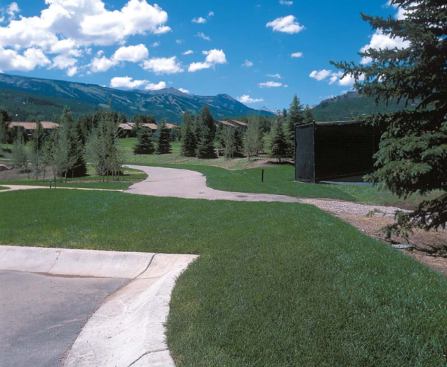
Green and sustainable products come in many forms and exist for … Green and sustainable products come in many forms and exist for every part of a building: inside, outside, and within the ceilings, floors, and walls. PRODUCT: Grasspave2 WHAT IT IS: Grass porous paving system ENVIRONMENTAL ASPECTS: 100 percent recycled plastic; heat-island and stormwater-runoff mitigation; hydrocarbon filtering; groundwater recharge
PRINCETON ARCHITECTURAL PRESS
Green and sustainable products come in many forms and exist for … Green and sustainable products come in many forms and exist for every part of a building: inside, outside, and within the ceilings, floors, and walls. PRODUCT: Grasspave2 WHAT IT IS: Grass porous paving system ENVIRONMENTAL ASPECTS: 100 percent recycled plastic; heat-island and stormwater-runoff mitigation; hydrocarbon filtering; groundwater recharge
PRINCETON ARCHITECTURAL PRESS
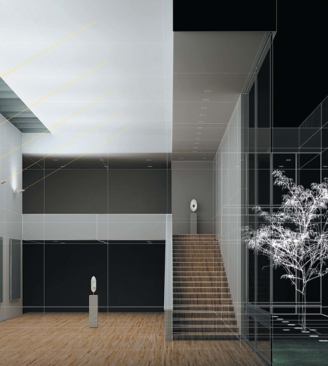
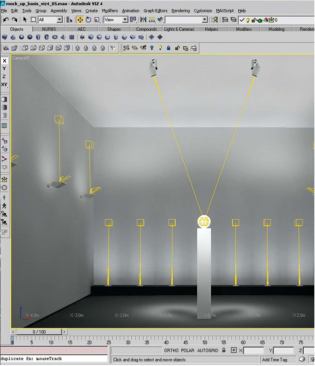
Green and sustainable products come in many forms and exist for … Green and sustainable products come in many forms and exist for every part of a building: inside, outside, and within the ceilings, floors, and walls. Some, like ERCO Virtual Luminaires, can be used before the first shovel breaks ground. Others are among the last things to be put in place. PRODUCT: ERCO Virtual Luminaires WHAT IT IS: Virtual luminaire models for digital lighting simulation ENVIRONMENTAL ASPECT: Simulation studies may prevent wasted energy from poor lighting solutions
PRINCETON ARCHITECTURAL PRESS
Green and sustainable products come in many forms and exist for … Green and sustainable products come in many forms and exist for every part of a building: inside, outside, and within the ceilings, floors, and walls. Some, like ERCO Virtual Luminaires, can be used before the first shovel breaks ground. Others are among the last things to be put in place. PRODUCT: ERCO Virtual Luminaires WHAT IT IS: Virtual luminaire models for digital lighting simulation ENVIRONMENTAL ASPECT: Simulation studies may prevent wasted energy from poor lighting solutions
Princeton Architectural Press
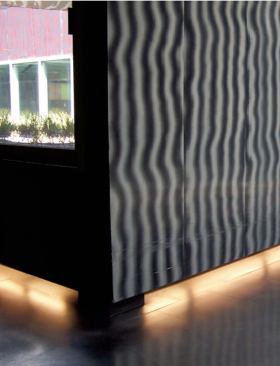
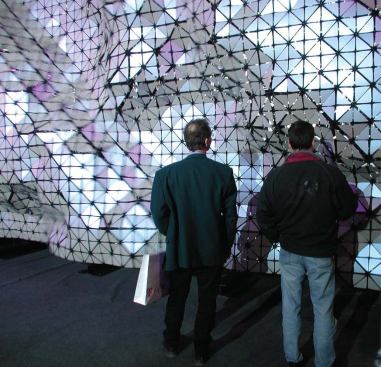
Aegis Hyposurface: Environmentally responsive architectural surf… Aegis Hyposurface: Environmentally responsive architectural surface. Applications: Interactive art, feature wall
Princeton Architectural Press
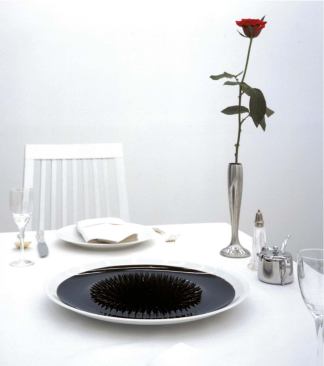
Protrude, Flow: Magnetic fluid art. Applications: Exhibits, inte… Protrude, Flow: Magnetic fluid art. Applications: Exhibits, interactive art
Princeton Architectural Press
Wood.e: Electrified preformed wood. Application: Furniture
Princeton Architectural Press
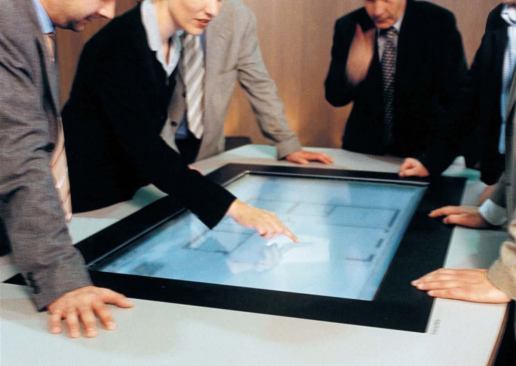
Interactable: Interactive table. Applications: Conference rooms,… Interactable: Interactive table. Applications: Conference rooms, showrooms, exhibitions
NBBJ
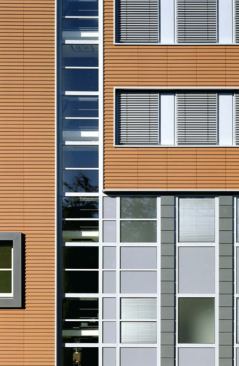
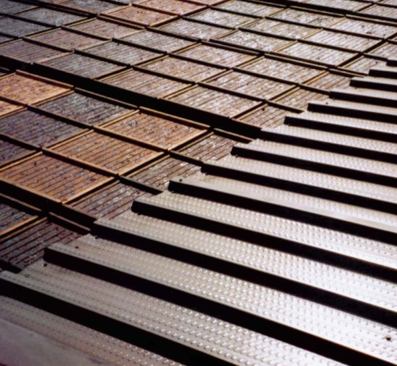
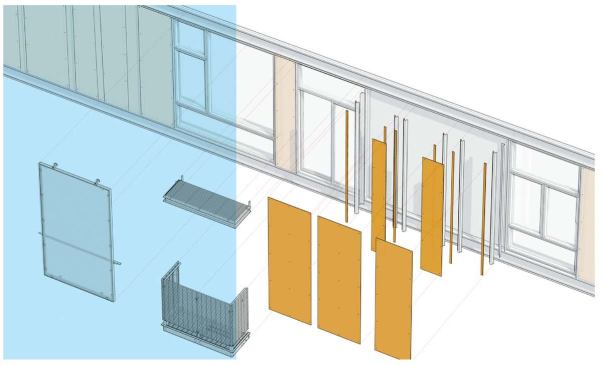
Richlite, the brown panels in the illustration above, was chosen… Richlite, the brown panels in the illustration above, was chosen as the cladding for Alley24's housing/retail building, in part because it resists mold so well.
NBBJ
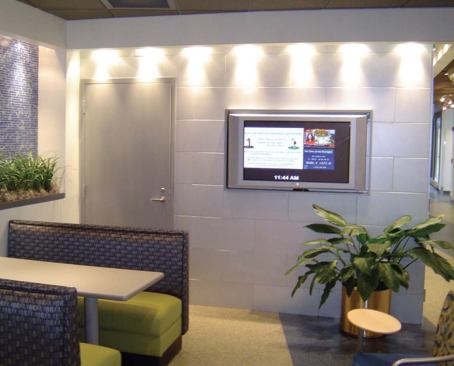
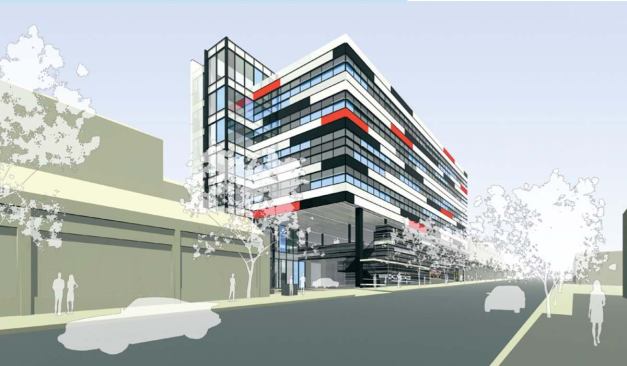
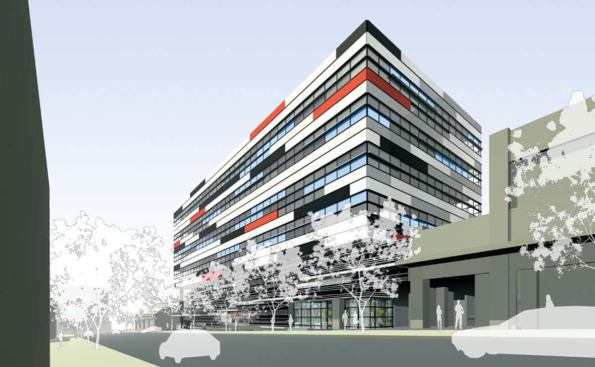
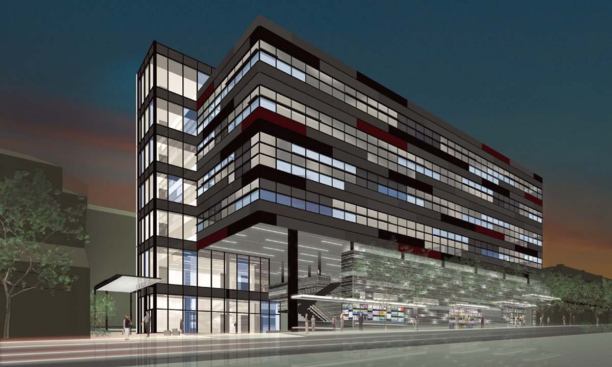
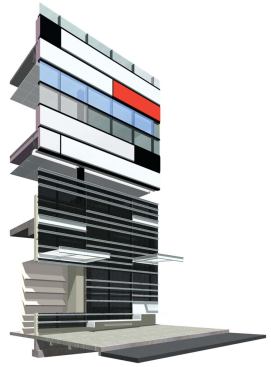
The University Center Office Building incorporates a number of p… The University Center Office Building incorporates a number of products in its façade.
NBBJ
The University Center Office Building incorporates a number of p… The University Center Office Building incorporates a number of products in its façade.
NBBJ
The University Center Office Building incorporates a number of p… The University Center Office Building incorporates a number of products in its façade.
NBBJ
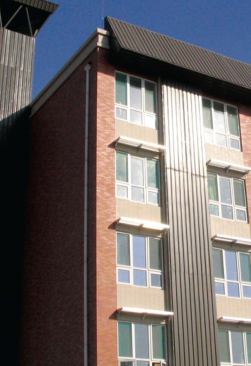
The University Center Office Building incorporates a number of p… The University Center Office Building incorporates a number of products in its façade, including clear, tinted, and reflective glazing; insulated metal panels; and perforated steel panels. Brownell wants to make use of reused or recycled materials whenever and wherever possible.
Applied Knowledge
Alley24, Seattle
Located in the South Lake Union neighborhood, Alley24 is a 381,000-square-foot project designed by NBBJ. The two-building, city block–sized development is among Seattle’s first mixed-use projects to be built under the U.S. Green Building Council’s Leadership in Energy and Environmental Design (LEED) standards.
Brownell and Andrew McCune led the team that designed the housing/retail building’s façade. In the process of researching cladding materials, McCune suggested Richlite, a resin-impregnated, paper-based material frequently used for interior applications. The beauty of Richlite, says Brownell, is that it requires no labor-intensive finishing, is highly durable, and can be cut to precise dimensions at the factory. Also, it comes from Forest Stewardship Council–certified sources and contains low volatile organic compounds.
After testing by NBBJ to ensure LEED compliance and local building code conformity, Richlite was specced for the 180-unit building. It is the first time the product has been used on such a scale.
University Center Office Building, Seattle
The University Center Office Building is a 50,000-square-foot structure that would be built atop an existing parking garage. The land, which has been in one family’s possession for decades, was previously home to Chevrolet and Mazda dealerships.
NBBJ’s proposal is an attempt, says Brownell, who leads the design team, “to connect the history of the site … with the design character and materiality of the building.” How would this be accomplished? The façade, with its multiple glass types, colored metal panels, and LED light sources at the garage level, would be an abstract representation of the automobile in the urban setting, suggesting energy and movement. On a more literal level, Brownell says he is “passionate” that NBBJ make use of reused/recycled car materials in the building’s construction, “particularly in the metal façade panels, glazing, screen elements, and even flooring (recycled tires, plastics).”
Still on the boards, the project has received enthusiastic support from both the client and the University District community.