
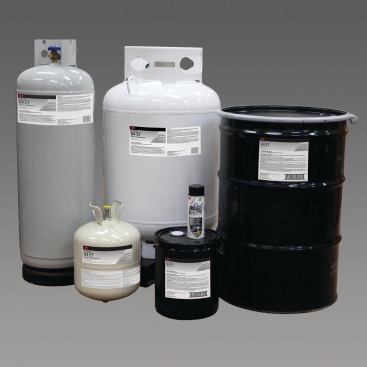
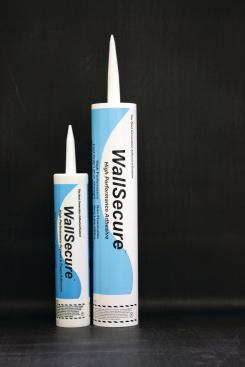
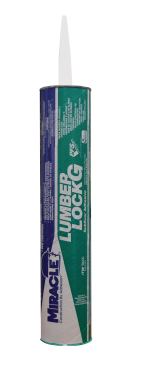
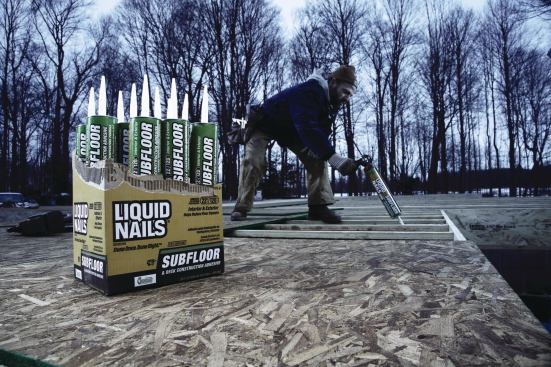
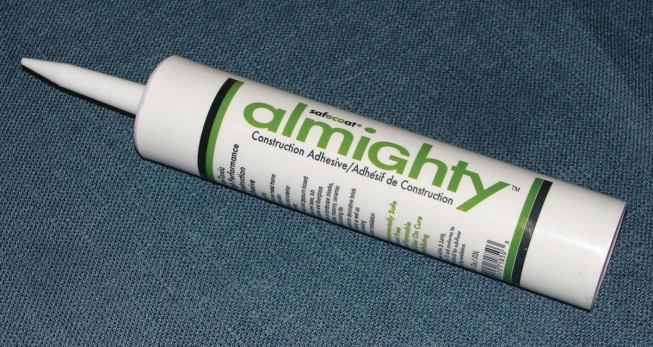
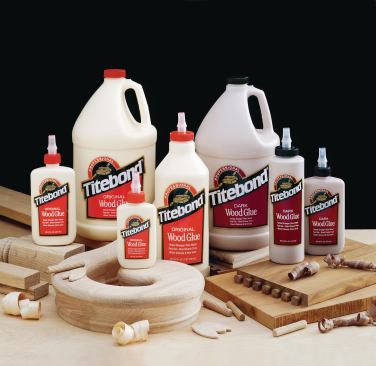
3M. The company’s Hi-Strength 94 ET Spray Adhesive is a high-s…
The Adhesives and Sealants Council has been working with its members on exploring and defining for themselves what sustainability means for their industry. This article focuses on occupant health aspects as something that should be a non-negotiable first step, but there’s a whole chemical supply chain to pay attention to as well. Manufacturers that use green chemistry principles and other innovations to reduce the life cycle impacts of their manufacturing and supply chain should be lauded—although until there is consistent comparable reporting through things like an Environmental Product Declaration, it can be hard to tell whether a company’s broader “sustainability” claims are worth applauding.
To find the best adhesives amongst what’s available today, use this guidance:
1. Consider the total assembly in evaluating greener options, including whether alternative fasteners or releasable adhesives may be appropriate.
2. Use the right adhesive for the job while seeking out greener adhesives. Ask the substrate manufacturer for compatible adhesives that have both low-VOC content and are certified to CDPH 01350 through one of the certifications covered above.
3. Ask for adhesives that do not contain hazards of high concern. Review the MSDS, but ask for assurance beyond that. You may not get it, but asking lets manufacturers know it’s relevant to the market. For hazardous ingredients other than carcinogens, manufacturers’ safety sheets don’t have to list anything present below 1% (10,000 ppm) of the total by weight—and, yes, smaller concentrations of certain chemicals of concern do matter.
Most important, use the information you receive in purchasing decisions. Adhesive advances over the past decade show how industries will respond to consumer and regulatory requirements—but many manufacturers are unlikely to stick their necks out much further than consumers demand.
Jennifer Atlee is research director for BuildingGreen, publishers of The GreenSpec Directory and Environmental Building News.
Rating System Credits
Energy Star 3.0 with Indoor airPLUS
Requires that carpet adhesives meet Green Label Plus or Green Label testing program criteria (documentation required, certification optional). There are no requirements for other types of adhesives and sealants.
LEED for Homes 2008 MR2
Credit for adhesives and sealants that meet SCAQMD #1168 requirements for VOC content (limits differ by type).
Draft LEED for Homes 2012 EQ
The latest draft gives credit if site-applied adhesives and sealants meet CDPH 01350 (for which there are numerous certifications).
ANSI National Green Building Standard
Credit if a minimum of 85% of site-applied adhesives and sealants meet either CARB limits (versus SCAQMD for LEED) for subfloors or exterior installation, or are certified to CDPH 01350 for interior installations.