The modern era of design awards began in the post-World War II period, when industrial design and architecture gained unprecedented cultural and economic importance. The Good Design Awards, launched in 1950 by the Chicago Athenaeum with visionaries like Eero Saarinen and Charles and Ray Eames, marked one of the earliest efforts to celebrate design as both a professional and cultural force. Europe quickly followed with the iF DESIGN AWARD in 1953, emerging from Germany’s postwar design renaissance as a platform to elevate industrial design excellence and foster international collaboration. Italy added its own milestone in 1954 with the Compasso d’Oro, under the guidance of Gio Ponti and the ADI, showcasing Italian innovation and craftsmanship.
As design expanded beyond products into branding, sustainability, and digital experiences, new awards reflected this evolution. The IDEA Awards (1980) in the United States tied industrial design to business innovation, while the UK’s D&AD Awards (1962) became iconic for graphic design, advertising, and creative excellence. In the late 20th and early 21st centuries, global platforms like Core77 Design Awards, A’ Design Awards, German Design Awards, and UX Design Awards embraced emerging disciplines from speculative design to user experience. Architecture gained its own global honors with the Pritzker Prize (1979) for lifetime achievement and the World Architecture Festival Awards (2008) for cutting-edge projects.
Yet among them all, the iF DESIGN AWARD remains the oldest continually running international design competition and arguably the most influential—its rigorous, transparent jury process, massive global reach, and early emphasis on sustainability have set the benchmark for what design excellence means across industries and continents.
For over 70 years, the iF Design Foundation, a German non-profit, has championed innovation, transparency, and objectivity in design. Since 1953, it has elevated the social and cultural significance of design through initiatives like the iF Design Trend Report and iF DESIGN AWARD, which in 2025 drew nearly 11,000 submissions from 66 countries.
The numbers underscore why the iF DESIGN AWARD remains one of the most coveted design accolades in the world: it is global in scope, fiercely competitive, and guided by rigorous principles of evaluation.
Lauded as the largest independent design competition in the world, the iF DESIGN AWARD is known for its transparent, two-stage jury process contributed to by 131 world-renowned design experts. Together, they pore over work that spans 82 categories across nine design disciplines – Product Design, Packaging, Communications & Branding, Service & Systems Design, Architecture, Interior Architecture, User Interface (UI), User Experience (UX), and Concepts – demonstrating the impact of thoughtful design across industries and applications.

U.S.-based participation in the iF DESIGN AWARD 2025 reached an all-time high, showcasing exceptional projects from leading brands and innovative studios nationwide. iF DESIGN AWARD 2025 Gold winners included standout U.S. entries from Apple, IBM, and Harvard University.
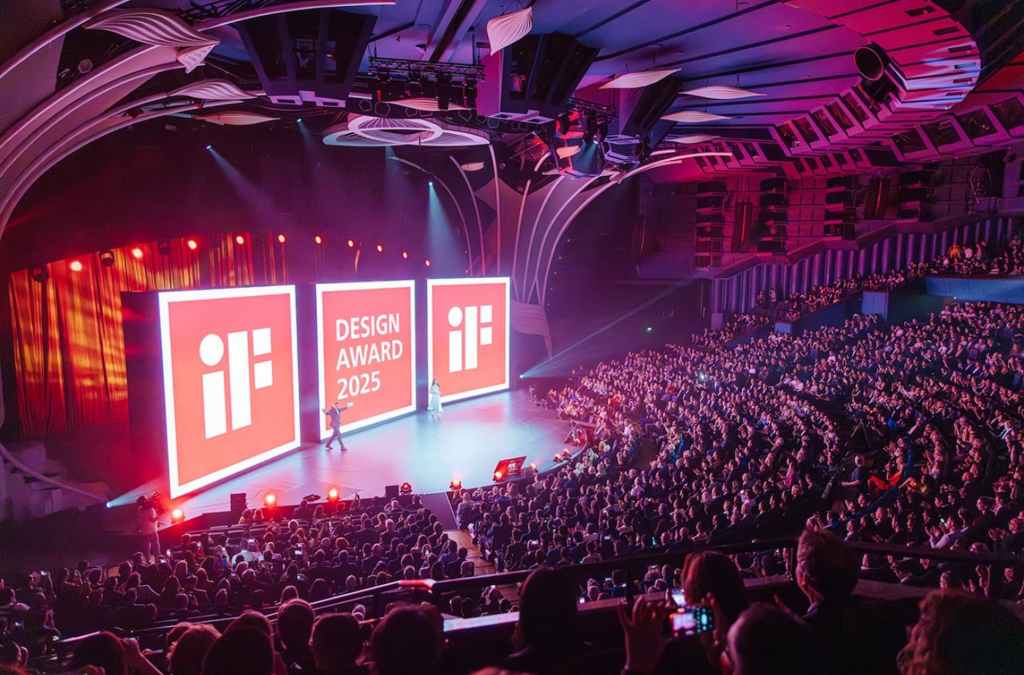
On a radiant evening, the baroque grandeur of Berlin’s Friedrichstadt Palast—Europe’s largest theater—set the stage for a celebration of design excellence. More than 2,000 guests from 50 nations gathered as the 72nd iF DESIGN AWARD honored 75 Gold-winning projects across disciplines from architecture and product design to UX/UI and communication.
But this was more than an award show. It was a manifesto on the power of design to shape society, launch new ideas, and elevate global discourse.
A Legacy of Excellence and Impact
The iF DESIGN AWARD 2025 garnered nearly 11,000 submissions from 66 countries, highlighting its global reach and prestige. The Final Jury took place in Hamburg and featured 131 independent design experts representing 23 nations—a remarkable assembly of industry leaders forming the broad and diverse judging panel.
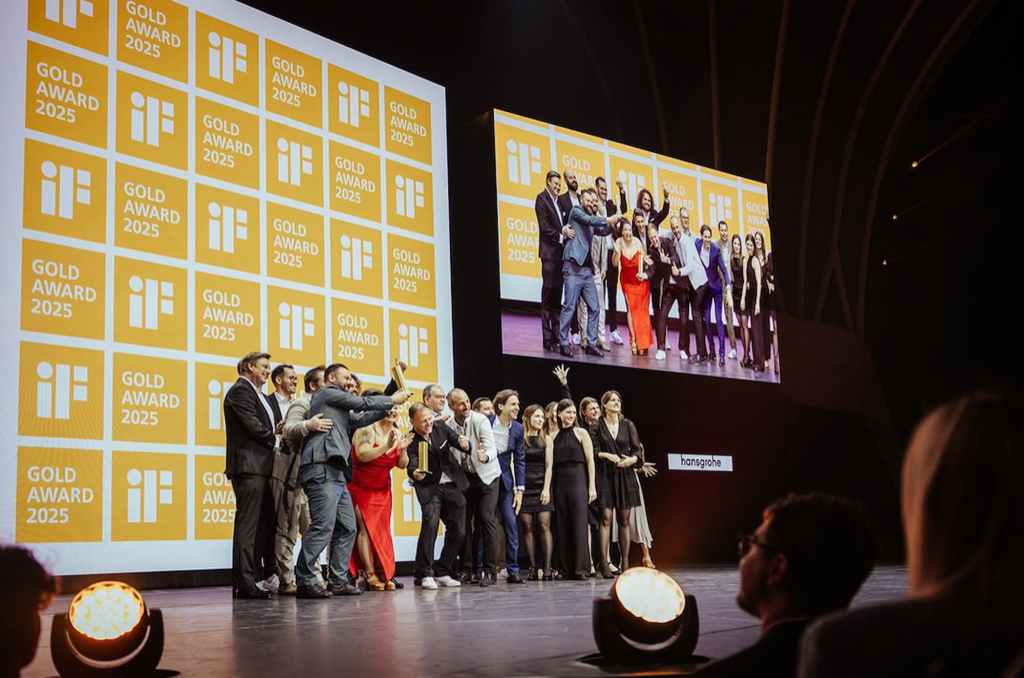
From this refined selection, 2,211 award winners were chosen, spread across 9 disciplines and 82 categories, and originating from 50 different countries. Of these, 75 standout entries received the coveted Gold Award, representing the pinnacle of achievement across fields such as product design, communication, packaging, service, architecture, interior design, UX, UI, and professional concepts. The judging criteria emphasized five key dimensions—idea, form, function, differentiation, and sustainability—with sustainability now playing an equally important role alongside the other considerations.
Sustainability now makes up 20% of the judging criteria across all categories, underscoring iF Design’s commitment to design as a force for social and environmental good. Each entry is assessed through a comprehensive framework that weighs ecological and social impact alongside innovation, form, functionality, and uniqueness.
“We are seeing progress, and we have also taken a major step in the right direction this year,” says Lisa Gralnek, iF Design Global Head of Sustainability and Impact. “For us, sustainable design includes social and environmental aspects. Almost every country has its own rules and definitions when it comes to sustainable design. Here we are looking for a lifetime circle and for reparability. However, our motto is: we are committed to award good, not punish bad.”
Global Highlights: Winners, Nations, and Innovation
The 2025 Gold winners represented a spectrum of innovation. While the full list of nine Gold winners in architecture was not publicly available at press time, they stood among the most competitive projects from thousands of submissions worldwide. They include:
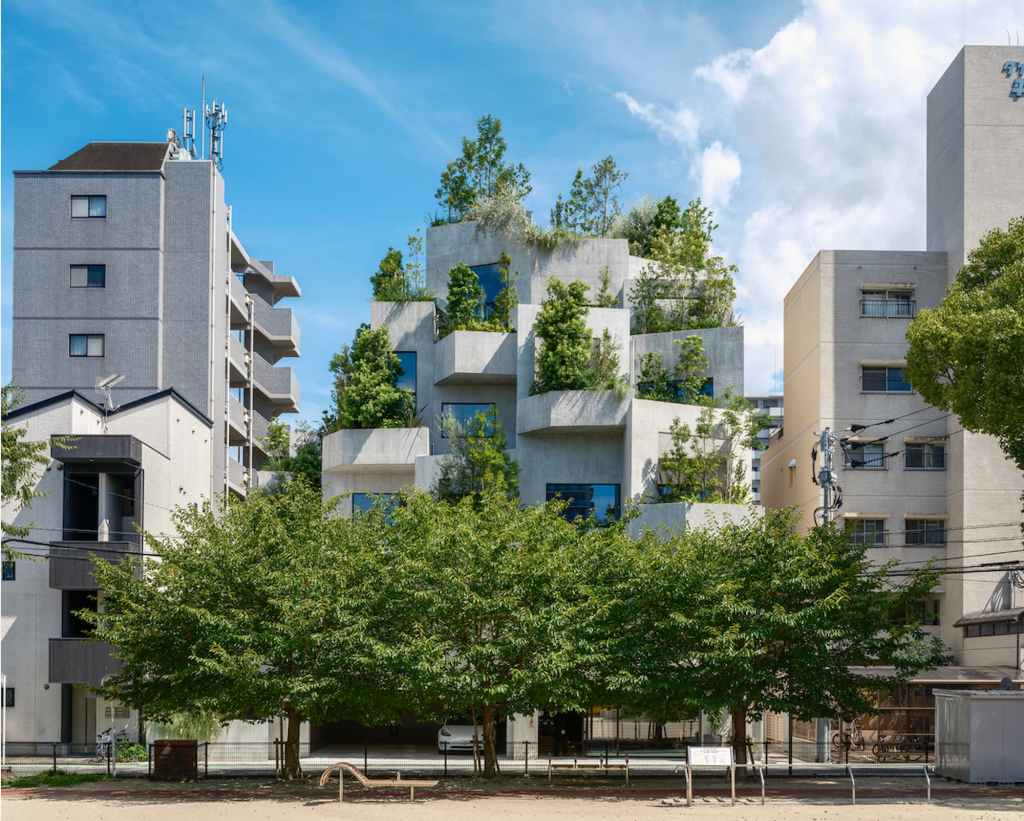
“Not A Hotel Fukuoka” urban condominium, designed by the Good Life & Travel Company, is a three-dimensional urban space accommodating diversity of lifestyle where each house has a different concept, instead of a single large structure.
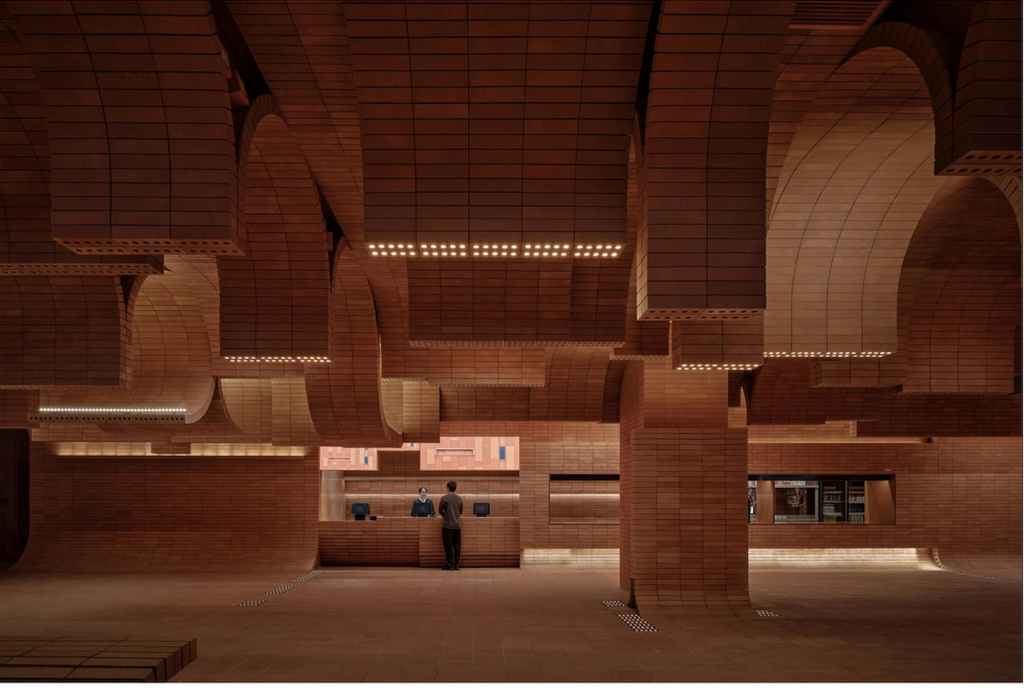
Haikou Gaokingli Insun Cinema, designed by One Plus Partnership, created a space by using bricks to create beautiful yet durable spaces.
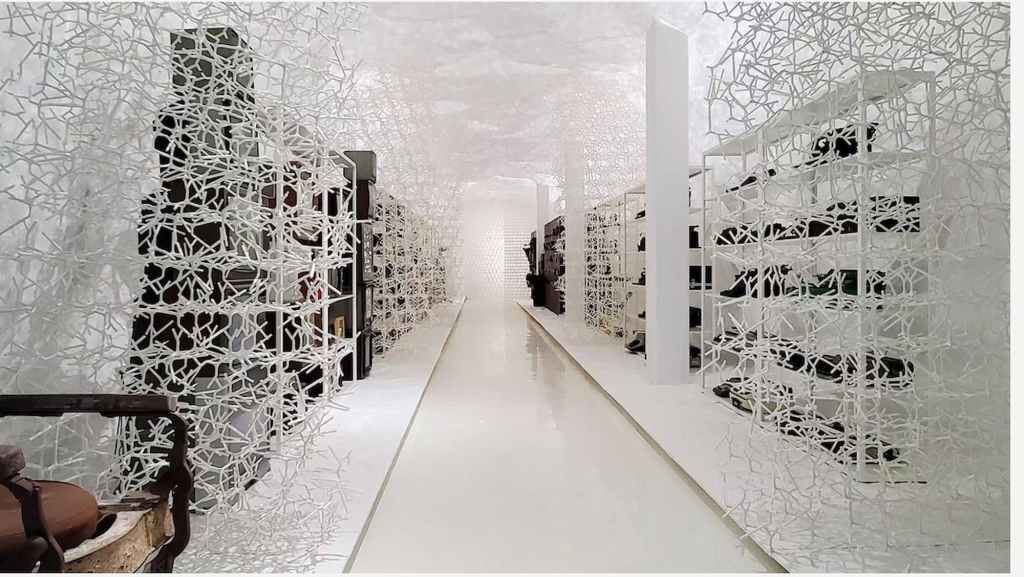
The Yang Design Museum is the first private industrial design museum in China, with thousands of items collected by the museum’s founder, industrial designer Yang Mingjie.
In the U.S., innovation shone brightly in product design. nwm ONE wireless open-ear headphones by NTT’s “nwm” brand claimed a Gold Award, praised for blending minimalist aesthetics with a concept of shared listening rather than isolation—a design that marries technology with human-centered thinking.
Across regions, Japan, Italy, Taiwan, South Korea, and the United States dominated the Gold rankings, underscoring the awards’ truly global stage.
A Night of Icons: Norman Foster Honored

One of the biggest highlights of the awards event was hearing from the renowned English architect, Lord Norman Foster, who received the iF Design Lifetime Achievement Award. iF Design’s highest individual honor, the Lifetime Achievement Award recognizes a visionary designer whose work has shaped the global industry. From the Reichstag Dome in Berlin to London’s Gherkin, Foster’s work embodies architectural ambition fused with social purpose.
In a moving speech, Foster said: “Design is the very essence of the quality of our lives!”
Additionally, he reflected on the symbolism of his work on Berlin’s Reichstag dome, noting how it invited light into a historic seat of power—transforming it from a symbol of division into one of democracy and unity. Also, in a separate thoughtful reflection, he remarked: “If you’d like to look far ahead, first look far back—then be aware that you’re designing for the present, but also for the future.”
Beyond the Awards: Trend Conference and iF DESIGN ACADEMY
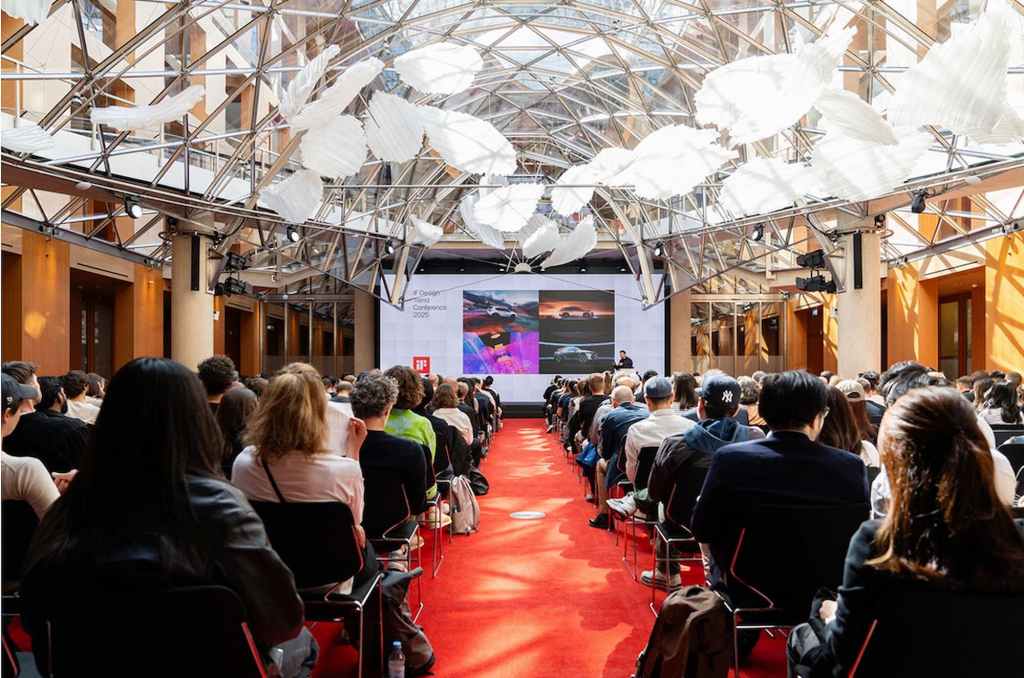
The celebrations continued the next day at Frank Gehry’s AXICA building near Brandenburg Gate, where over 500 designers and thought leaders gathered for the iF Design Trend Conference. Timed with the release of the 2025 iF Design Trend Report, the conference explored topics ranging how new technology and AI can speed up the process and allow for creative exploration in addition to how disruptive technologies like AI could redefine the way we work in times of rapid cultural and technological transformation.
Finally, the most forward-looking announcement was the launch of the iF DESIGN ACADEMY in September 2025. Designed for mid- and senior-level design leaders, its curriculum will focus on three pillars:
The iF DESIGN ACADEMY is a newly launched educational initiative by iF Design, famous for the globally recognized iF DESIGN AWARD. Set to begin in September 2025, the Academy offers high-level, international training programs tailored specifically for mid- to senior-level design professionals looking to elevate their leadership capabilities. The Academy’s mission is clear: to reinforce design leadership through a focus on Business Understanding (strategic and economic acumen), Personal Growth (leadership, emotional intelligence, resilience), and Future Literacy (navigating global trends, technological shifts, and societal changes).
Its course catalog includes offerings such as Design Leadership Studio 01 (for aspiring managers), Studio 02 (for experienced leaders), Leading Beyond Design, Expanding Organizational Influence, and Elevating Your Design Team. These modules are delivered in English with interactive live-online sessions, and in-person formats are expected to roll out starting in 2026.
Faculty members include internationally recognized experts spanning design, business, and academia, offering participants not just practical learning but also a powerful global network to exchange ideas and experiences
In essence, the iF DESIGN ACADEMY represents the next evolution of iF Design’s role—from awarding design excellence to actively shaping its future through leadership education. By offering focused, value-driven courses that blend strategic insight, personal development, and forward-thinking, the Academy enables seasoned design professionals to lead with greater purpose, impact, and adaptability in an ever-changing world.
Delivered in hybrid formats across Germany, the U.S., China, and South Korea, the academy will unite global professionals under one mission: advancing socially conscious, strategically informed design leadership.
Registration for 2026 Now Open
Designers eager to join this legacy can already submit entries for the iF DESIGN AWARD 2026. Deadlines are:
- Regular: September 26, 2025
- Last Chance: November 5, 2025
Designing a Future Worth Living
As the Berlin gala ended and guests departed, one message endured: the iF DESIGN AWARD is not just about recognizing beautiful objects. It is about elevating design as a catalyst for innovation, sustainability, and human progress.
With the 2025 Gold winners setting new standards and the iF DESIGN ACADEMY poised to cultivate future leaders, the iF Design Foundation continues to prove that design doesn’t just respond to society—it helps shape it.