The Kew Royal Botanic Gardens, located in the UK, recently released the first annual State of the World’s Plants report, which provides a baseline assessment on the state of plants and vegetation all over the world. The one of a kind report is a joint effort of more than 80 scientists over the course of 2015.
“This is the first ever global assessment on the state of the world’s plants,” said Kathy Willis, Kew’s director of science at the Royal Botanic Gardens, in a statement. “I find this remarkable given the importance of plants to all of our lives– from food, medicines, clothing, building materials and biofuels, to climate regulation. This report therefore provides the first step in filling this critical knowledge gap.”
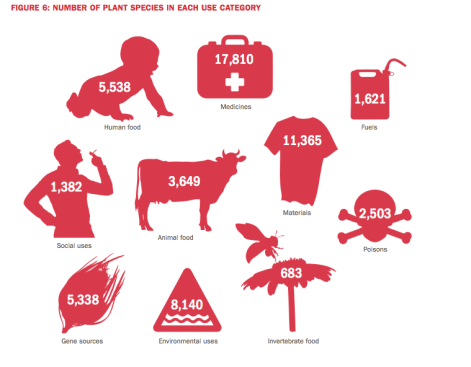
image via The Kew Royal Botanic Gardens
There are currently 391,000 vascular plant species known to science, the report finds, and at least 31,128 plant species are found to be useful plants that fulfill a particular need for humans, animals, or the wider environment.
Important vegetation areas have been identified globally, but very few currently have conservation protection. Many important areas–where there are an incredible quantity and diversity of plants– are degrading or even disappearing entirely due to human behaviors, including land-use change, climate change, pests, and diseases.
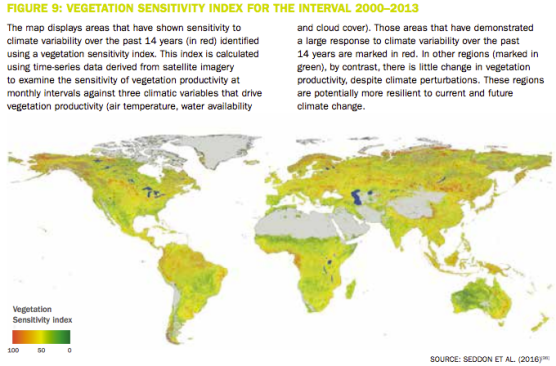
image via The Kew Royal Botanic Gardens
According to the report, the surface of the planet is warming each year at an average rate faster than any trend seen in the past 1,400 years. As more than 10% of the earth’s vegetated surface is highly sensitive to climatic variability, about one in five plants in the world will be threatened with extinction without proper solutions.
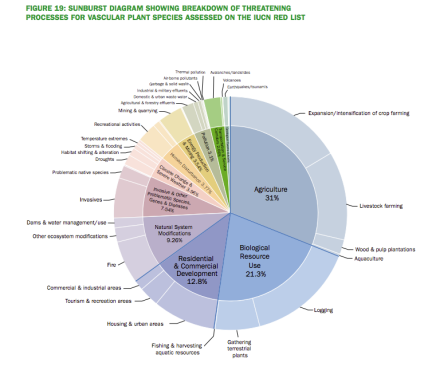
image via The Kew Royal Botanic Gardens
The Nagoya Protocol, a transparent legal framework adopted by international entities, was created in October 2010 to preserve the plant diversity and tackle unauthorized use of biological resources. So far, the Nagoya Protocol has been ratified by 74 parties, including the U.S., which joined in March, 2016.
Read the full report here>>