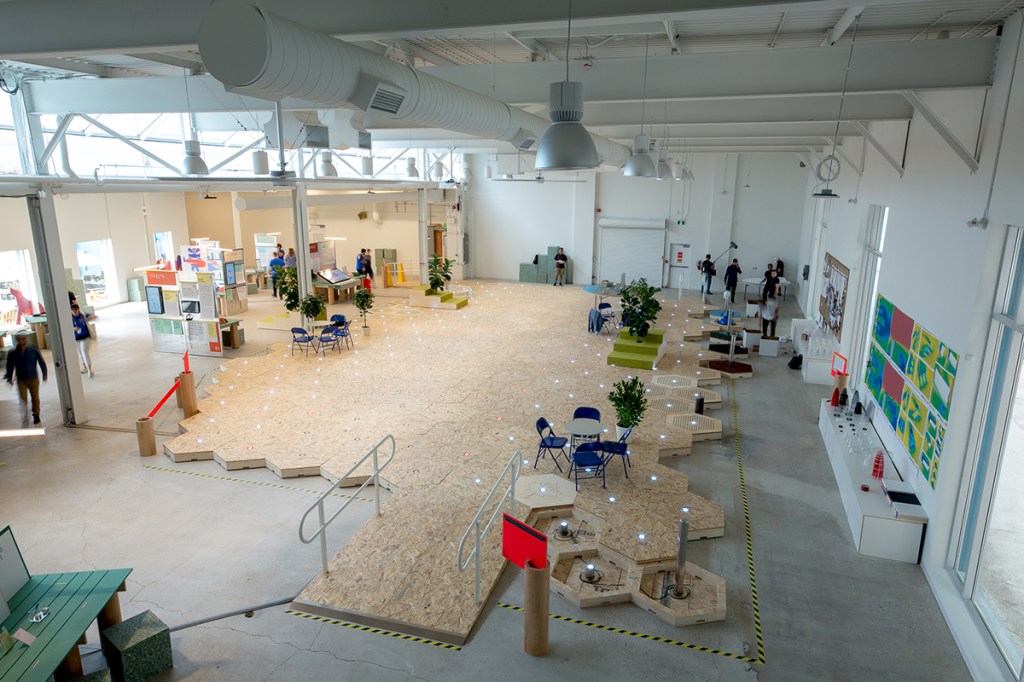
International design and innovation firm Carlo Ratti Associati (CRA), in collaboration with Toronto-based Sidewalk Labs, has designed Dynamic Street, a modular prototype of a reconfigurable paving system that, according to CRA, could potentially make streets safer and more accessible to pedestrians. An installation showcasing this prototype is currently on view at 307, Sidewalk Labs’ central office in Toronto.
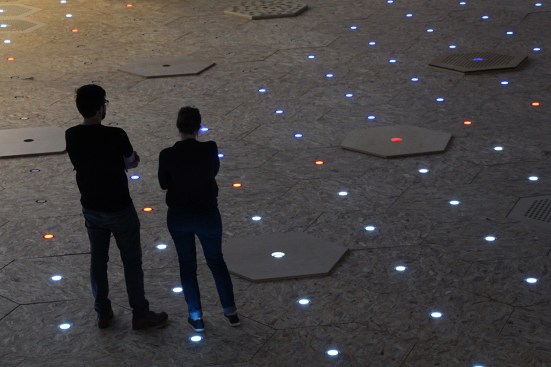
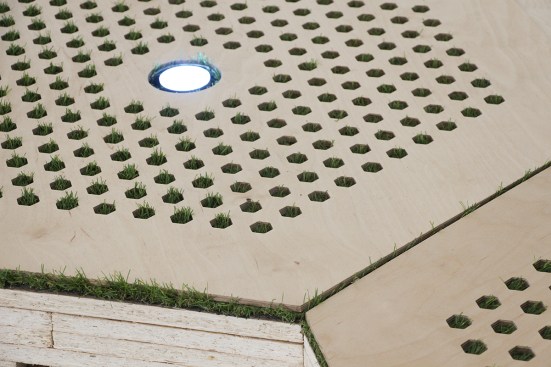
Offering an alternative to the current traffic systems, signs, and street markings, this adaptable road structure uses embedded lights to distinguish various traffic zones. Due to its modular design, each section of pavement can be easily moved around or replaced. For example, the system could “create an extra car lane during rush hour but then [turn] into a pedestrian-only plaza in the evening,” according to a CRA press release.
David Pike
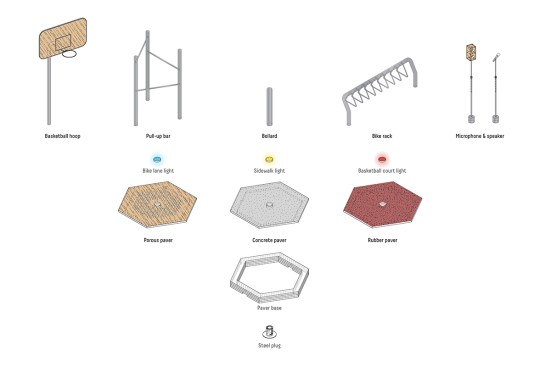
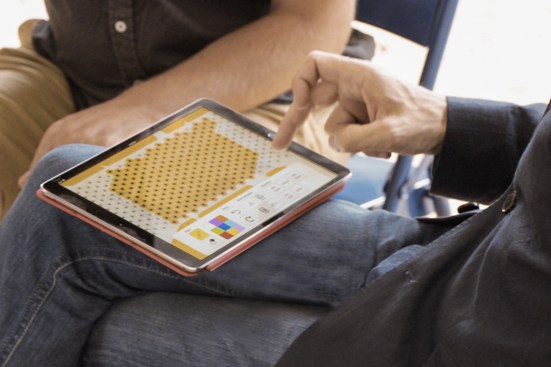
Made up of 232 hexagonal pavers, each measuring 4 feet in diameter, the installation is assembled over a 2,500-square-foot surface, simulating a 36-foot-wide street. Some tiles feature a plug-and-play system that demonstrate the potential for vertical structures, such as bollards and poles, to be easily installed on the pavers. Visitors to this exhibition can engage in creation of the Dynamic Street by modifying the system through a digital application.
Sidewalk Labs and Carlo Ratti Associati
David Pike
“The Dynamic Street creates a space for urban experimentation,” CRA founder Carlo Ratti said in a press release. “With this project, we aim to create a streetscape that responds to citizens’ ever-changing needs.”
“As autonomous vehicles are likely to start running on streets soon, this project helps us to imagine a more adaptable road infrastructure,” CRA project manager Emma Greer said in the same release. “Self-driving cars will change both the number of lanes and the amount of parking we will need. The Dynamic Street explores a flexible platform that allows people to see how technology can evolve and respond to different conditions.”
David Pike
These modules are currently made of wood, but the team expects to have them made of more durable materials such as concrete or rubber in the future.