MOMA
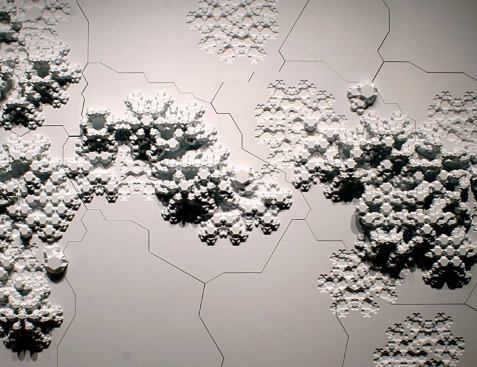
Automated algorithms drive Rules of Six, a sculpture by New York…
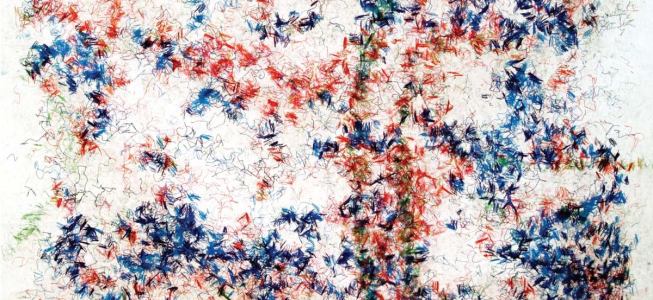
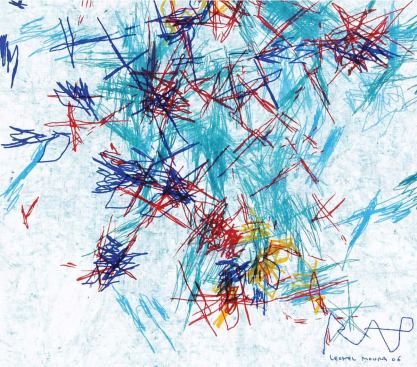
Portuguese artist Leonel Moura combines artificial intelligence and robotics to make “nonhuman art.” At the American Museum of Natural History in New York, his Robotic Action Painter (RAP) follows statistical standards of composition and color to make original ink drawings, complete with a signature. Moura also has written algorithms to generate architectural forms by mimicking the emergent behavior of ant colonies.
The Brookline, Mass.–based team of designer-engineer Ira Spool and artist Anna Tsypin created an Automated Architecture Robot that can carve a unique 1:50 scale model out of a block of ice—a cybernetic igloo. The robot was shown in 2003 at ArtBots, an annual robot talent show. (This year’s ArtBots takes place in Dublin, Ireland, Sept. 19–21; visit artbots.org.) Spool and Tsypin call automatic design “the ultimate direction of architectural advancement.”
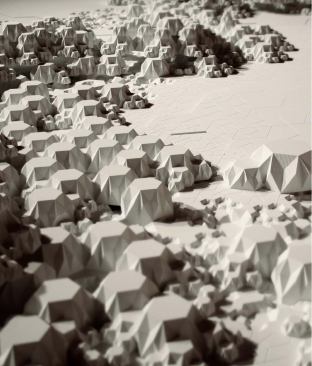
And the work of New York–based architectural designers Benjamin Aranda and Chris Lasch often uses algorithmic techniques to produce new geometries based on natural processes. At The Museum of Modern Art’s “Design and the Elastic Mind” exhibit, which closes this month, their Rules of Six follows automated rules to emulate the growth patterns of nanostructures.
Moura feels the deterrent to automatic design is not technology but mindset. “To accept robot creations as artistic expression means to deny humans the exclusiveness of creativity, and many people are not willing to do this.” Designers may balk at the thought of giving up creative license, but replacing the napkin sketch with an algorithm might be the key to “building the way nature builds,” as Wright fantasized.
With its own kind of DNA, could architecture be grown instead of built? Already, sensors embedded in a building’s structure can measure vibrations and trigger actuators to temper the material and avoid damage. This kind of smart feedback can inform the next generation of design, much like biological evolution. Computer programs have reproduced virtually every trait we associate with life. When design follows suit, the results could be good for buildings and the environment but put architects and builders out of their jobs—unless they, too, evolve.
Lance Hosey is a director with William McDonough + Partners.