
Project Description
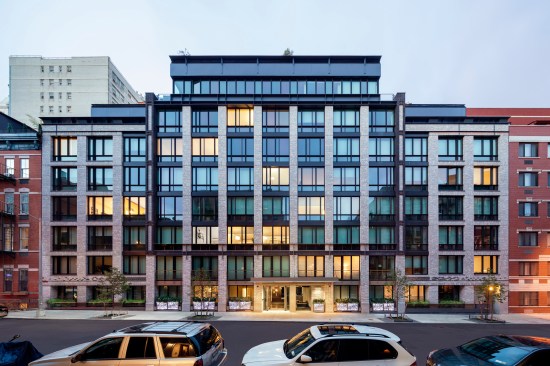
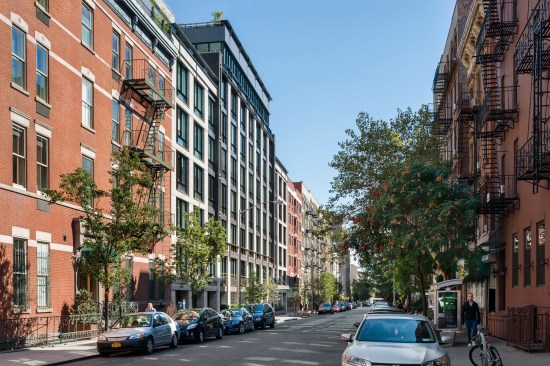
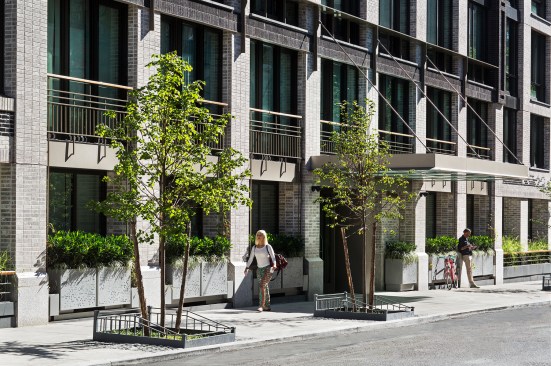
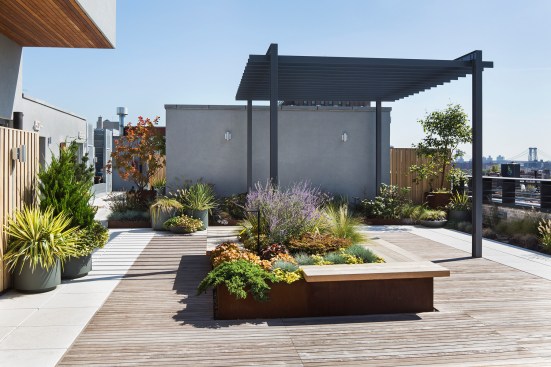
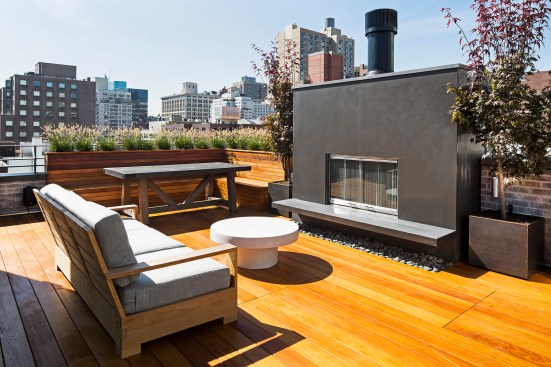
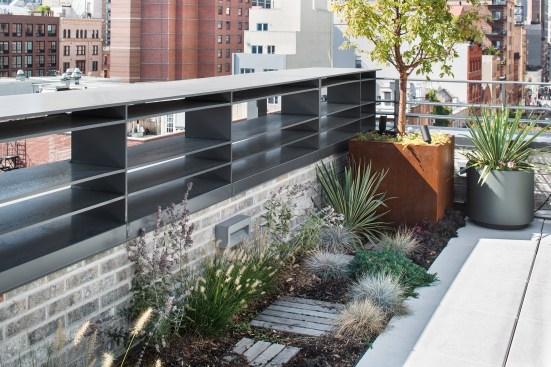
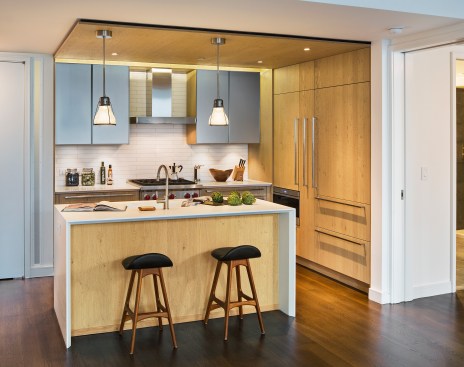
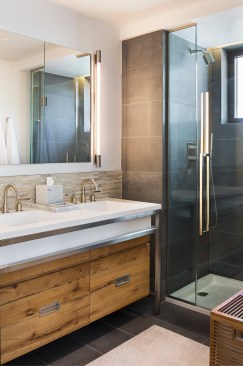
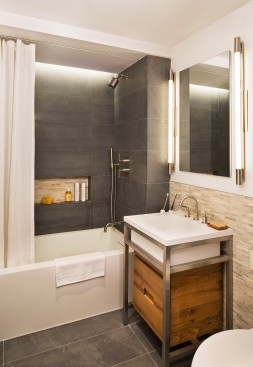
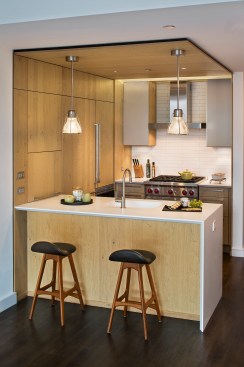
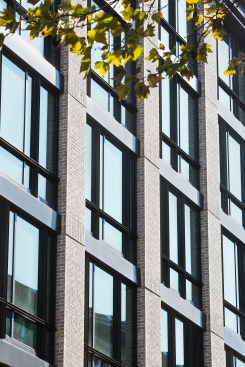
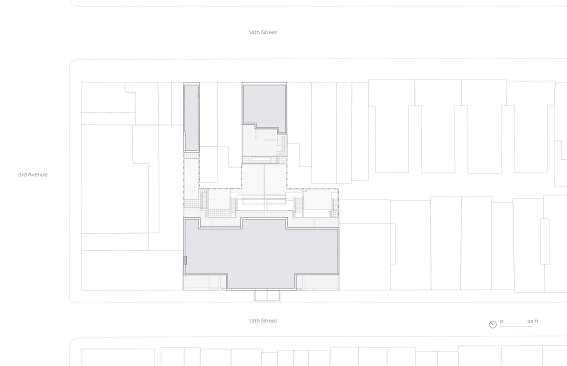
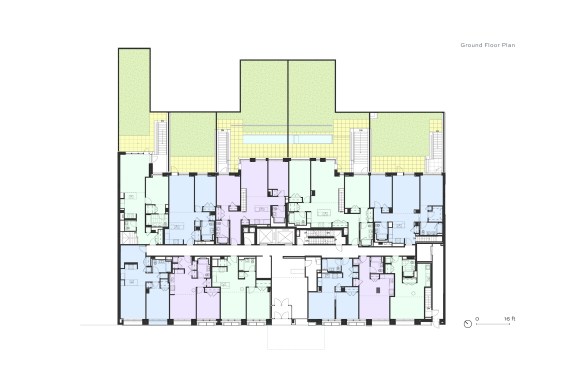
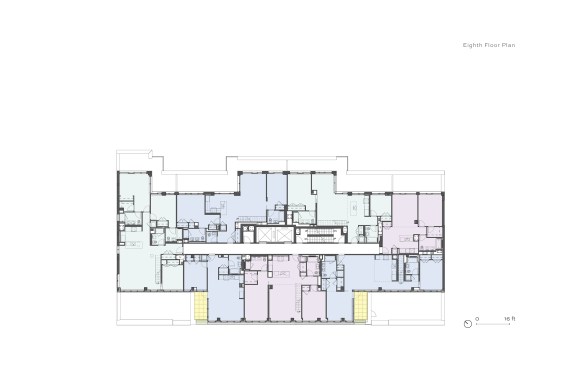
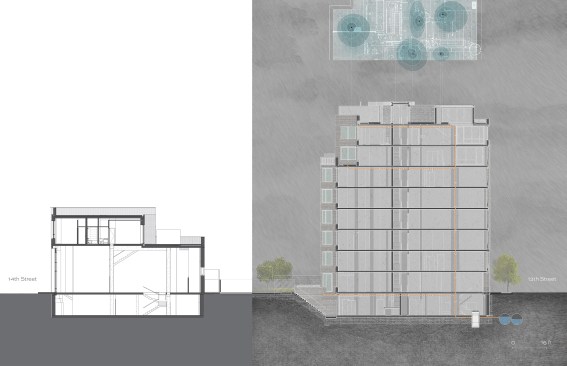
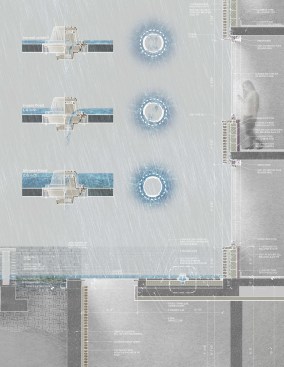
The Jefferson is a new multi-family building that demonstrates a neighborly approach to development in NYC’s East Village. This project is a successful model of an “urban steward project” as a result of responsible civic and environmental design. Formerly the site of the Jefferson Theater, a vaudeville theater that was demolished in 2000, this 115,000 square foot project is densely packed with 83 market-rate units ranging from studios to 3-bedroom penthouses. In addition to its 157’ wide facade on 13th Street, the development also fronts 14th Street with two low-scale commercial buildings. The design instills a strong sense of sustainability and stewardship with its residents. To create a building that would be a ‘supporting player’ to life on this block, the team closely studied the neighborhood’s scale, current ecological trends, and the expectations that come with contemporary New York living. For years after the theater’s demise, this block of 13th Street was challenged by the large and empty lot extending through to 14th Street where the main entrance had been. Now, a continuous street wall has been re-established and cornice lines re-enforced. The façade’s light mottled silvery brick bolsters a prevalence of white and red masonry in the neighborhood and establishes a shared visual language between the project’s two northern-facing commercial facilities on 14th Street with the residential building on 13th Street. Echoing the site’s former theatrical presence, this building’s center extends slightly out and above the rest of the block, creating a proscenium with a “play” of brick piers and varied window patterns within a painted steel frame. These thoughtful gestures result in The Jefferson complementing the area’s 19th century architectural vernacular while simultaneously offering a bold example of modern craft. This careful attention to detail extends to the interior. Each unit features custom-designed kitchen and bathrooms. Warm oak paneling on the walls and ceiling both disguises modern appliances and defines the volume of the kitchen. In the bathroom, vanities are composed of reclaimed barn wood set within a steel satin-nickel finished frame supporting a white Corian sink. All building materials were vetted by the team for aesthetic value, durability, cost, and multi-faceted impacts on both human and environmental health. Occupancy wellness is enriched by ample opportunities to connect with the natural environment from indoors. The project was awarded LEED points for “exemplary” performance for views – ensuring that residents are able to view greenery, the urban skyline and blue sky. Indoor air quality is enhanced by building materials vetted for aesthetic value, durability, cost, and multi-faceted impacts on both human and environmental health. The Jefferson also boasts ample outdoor space. Residents of the 7th and 8th floors benefit from terraces bordered by green roof planters, 2nd floor apartments feature Juliet balconies, and five ground floor apartments offer substantial backyards – a unique draw in a city with few ground floor residences in new developments. The building received LEED Gold certification in part due to stormwater credits, a rare accomplishment in an urban setting. This was made possible through the implementation the blue roof that can detain water for up to 24hours to help reduce overflow in the city’s drainage system (think rooftop bathtub); and a centrifugal action sediment separator that filters stormwater before it enters the municipal sewer system. The blue roof, which includes native plants and low-lying green roofs, is part of the 1,853 sf roof garden that is accessible to all building tenants. Other key sustainable qualities of the LEED Gold certified project include 72 bicycle spaces, a streamlined eight-sort recycling system, and high performance windows. The use of regional materials, the reduction of construction waste, and green power diversion all further contribute to the building operating as an urban steward. Notably, the team took the project from conception to completion in under three years, while maximizing the three-building site’s residential possibilities within allowable zoning restrictions.