
Project Description
Hong Kong Sludge treatment f
acilities is an incinerator for sludge associated with the production of
electrical energy based on water
vapor
. The project is part of the construction of a series of
infrastructural projects in the department of New Territories in Hong Kong, located far
from the high
density city neighborhoods. Both landscape and maritime context, the
land is situated between
vegetated mountains all along the year and the bay of the Sea which separates Hong Kong from
Shenzhen.
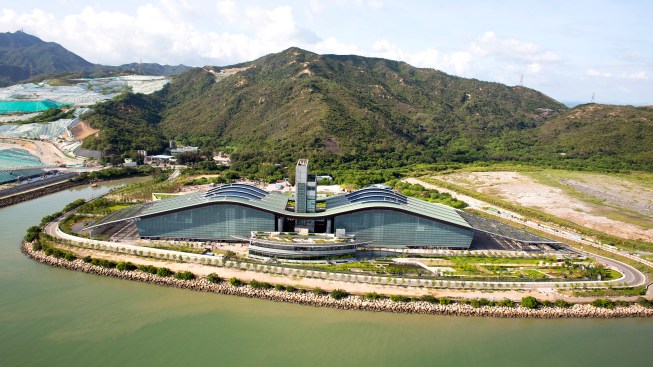
This context strongly influenced the morpho
logy of the project that seeks integration and harmony
with the surrounding landscape: a green wave, strong and understandable gesture, capable to bind
both poesy and imagination with the constraints of an industrial building. Between the two waves:
the op
erative and administrative offices, the cafeteria and the laboratories situated in the heart of
the industrial complex and benefiting all of views towards the distant landscape. On the top of the
tower is located the platform accessible to the public. It i
s from here that we can best see the
complex geometry of the roof which pays tribute to the soft surrounding landscape.
The incineration process situated in “the belly” of the roof building takes place along a chain,
according to various well defined stage
s: the collection and the storage of sludge, the chemical and
olfactory pretreatment and the incineration. Located in the heart, the 40m height incinerators mark
the high points of each wave.
At 2000 metric wet tones capacity per day, the plant is the lar
gest waste facility of its type in the
world.
Designed by
VASCONI
architects and engineers, this facility derives inspiration from the sea
and hills of Deep Bay and provides a distinct landmark along the north
–
west coast of Hong Kong.
Surplus energy gener
ated from the plant will be supplied to the national grid. This complex project
combines proven technologies with leading innovations in receiving and treating dewatered sewage
sludge from sewage treatment works.
But this project is more than an incinerati
on plant; it includes a reception with a large exhibition
space for the public where the incineration process and the sustainable development are explained.
It follows a learning path that allows visual contact with various processes that take place inside
the
plant. A spa, a café
–
bar area and a large public park are also available to visitors.
This pedagogy of transparency has a clear message: Heavy industrial processes are not in
contradiction with an environmental approach and are part of a necessary
step for the proper
functioning and sustainable infrastructure development of the city.