
Project Description
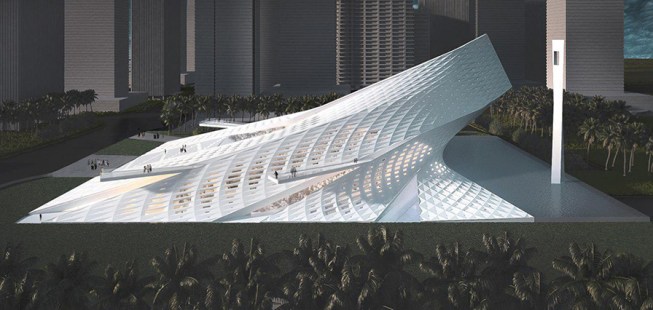
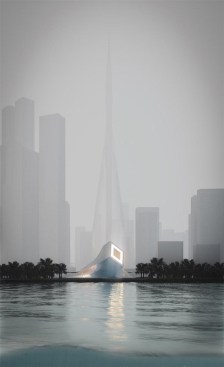
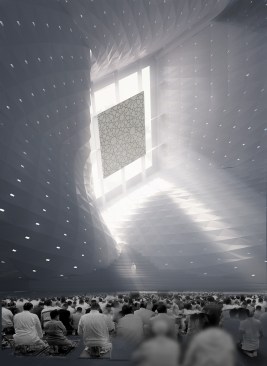
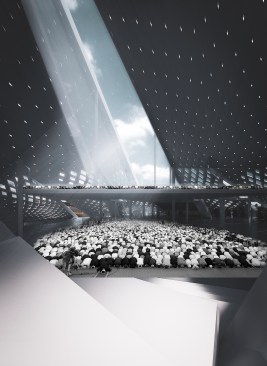
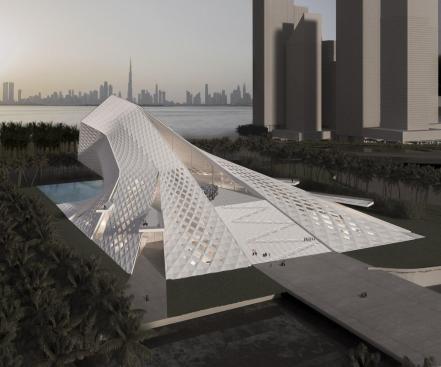
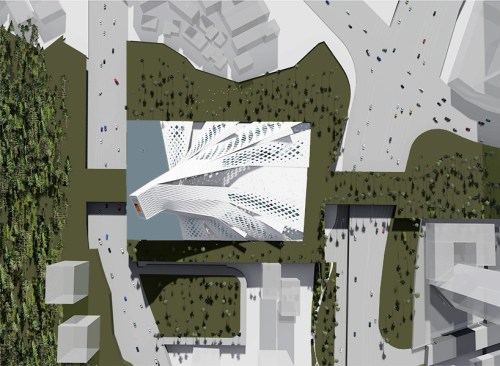
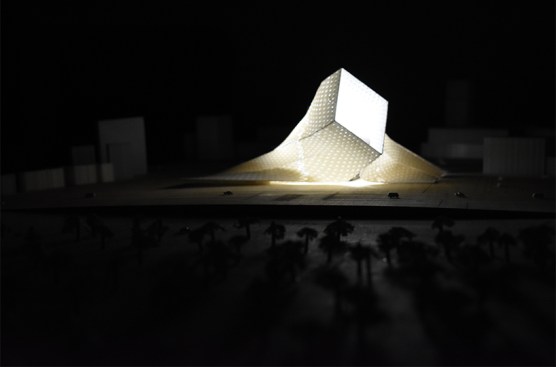
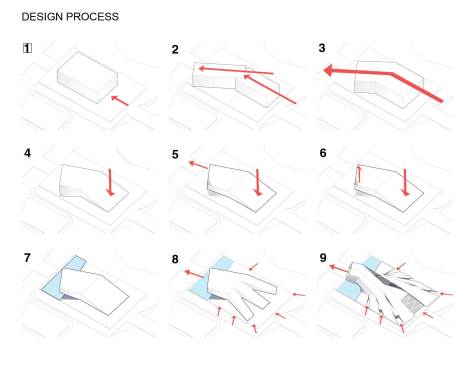
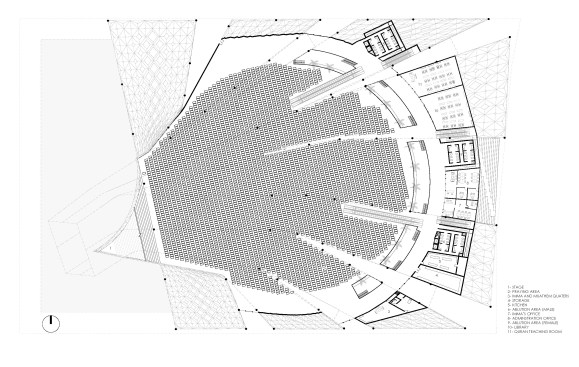
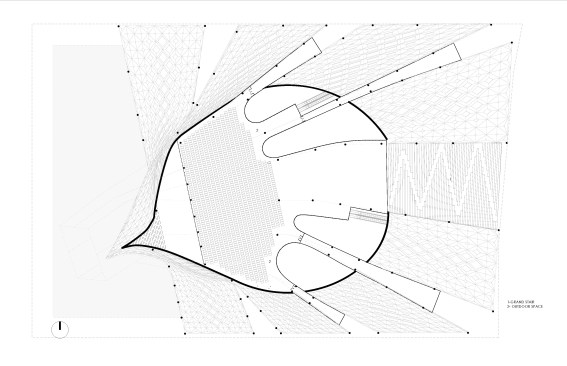
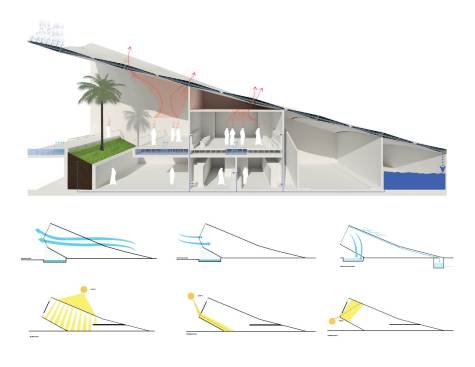
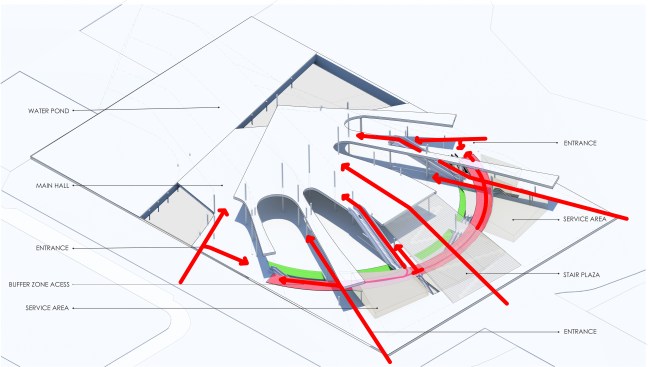
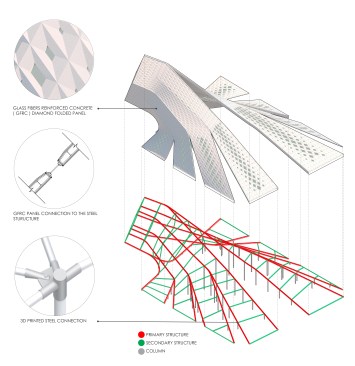
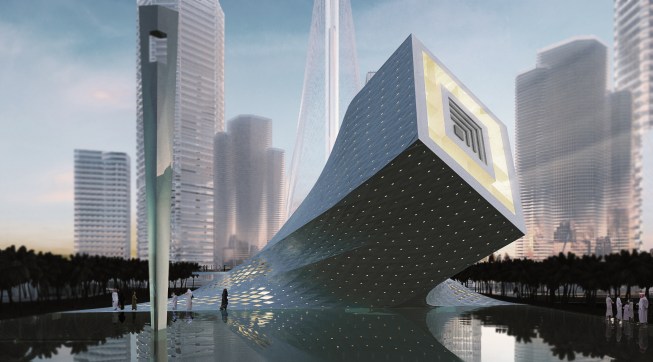
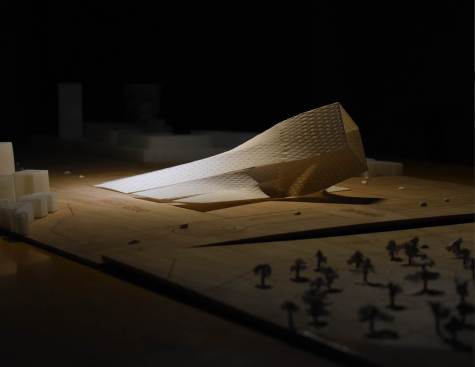
Short Text The divine nature of light as a sacred phenomenon is informing the geometrical and pragmatic organization of space in the design of the Dubai Creek Harbor iconic mosque proposal. Thus, the shrine’s main two levels are oriented towards south-west Qiblah to frame the light as a significant player in harmonizing the spiritual perception of the space. Main Text The conceptual formation of the Dubai Creek Harbor Iconic Mosque was shaped by considering two basic questions: How can we create a spiritual space by incorporating the light, geometry, and direction as the organizer of the space. And secondly, how do we redefine the role of a contemporary iconic religious building while it serves as an iconic mosque within its context. Light’s divine substance is considered a sacred phenomenon that becomes the starting point of spatial organization of the mosque design. With this approach, light’s metaphysical nature is the originator of the physical architectural space. Therefore, the main shrine’s area orients toward the southwest-to the Qiblah. With the reflection of the light on the geometric shell surface, the light and shadow become a player in the spiritual perception of interior and exterior skin. As a result of this orientation, southwestern light plays a significant role in harmonizing the prayer area in two levels, buffer zones, service area, and upper-level plaza in the space. Other spaces in the mosque, including the cultural, service areas and restrooms will be located along this central axis of light and Qiblah to help smooth transition and circulation of the 10,000 prayers in two levels. GFRC (Glass fiber reinforced concrete) paneling system of the skin is proposed to be supported by the steel structure in harmony with their geometrical arrangements. The urban plaza and the mosque’s surrounding buildings are organized along the eastern, northern and southern part of the project, providing diverse cultural and civic functions along with the active urban life. While the given master plan and skyline at the Greek Harbor’s emphasis is on the verticality of adjacent towers, the iconic mosque proudly bows down towards the Qiblah to suggest an iconic building on a horizontal axis. Embracing the 45-degree orientation from the linear green park axis to the Qiblah axis, our proposal suggests a smooth transition of formal and directional geometry which directs all attention toward the very precious name of Allah, dramatically and sophisticatedly ornamented by the large diamond-shaped window.