
Project Description
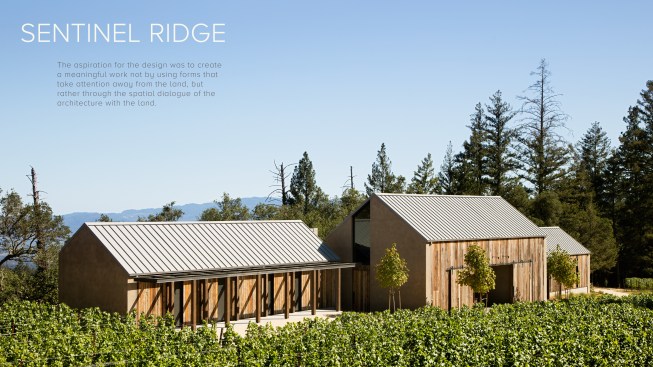
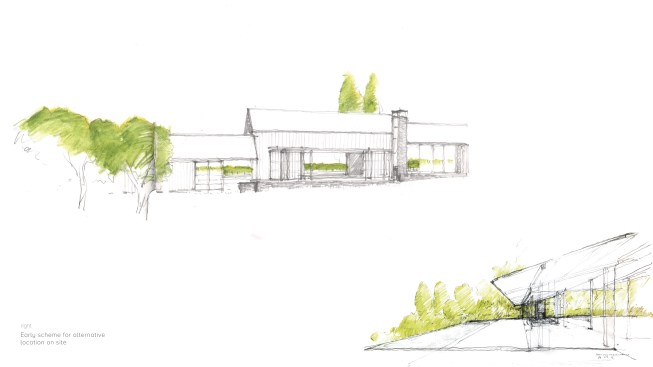
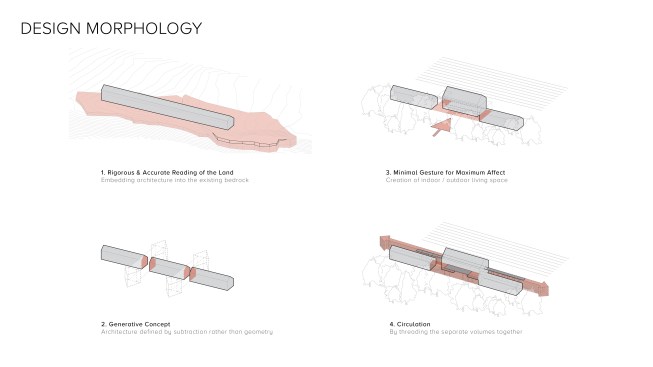
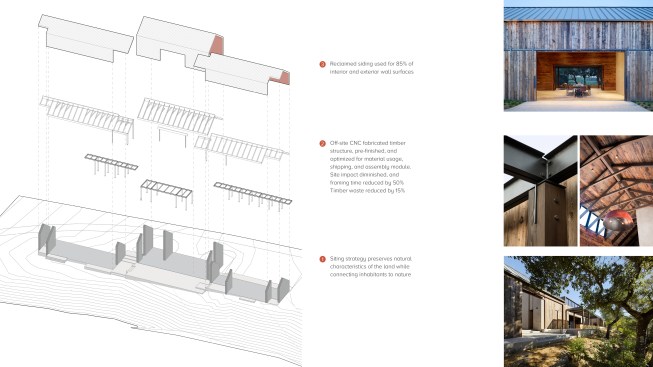
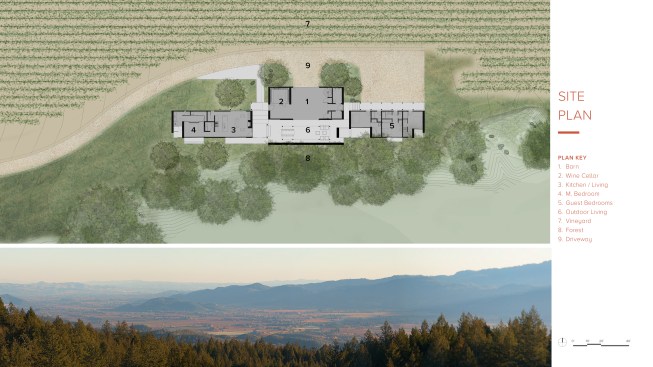
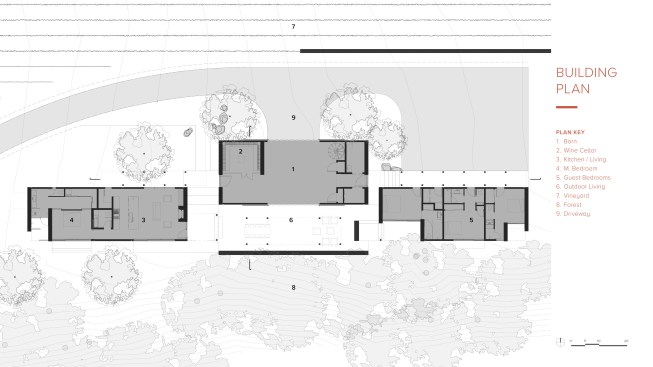
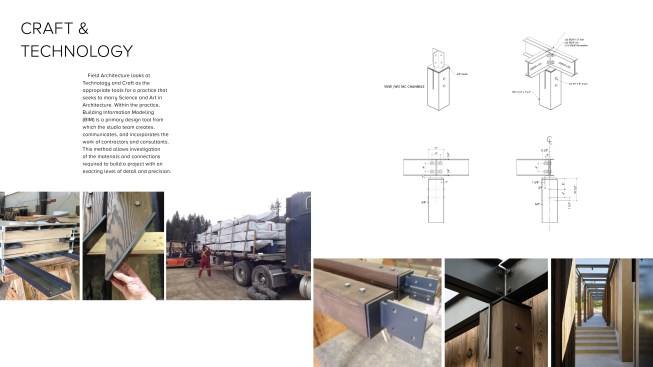
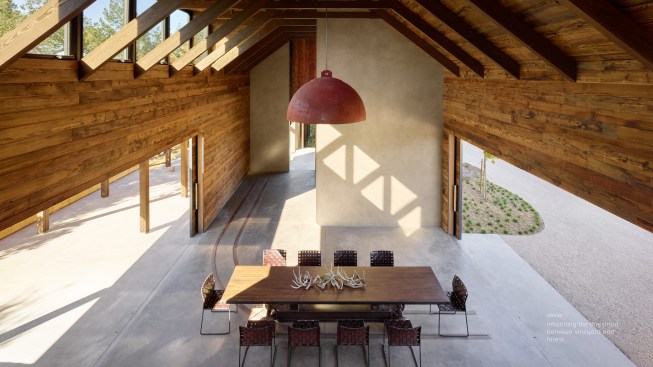
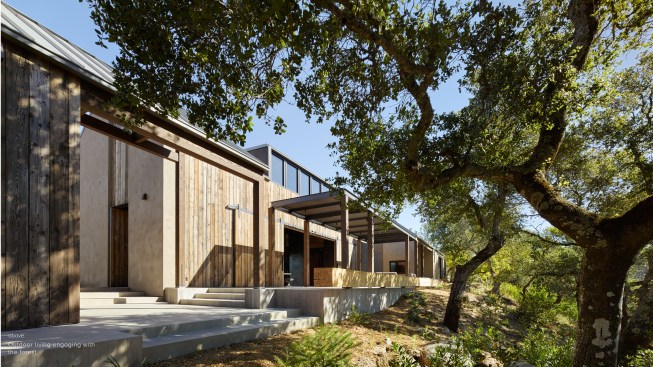
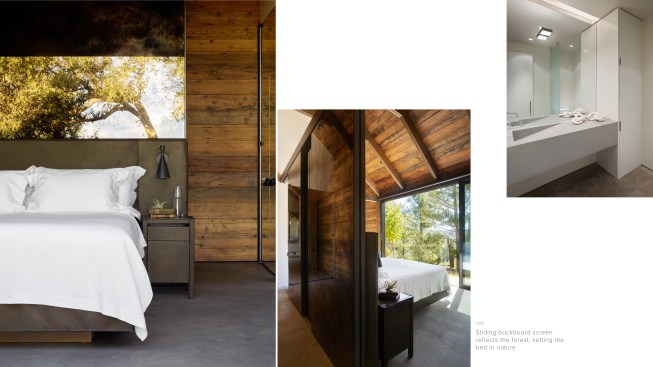
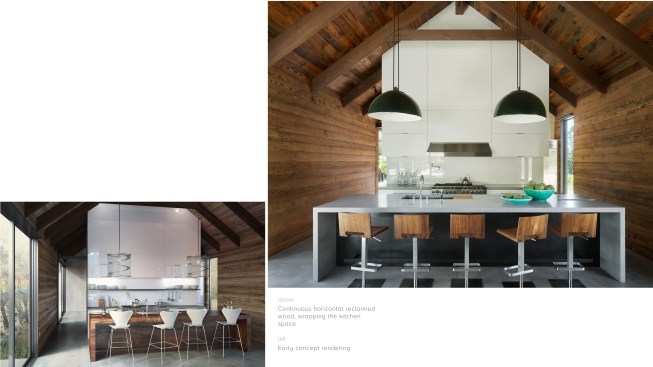
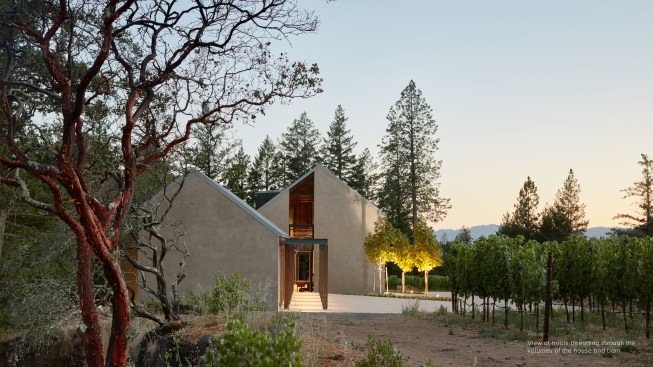
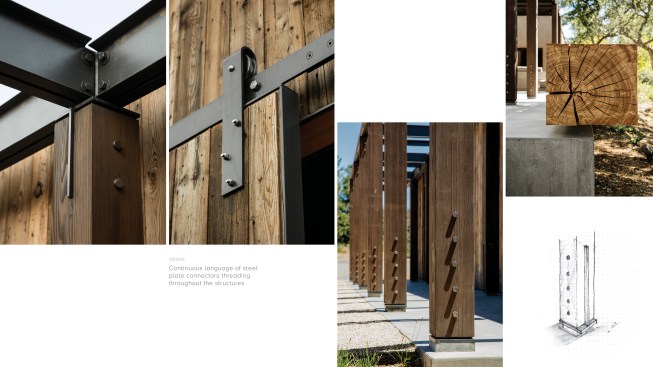
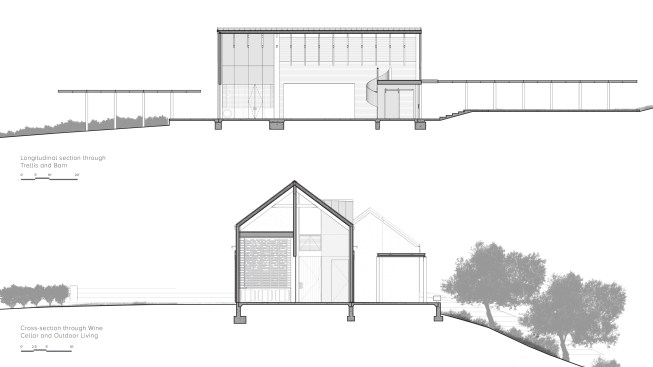
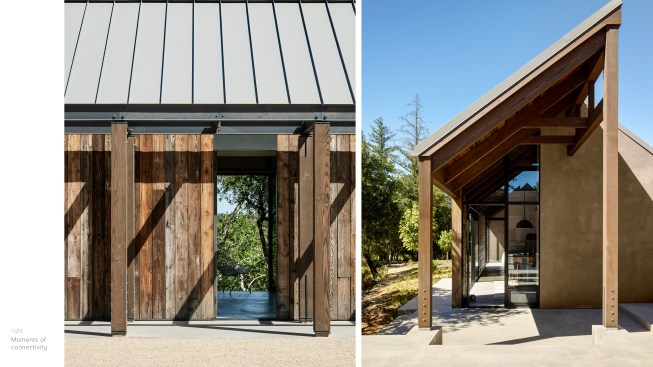
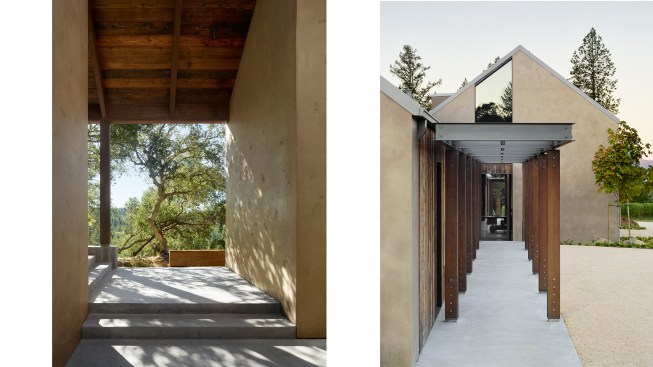
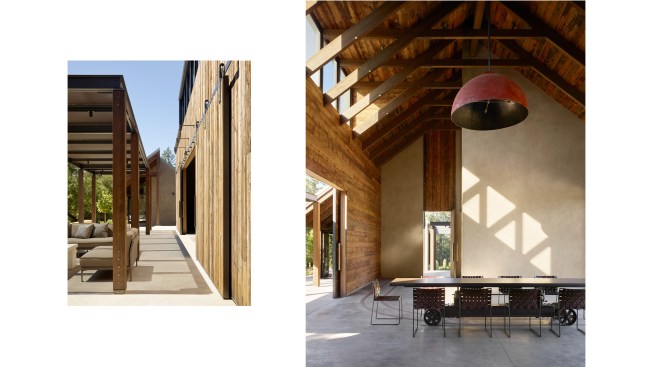
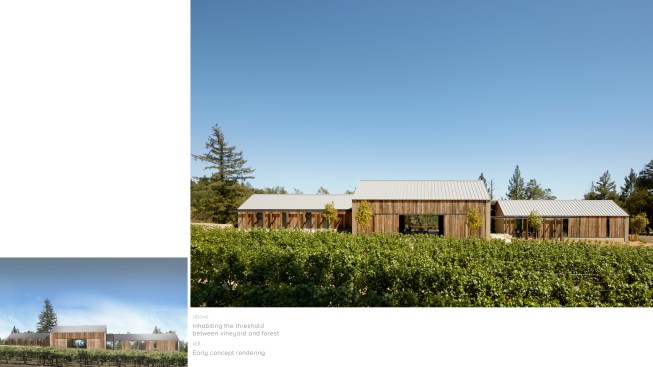
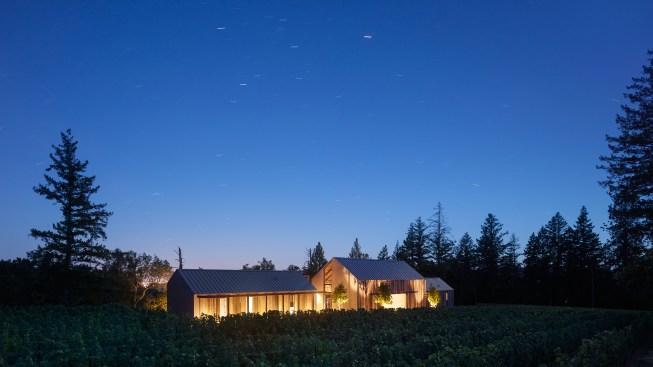
The brief for the barn and vineyard residence at Sentinel Ridge came from a couple living in the suburban Midwest moving to California’s wine country to connect with the land. The dramatic mountain site, high above the Napa Valley is a wilderness destination that in itself requires a commitment to get to. Our approach to the project began with a reverence for the land, and a strong prioritization of the sensory experience of it. The aspiration for the design was to create a meaningful work not by using forms that take attention away from the land, but rather through the spatial dialogue of the architecture with the land. The resulting design became a vehicle through which the nuance and character of the land – its terroir – was revealed. The project takes a mature stance on the history and culture of the region, and boldly extends it into the present. It takes a step further to provide a model for environmentally responsive vineyard development, and an innovative use of cutting edge technology to create significant shifts in the construction process, and reduce our impact on the land. The uniqueness of the Sentinel site is extraordinary. An accurate reading of the site was critical, and we began with a rigorous study of site geology, hydrology, solar and wind patterns, as well as wildlife distribution and movement corridors. Initial feedback the owner received was to clear the hard rock in order to maximize the extents of the vineyard. Our first mission was to stop such a catastrophe and replace it with a mindset that saw the nuances and characteristics of the land as guides that could steer the design rather than impediments that would encumber it. Rather than blast the rock for a deep foundation, we decided to anchor the structures directly to the rock and inhabit the inimitable threshold between the cultivated vineyard and the native forest. The buildings are situated on a single concrete base that echoes the nuanced steps and terraces of the ground. Using aggregate mixed with the site rock, the smooth troweled tops and vertical board formed sides create the feeling of the pad being upheaved from the rock below. The design of the buildings began with the simple form of the gable barn, which makes deliberate reference to the history and culture of the vernacular agrarian working buildings of the region. Rather than using overt geometric moves in order to shape the buildings, the architectural language uses subtraction as a way to create spaces between the structures with the same quality as the spaces within the structure. The East-West gable shaped bar is carved along two axes which connect the vineyard to the North with the Forest to the South. The light filled spaces between the buildings slice through the threshold that the building inhabits creating an unfolding sequence of indoor outdoor moments that draw on the ordered form of the vineyard, in tandem with the organic wildness of the forest. A series of timber and steel trusses create a rhythm that carries the length of the building. A free-standing trellis structure traverses the site laterally and threads the three buildings together. The project challenges the traditional bifurcation of design and construction. Taking the vernacular form of the barn and operating on it in a highly contemporary way, the project provided a unique platform to showcase the potential of direct-to-fabrication design, reduction of time on site, and minimization of site impact. The detailed BIM model was leveraged through all phases of the work to create a highly collaborative environment. The fabrication team was engaged from the early design phases, working in a disciplined way to develop the technical aspects of the project in concert with the creative process. We developed a strategic plan for the successful execution of the whole building, accommodating the simple aspects on site, and addressing complexity off-site. The design process looked at manufacturing individual assemblies, then components, and down to the material level, where we could ensure that the smallest detail was addressed with the same level of attention as our foremost detail. The resulting architecture is expressed as a multiplicity of meticulously resolved connections. The material language is raw and natural. The interior and exterior skin of the building use reclaimed old growth Douglas Fir, in combination with steel, concrete, and glass. It resonates with the cultural heritage and simplicity of the region’s vernacular, while taking a bold leap forward in its material craft and assembly. The sensory experience of the site is powerful, and leaves an imprint of the place with us as we return to civilization and the valley below.