
Project Description
The Munich Hellabrunn, or the zoo in the city of Munich, Germany, was founded on Aug. 1, 1911. It is the world’s first “GeoZoo,” or a zoo planned out according to animals’ geographical origins. A lion, for instance, would be found near zebras or elephants native to their geographical area, rather than species.
By the 1970s, the state had reached very poor conditions, and many renovations and additions were instituted as part of a masterplan that started in 1972. The city of Munich granted the zoo grants to carry out these commissions, and renovated specific areas for animals, while adding on a children’s zoo and a petting zoo.
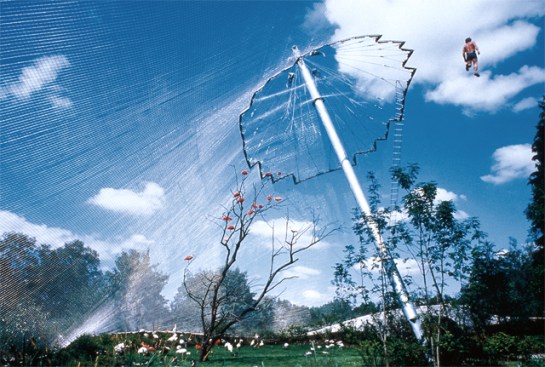
In 1980, Jörg Gribl, Frei Otto and Ted Happold were commissioned to build a large aviary for the zoo. The site spans 5,000 square meters, and is 18 meters high, and looks like a tent held up by staffs while encased in a thin, stainless steel mesh. This aviary is notable in that it tackles the ethical issue of caging animals while still providing enough space for them to be comfortable, while visitors can enjoy looking at them in a simulated environment that they can flourish in.