
Project Description
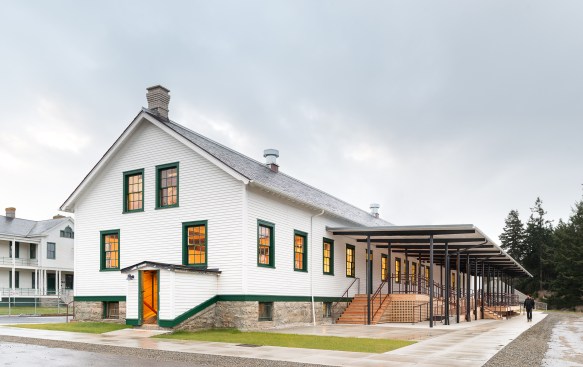
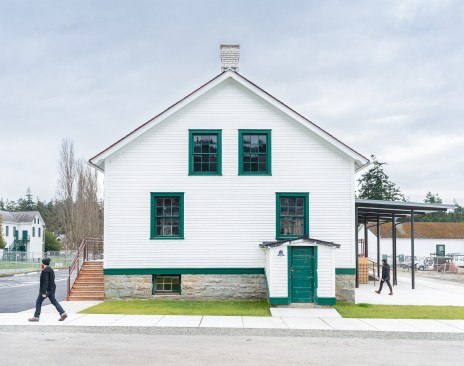
After nearly seven years of master planning and design, Seattle-based architecture firm Signal Architecture + Research is excited to announce the first phase at Fort Worden is complete. For this phase, Signal focused on the rehabilitation and adaptive reuse of three historic warehouse buildings in Makers Square that will now serve as a center for arts and education programming.
The design team’s work at the turn-of-the-century military fort reveals the past uses of the historic structures as a means of preservation, celebrating the markings of time and work in an interior character that inspires the future artists and makers who will occupy these spaces. Building on the idea that a well-loved building is a preserved building, this approach expands historic rehabilitation beyond just appearance to function. Jane Jacobs famously said, “New ideas need old buildings,” and Makers Square is the perfect place for new ideas.
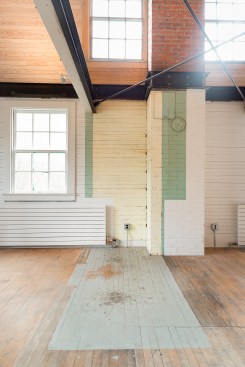
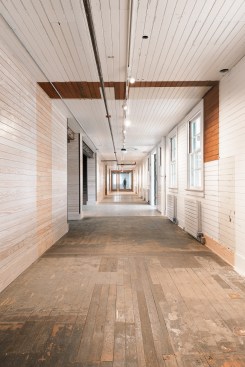
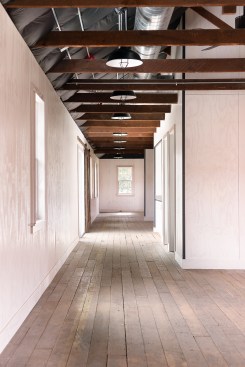
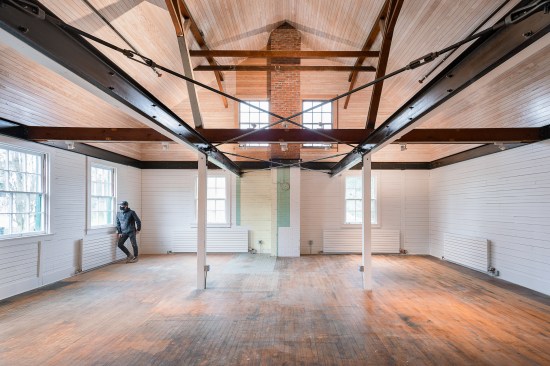
Located at the center of Makers Square is Building 305, also known as the Quartermasters’ Warehouse, the largest structure at 15,000 square feet, making it an ideal gallery and studio space. Originally composed of three levels—the main floor, a dimly lit attic, and basement—Signal added space and light by opening up the attic, revealing double-height ceilings and a gabled roofline. The new floor plan allows more headroom, space for larger artwork, and abundant daylight throughout the attic. Signal divided the attic space into two writer’s workshops with interior windows overlooking the main floor gallery. The basement corridor, defined on one side by its sandstone foundation and masonry piers on the other, provided Signal the opportunity to work with engineering firm Arup’s acoustic department to develop the headquarters for the local radio station KPTZ.
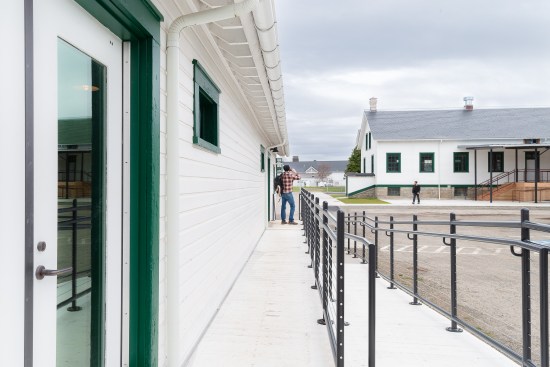
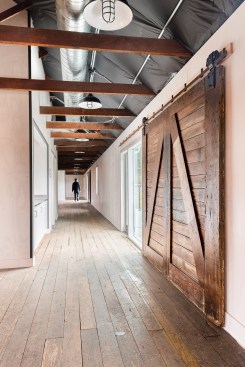
Signal took a leaner approach to Buildings 308 and 324 to create flexible and robust spaces to serve as art studios and education spaces. Eventually, the Fort Worden Public Development Authority plans to repurpose the remaining buildings in Makers Square into a showcase for creative community building and placemaking, with warehouse spaces reconfigured as flexible classrooms, galleries, studios, and workspaces supporting a variety of uses.
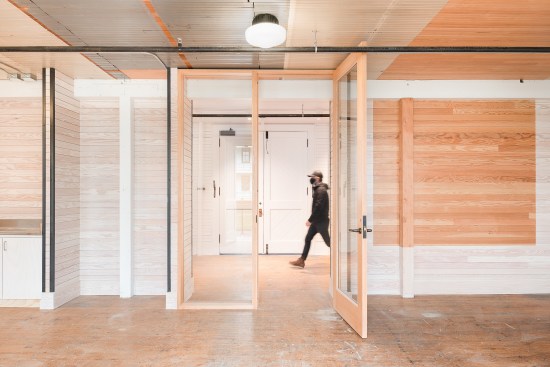
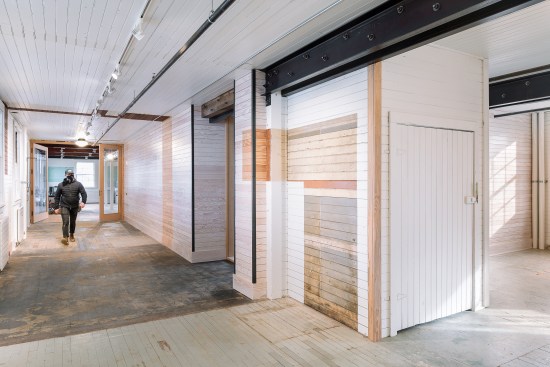
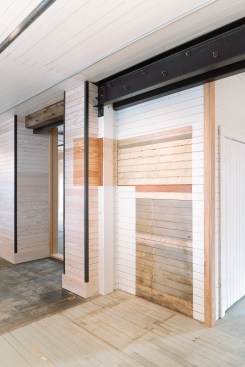
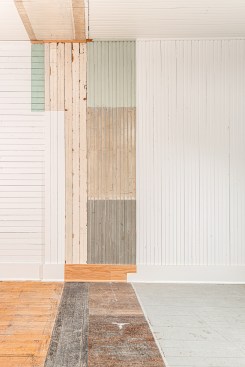
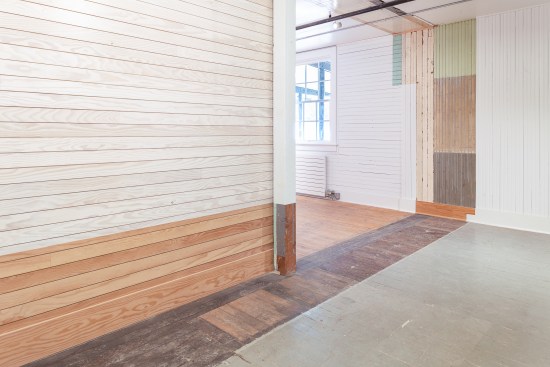
The design team repurposed existing materials wherever possible to preserve historic character and visually tell the stories of the past. Flooring removed from the attic to create the double-height gallery was reused on the main level, while salvaged bead-board from the ceiling was patched into existing wall and ceiling surfaces, creating a conversation between materials throughout the space. The old-growth Douglas fir attic floor joists were carefully salvaged, cataloged, and milled into new stair treads and risers.
Through the patching and grafting of old and new materials, Signal’s rigorous rehabilitation methodology took advantage of Fort Worden’s embedded carbon and reduced the amount of energy produced during construction.
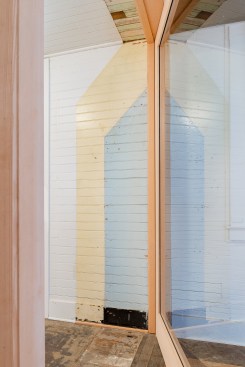
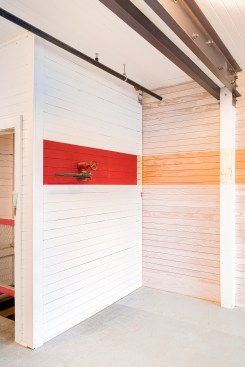
While Signal made thoughtful, research-driven changes to Makers Square, the beauty of the project lies in what was left behind. Throughout the design process, Signal discovered markings made by the Fort’s former inhabitants. Instead of covering the building’s past, the design team opted to integrate it into the renovation. Now, when visitors step into Markers Square, they’re immediately presented with imprints of Fort Worden’s history. Exposed remnants of old paint colors, removed cabinetry, shadows of long-gone equipment, and abandoned stairwells create a time-traveling effect and tell the story of what was there before. This rehabilitation approach ignites curiosity about the building’s 120-year-long past and inspires creative action from its future guests.
Bridging time, place, and creativity, Signal’s adaptive reuse of these buildings sets the course for Fort Worden’s next 100 years. Instead of covering up the Fort’s complicated past, Signal acknowledged it and redirected its contemporary use toward a culturally aspiring future. As the design team likes to say, make art, not war.