
Project Description
FROM THE ARCHITECT:
Oiso, far from the city—around one hour away, is
located in-between the sea
and the mountains, with a population
of approximately 32,000 people.
“I would
like you to design a house that will remain after 100 years,” was the
first request by our client. Oiso is a place that retains the trail left by the
inhabitants from over 5000 years ago. It is the land in which ancient
people lived, who selected the warm climate from the huge island that is Japan.
Over time, the trail of various eras remained, from the Yayoi period to the modern age through to the Edo period. The
people of Oiso experimented with many different forms of housing, such as
pit-dwellings, raised-floor dwellings, dug-standing pillar buildings, machiya
(traditional merchant houses), architecture of villas and so on. Then we got one
idea: we wanted to design a ‘Japanese House’ of the living form that captures
the essence of Japan from all ages.
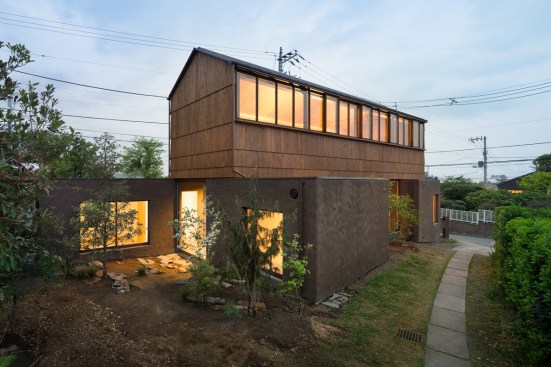
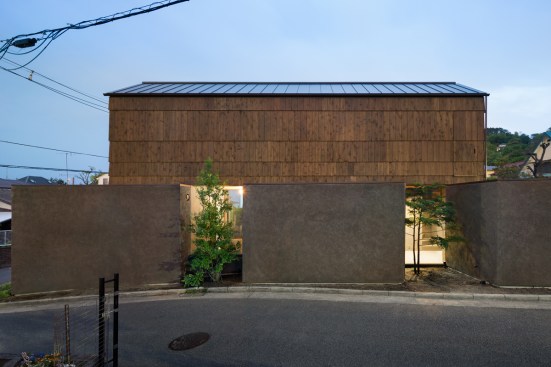
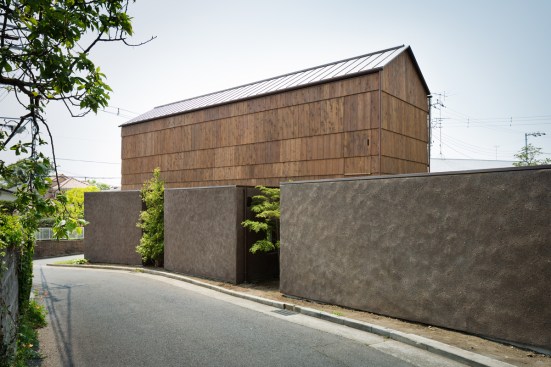
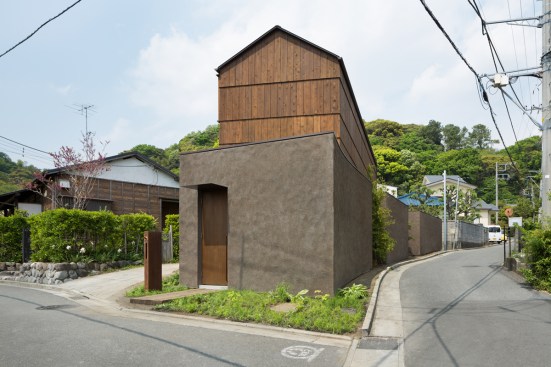
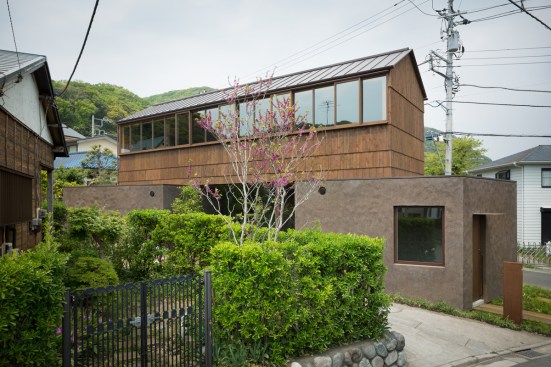
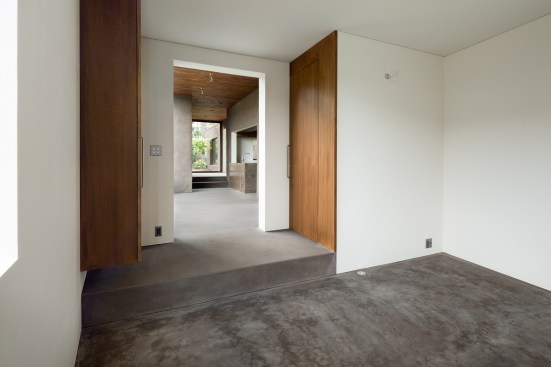
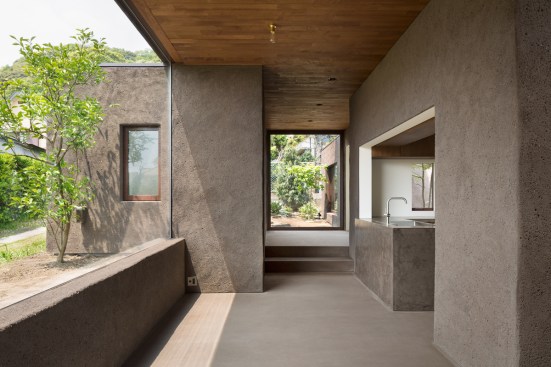
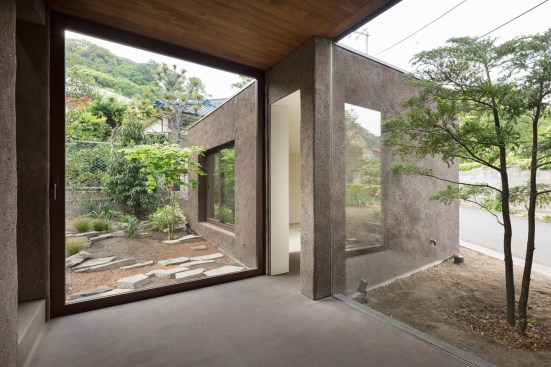
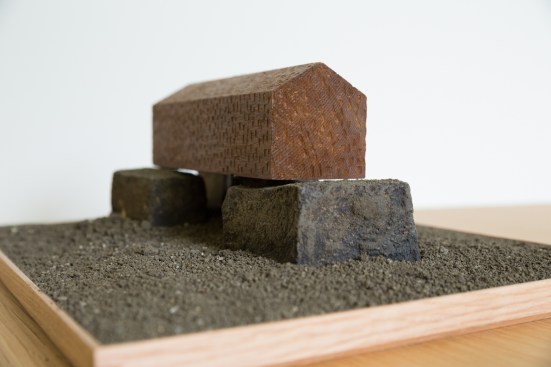
We were thinking about Ground Revolution. In ‘A HOUSE for
OISO’, we used the ‘soil colour’
for the floor of the ground level and the walls. Having excavated the building
60 centimeters more than the surface of the foothold, we reused the remaining soil as a finishing
material. The soil performs highly as
a building material, with hygroscopic and heat-insulation properties. The building being buried
inside the ground allows the
soil to entrap the cool temperature in the summer, and warm the floor surface with
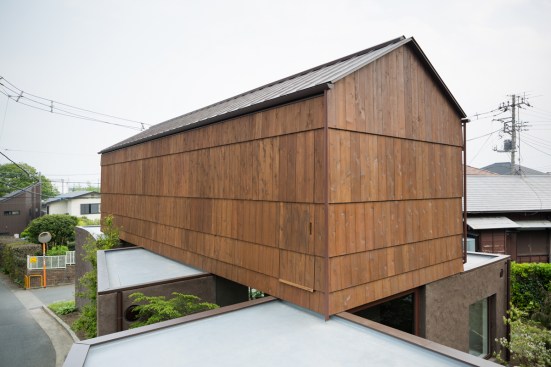
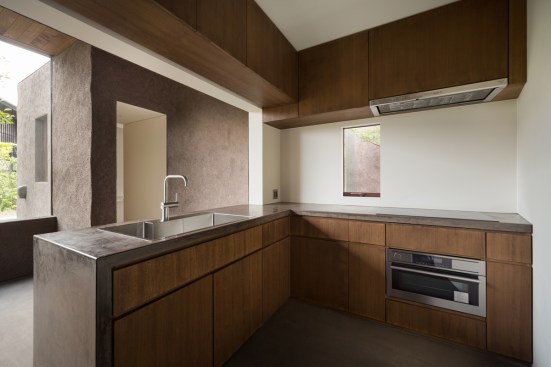
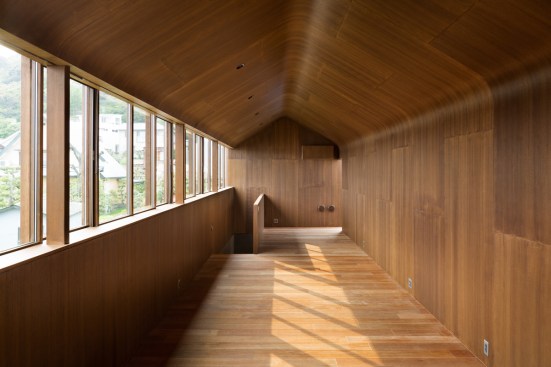
regenerating radiation floor heating in winter. The second floor is the
integrated space of ‘the wood color’
covering the floor, the wall and the ceiling. We planned the circulation of the
air to prevent the wind and rain, and to mitigate the humidity.
The house is
designed for a specific place.
Once the place has been decided,
we never change it again—we
can’t choose from a neighboring place. The building belongs not only to the site, but also to the
past and to the surrounding
land.
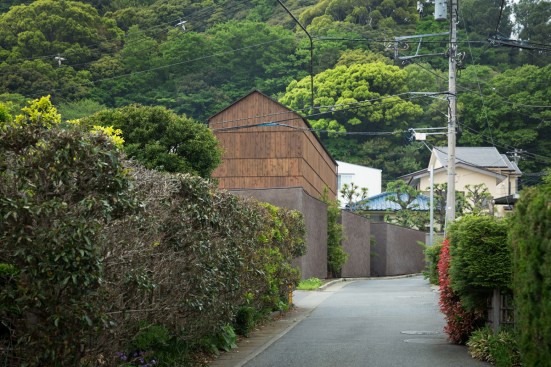
Then, we decided this project is ‘A HOUSE for OISO’; the house standing for
Oiso, not ‘HOUSE in OISO’; the house standing in Oiso. What can
‘the house’ do for the land? Be devoted to it and to permanently maintain a relationship with it?
If it could be possible for ‘the house’ to define one public aspect, beyond the
personal relationship with the client and the architect, it would be that the architecture connecting
‘the Dignity of Place’ should be
tied to its future.