
"Architect & Engineer"
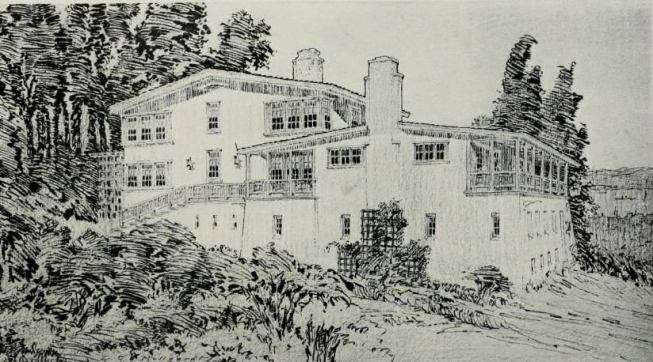
Louis Christian Mullgardt rendering of 226 Edgewood Ave., 1914, …
Today, innovators are arriving in droves to the Bay Area to build their careers, as Mullgardt did, with some, such as Williams, making fortunes off the latest technology boom. But when it comes to real estate, not everyone is welcoming those with new money. Objectors say they “don’t want nouveau riches McMansions.”
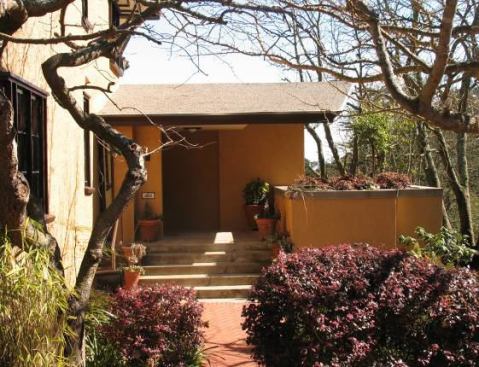
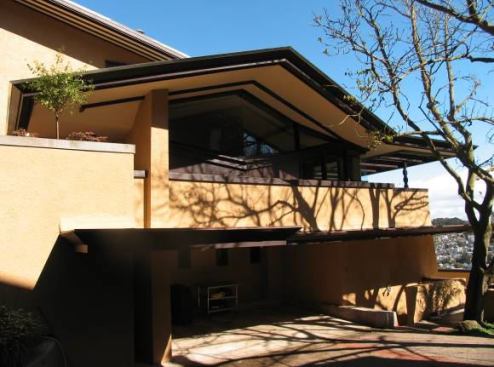
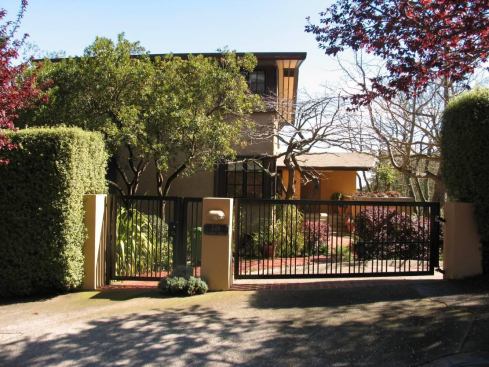
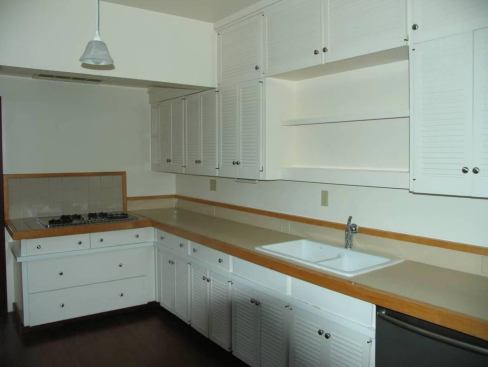
A husband and father of two young kids, Williams bought the house, built in 1911, because his family liked the neighborhood and the property, a friend of the Williams family and familiar with the house says. She says the family knew the house needed major renovations when they bought it, but that they didn’t buy with the intent to tear it down. “They would’ve looked at it more seriously before they bought, if that was the intent,” she said.
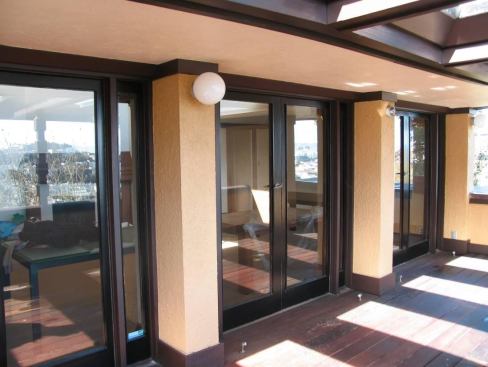
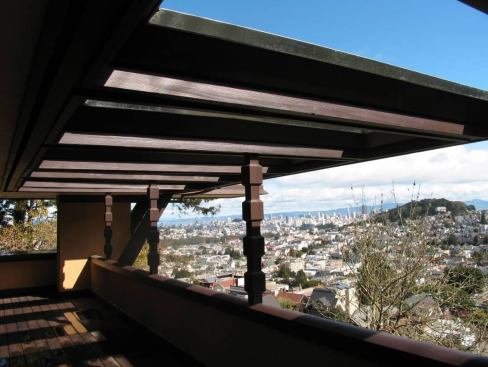
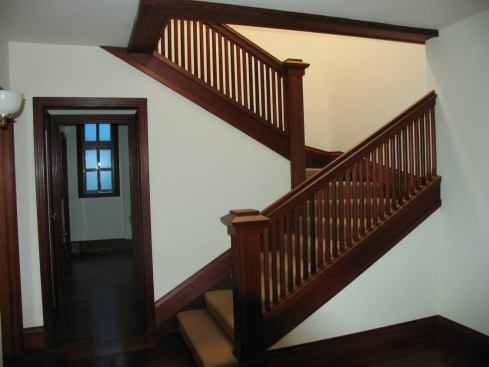
Built in the early 1900s after earthquakes and fires tore through San Francisco, the house was Mullgardt’s first residential design in the Bay Area. Its design influenced by Spanish architecture, the house is emblematic of the Arts and Crafts era. In the book Toward a Simpler Way of Life: The Arts and Crafts Architects of California, editor Robert Winter quotes philosopher and journalist Herbert Croly:
The best of Mullgardt’s houses are molded to their sites; they are softened and enveloped by the neighboring foliage; they are warmed and tinted by the sunlight; and they give one the sense of breathing the very air. In short, they have a way of appearing to live on the spot where they happened to have been put.
Williams, with help from San Francisco architectural firm Lundberg Designs, plans to honor the notion of building into nature, according to Curbed. Regarding Lundberg’s plans for the Williams house, Ferrato writes: “[W]hile it’s big, it’s also mostly built into the downslope of the hill. The highest point above the sloping street grade is eight feet (twenty feet lower than the existing house) and it will be mostly invisible from the street with three stories set into the hillside.”
The San Francisco Planning Department will conduct an environmental review, tentatively scheduled for early September, to determine the environmental effect of demolishing the house. For Williams’s new neighbors, the change—and the legacy lost—may be too much.