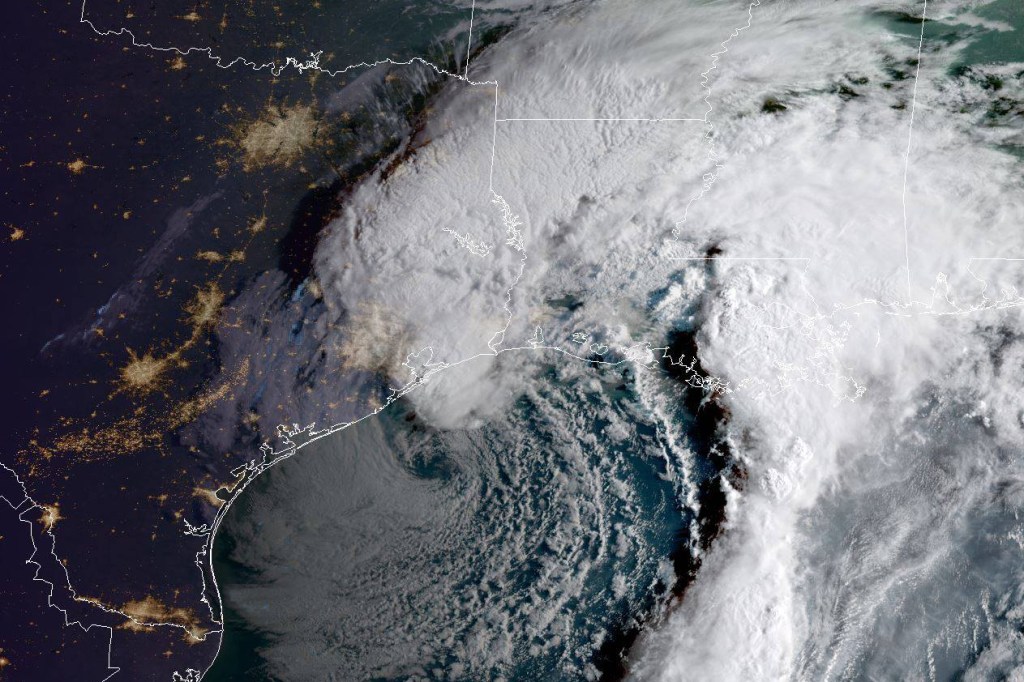
Since Hurricane Harvey—now technically considered a tropical storm—made landfall in Texas late on Friday evening, the city of Houston has been doused with nearly 50 inches of rain and at least 10 people have reportedly died in storm-related incidents. And the damage is only expected to spread as the storm moves east, with the potential for another 50 inches of rain by the weekend and the threat of extreme flooding extending into Louisiana.
Emergency responders and rescue personnel have been making headlines for their efforts to ensure individuals’ safety during the storm, and architects will be called upon to help once flood waters subside. The AIA Texas chapter is currently working with FEMA and local and state officials to devise a plan for relief. Here is what to expect, and what you can do:
If you are a registered Texas architect with AIA/CAL-OES Safety-Assessment Program (SAP) training, you may be called upon by state or local authorities to perform rapid of safety assessments of homes and buildings.
If you are a registered Texas architect interested in participating in the FEMA Disaster training or the AIA Preparedness training, email harvey@texasarchitects.org for information on sessions in Austin planned for the end of this week.
If you are not a registered Texas architect, though state licensure reciprocity standards do exist, be advised that there is little-to-no space to accommodate out-of-state responders. Instead consider donating to the Red Cross, Habitat for Humanity, Coalition for Homelessness, or Global Giving.
If you want to be prepared for the next natural disaster in your area, sign up for a local SAP training program, which includes the courses Applied Technology Council (ATC) 20 Post-earthquake Safety Evaluation of Buildings and ATC-45 Safety Evaluation of Buildings after Wind Storms and Floods. Contact resilience@aia.org for a list of instructors in your area.
For more information on how to help, visit aia.org. For those in affected areas, be sure to check with local authorities for the most up-to-date safety information and notifications.