



Charlie Brown
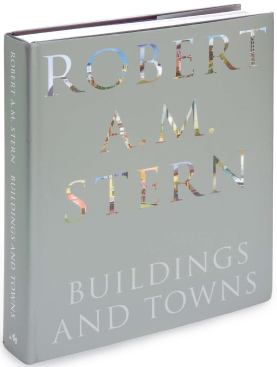
Firm: Robert A.M. Stern Architects Publisher: Monacelli Date: …
Guts are apparent in the Atlas of Novel Tectonics, a book by the firm Reiser + Umemoto that is more of a manifesto than a monograph. “It was a bit obtuse,” Later admits, “but it’s who Jesse [Reiser] is, and that’s his charm and virtue.” Reiser explains the book’s genesis: “We started looking at 19th century books and atlases. … In a way [Atlas] has much more conservative graphic design, so that we could highlight the content rather than the image.” The firm is now working on a project-driven monograph with Barcelona, Spain–based Actar (PAPress passed) that will come out in the spring of next year. This book will be much more straightforward, with project images, models, drawings, and descriptions.
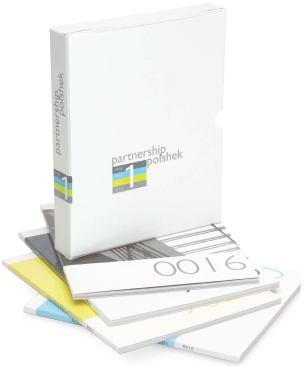
Even though, as Monfried points out, monographs often benefit from a book publisher’s experienced and relatively objective eye, having full control is also appealing to many architects. Polshek Partnership Architects, after putting out monographs through other publishers (like PAPress in 2004), decided to take over. Since 2006, the firm has published small books devoted to one project each, released four at a time, with every element—writing, editing, design, and printing—controlled by the firm. It is Polshek’s hope that together, over time, these small books will paint a richer picture of its work.
What about people who aren’t quite established? There’s always the internet. New York City architect William Feuerman published his own monograph in 2006 on lulu.com, a self-publishing website. He did it initially to make a portfolio after graduating from architecture school, but it was also, he says, a way to question the standard.
“I wanted to really rethink these things. It doesn’t need to be a book just about the projects,” he says. “The idea was that it could lead to something more than just a discussion about the architecture.” Because Feuerman can easily update the book on the back end—all he has to do is upload a new PDF to lulu.com and specify how he’d like it bound—completely different versions can be published with each print run.
And that’s where we come to the final question: Why bother to publish a monograph, when it’s possible to make spectacular portfolios online? Feuerman believes it’s an issue of branding. “What you see in a lot of monographs is, it’s branded to create some sort of identity,” he says. The Feuerman brand, for now, is edgy and renegade. Would he go with a publisher, given the chance? “Yes,” he says. “But it’ll be about how we can think about [the book] in a new way.”
Eva Hagberg lives in Brooklyn, N.Y., and has written for Wallpaper, City, Metropolis, and The New York Times.
THE PUBLISHERS Monacelli Press, a division of Random House in New York City, publishes four to six monographs a year. “We’re looking to help build on a public image that an architect has already created through innovative work that has received attention from the profession,” says editorial director Andrea Monfried.
Rizzoli, also based in New York, “is always on the lookout for possible titles that would fill a gap in the market,” says senior editor Dung Ngo. He notes that the house releases six to 10 monographs per year.
Princeton Architectural Press has an eye for emerging talent and prides itself on crossing genres. The press publishes “maybe five” monographs a year, says senior acquisitions editor Nancy Eklund Later. “We like to find monographs that expound on one particular area of practice that could be held up as a model for others,” Later explains.
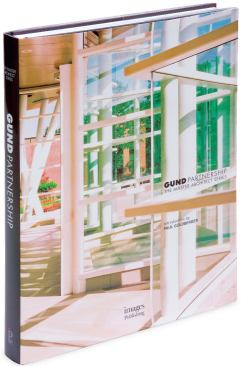
Images, an Australian publisher, has a Master Architects series with dozens of titles. According to publisher Alessina Brooks, Images will publish more than 35 monographs in 2008 alone. Firms published by Images “enjoy a powerful introduction to new markets and a connectedness to other great firms,” she says.
