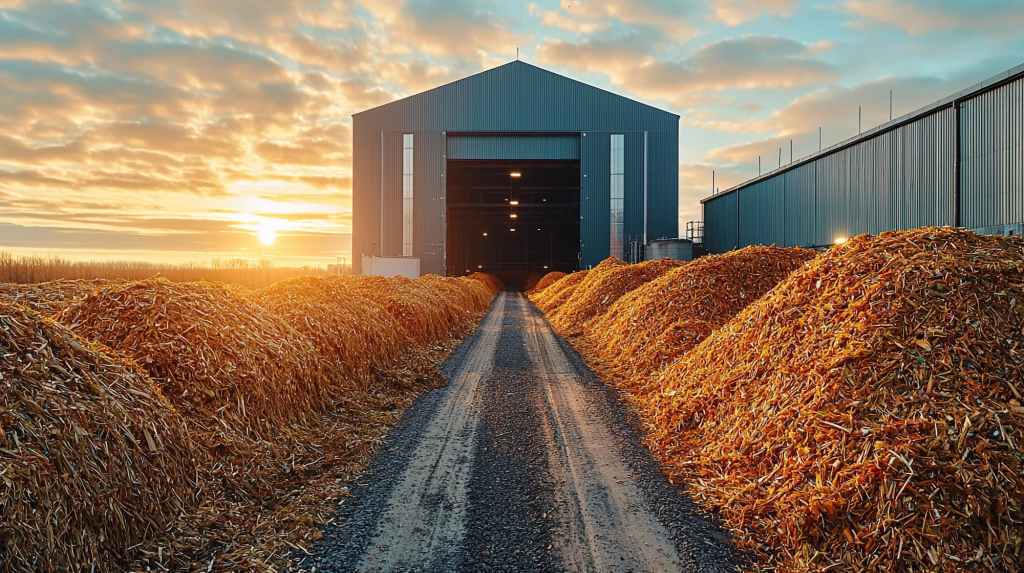
Agriculture and architecture appear to be unrelated pursuits, yet they share a fundamental interest in biobased materials. For millennia, farming shaped the substance of shelter as much as the diets of civilizations.
This common focus was much more pronounced in preindustrial times, when renewable materials constituted a larger share of building construction. And yet, after centuries of reliance on nonrenewable resources, recent environmental and economic opportunities emphasize a return to this connection between farming and building.
Using agricultural waste in architecture enables efficient material applications while avoiding competition for the same resources. A common practice in premodern times—evident in the rice-straw thatched roofs in East Asia or in straw-and-animal-dung-reinforced adobe in the American Southwest—the use of agricultural byproducts in construction is returning to building construction.
In recent years, these materials have become visible in interior applications, such as finishes and furnishings, which experience lower levels of wear and tear than outdoor uses. In addition, exterior-grade building products made from agricultural byproducts—capable of withstanding precipitation, thermal expansion, UV exposure, and pest damage—are under development.
Although many of these contemporary variants are in the early stages of commercialization, their benefits invite further scrutiny. Like their thatch and adobe predecessors, these facade technologies could eventually comprise significant portions of buildings, with concomitant environmental and economic benefits.
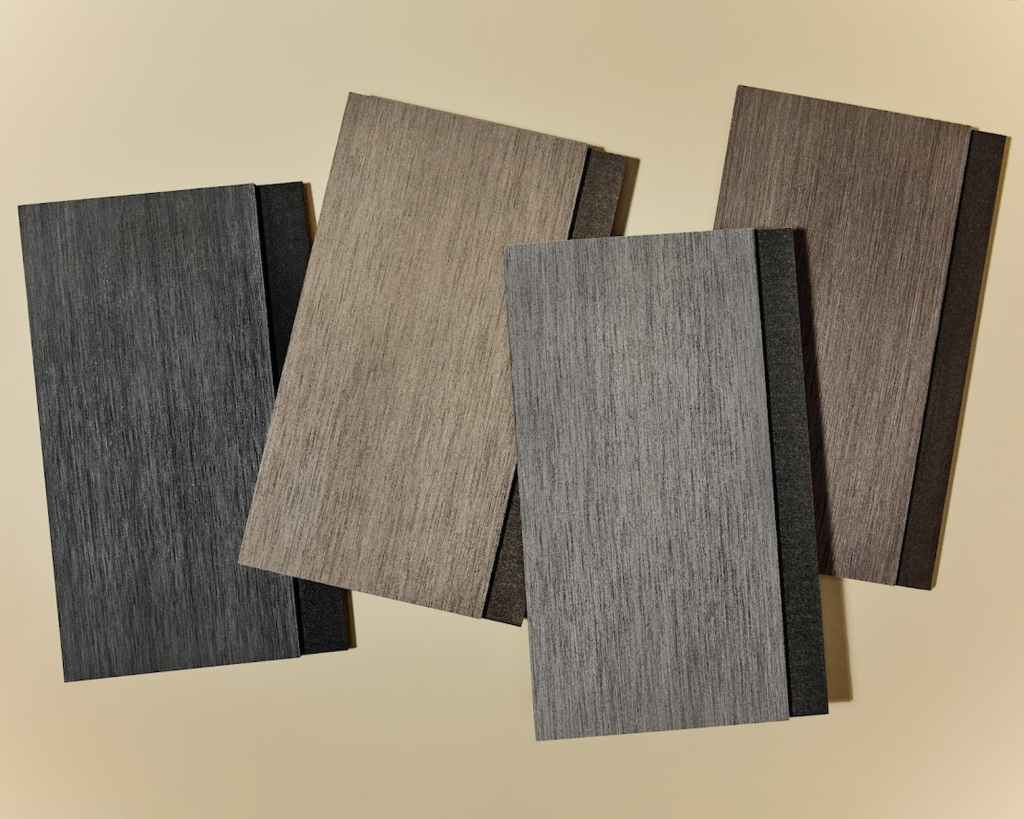
Mississippi-based Modern Mill offers ACRE, a building material made from rice hulls sourced from local farms. The rice hull is a protective casing around rice grains that is usually discarded or burned. Agriculturally intensive regions like the Mississippi Delta generate significant quantities of rice hulls, and Modern Mill has devised a solution to divert this resource from the waste stream into building applications, thereby reducing lumber demand. The company combines this abundant waste byproduct with PVC resin to form a durable composite with wood-like workability.
ACRE products include siding, trim, decking, and other exterior-grade materials that, like wood, readily accept fasteners and stains—but offer superior resistance to weather, water, insects, and UV damage. The product is also advertised as 100 percent recyclable—although recycling natural fiber polymer composites (NFPC) can result in downcycling.
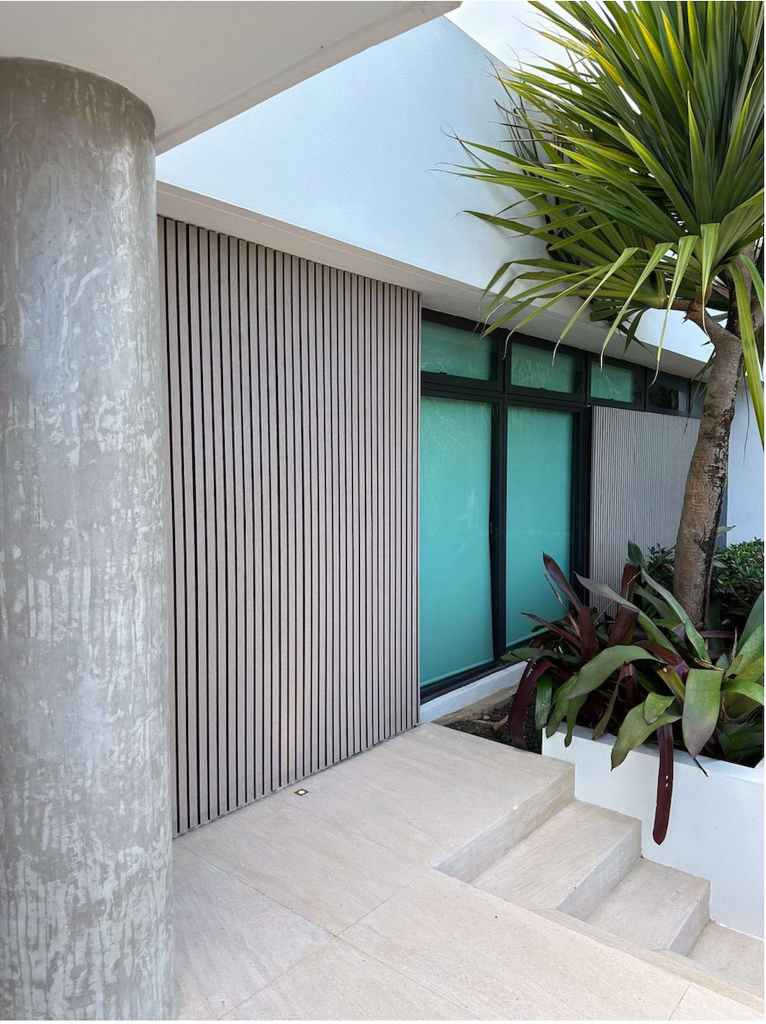
Resysta is another rice husk-based building product. Developed in Germany and now available worldwide, the composite is made of only three natural ingredients: 60% rice husks, 22% mineral oil, and 18% rock salt. Like ACRE, Resysta is suitable for exterior applications, including siding, decking, fencing, and canopies, and can also be machined and stained like wood.
However, a significant difference is its avoidance of plastics. Despite its lack of synthetic polymers, Resysta exhibits impressive performance in high-humidity and marine environments, resisting cracking, swelling, and fungal decay, with a longevity that exceeds that of many synthetic and natural alternatives. According to the manufacturer, Resysta “surpasses all known alternative wood materials in feel and durability” despite not being wood or a wood plastic composite (WPC).
Another common agricultural byproduct is straw—the dry stalks that remain after grain is harvested. This unwanted residual material is typically composted, burned, or plowed under. However, straw can become a viable exterior building product when engineered as Oriented Structural Straw Board (OSSB).
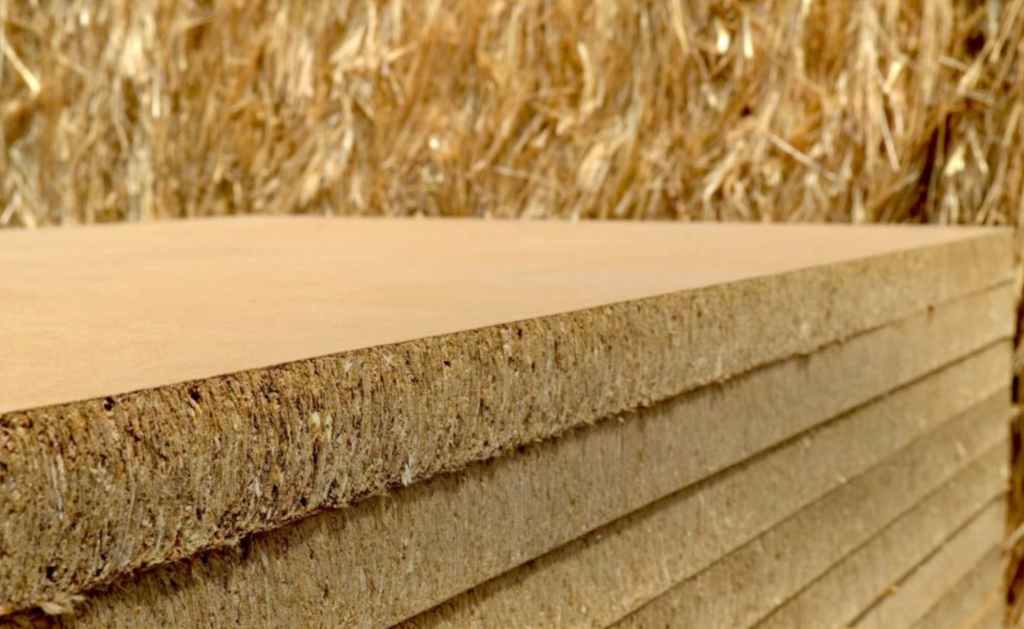
Like Oriented Strand Board (OSB), OSSB is produced by pressing straw fibers and non-toxic resins into rigid sheets, yielding a moisture-resistant panel suitable for use as sheathing or a substrate. While straw board is typically used in interior applications—as seen in commercial products such as Durra Panel—emerging technologies include prototype exterior wall assemblies. These products will likely experience strong demand, given the enormous global volume of straw and the substantial amount of wood they can displace.
Hemp is one of humanity’s oldest cultivated crops. Following the 2018 Farm Bill’s legalization of hemp cultivation in the U.S., the crop’s production value increased significantly. A typical architectural application of hemp is in building insulation, given the material’s favorable thermal performance and absence of toxic additives.
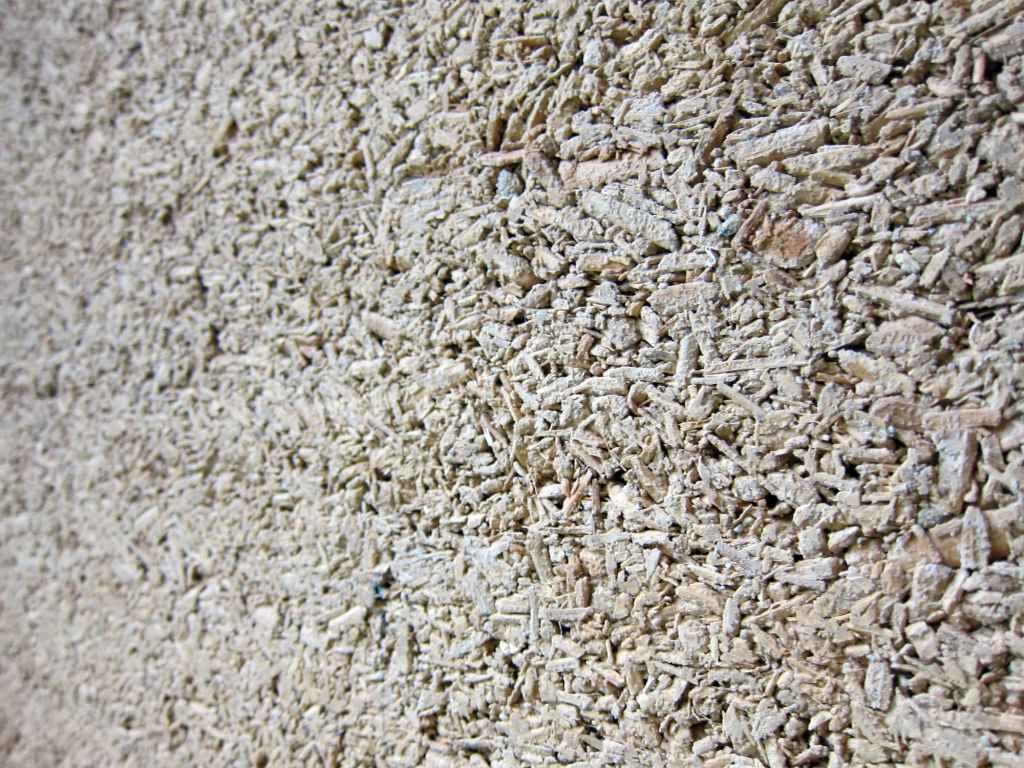
Hempcrete is an exterior- and interior-grade biocomposite that incorporates a lime-based binder into hemp to enhance mechanical strength. Some start-ups are creating new versions of hemp-based envelope materials.
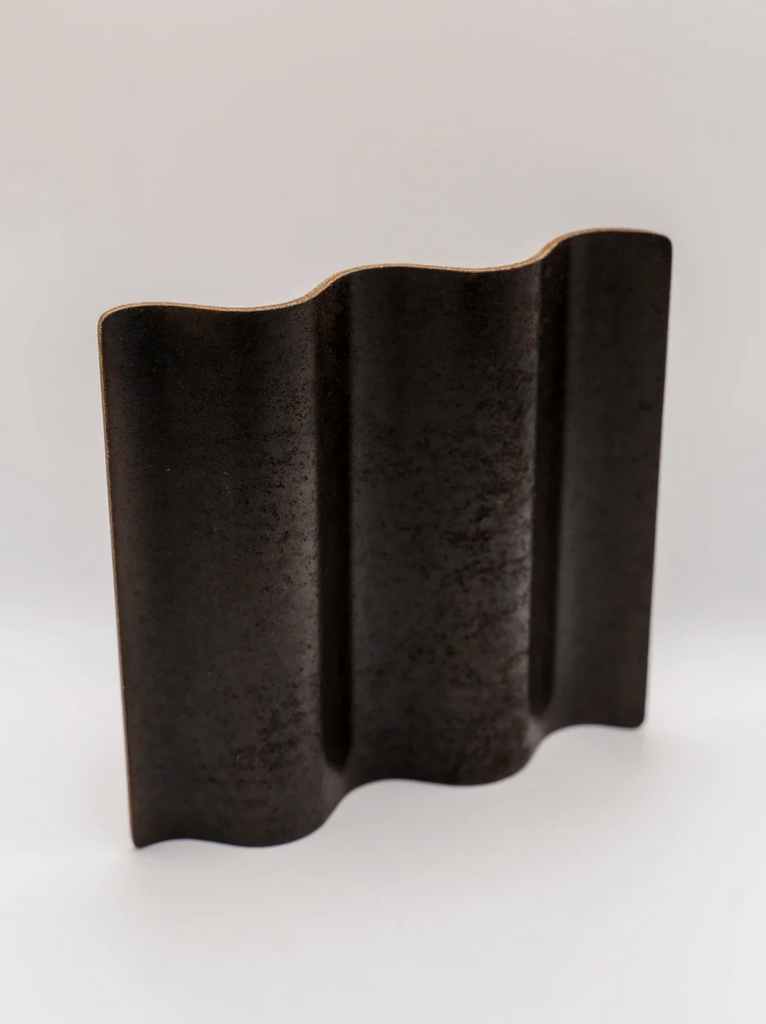
For example, the UK’s Margent Farm has developed a corrugated hemp-fiber facade product using bioresins. The BastWave panel may be used as a rain screen, similar to corrugated metal, and is lightweight and compostable.
Although these technologies are still emerging, the case for development is compelling. Hemp has a versatile agricultural profile due to its rapid growth, soil health benefits, and carbon sequestration capacity that exceeds that of many other crops. With increased development and market penetration, hemp-based building materials have the potential to supplant other traditional cladding, insulating, and structural products.