Zonda’s Elevate Conference returns to Miami December 8–10 at the Kimpton EPIC Hotel, bringing together top developers, architects, and investors to explore the forces redefining luxury high-rises in a $1.5 trillion market. Now in its third year, Elevate will feature high-level discussions and networking focused on market shifts, capital strategy, global buyer behavior, and the growing influence of branding, AI, wellness, and experiential design. Highlights include panels on the economy, emerging luxury trends, and how food, art, and technology are shaping the next generation of high-rise living—along with insights from Elevate Ambassadors Marci Clark (JDS Development Group), Anant Sharma (Matter Of Form), and Whitney Arcaro (RXR).
Marci Clark on Bridging History and Innovation
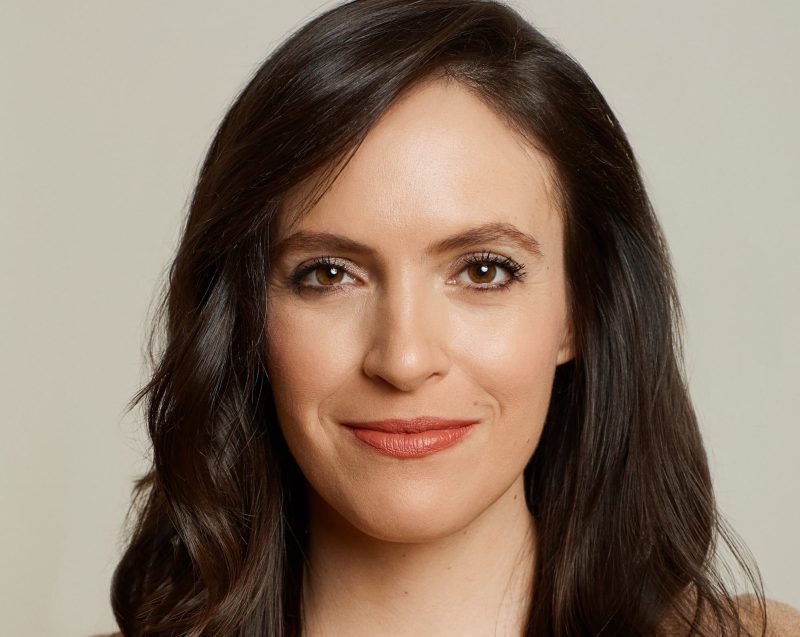
Marci Clark is an architectural historian and Managing Director at JDS Development Group, where a multidisciplinary team is pioneering progressive models for large-scale urban development that challenge traditional boundaries in the real estate industry.
Clark earned her Ph.D. in Architectural History from the CUNY Graduate Center and her M.A. in Art History and Archaeology from Columbia University. Her research explores the interconnected roles of planners, architects, and developers in twentieth-century North America. Her forthcoming book, Negotiating Big: The Empire of I. M. Pei and William Zeckendorf, expands on her doctoral dissertation.
At JDS, Clark oversees development strategy across a diverse portfolio of projects, providing guidance to design and construction teams—particularly in the adaptive reuse of historic structures, including New York City landmarks. She also leads the firm’s educational partnerships and its documentation of design and construction processes. Recognized for her leadership and scholarship, Clark has been profiled in The New York Times and continues to champion the intersection of research, craft, and practice.
ARCHITECT caught up with Clark to discuss how her academic training informs JDS’s design philosophy, how the firm balances innovation with urban context, and what design excellence means in today’s market.
ARCHITECT: How does your background in architectural history help JDS projects?
Marci Clark: My approach to real estate development is grounded in architectural and urban history. I believe that this research-based approach—particularly in adaptive reuse—is critical to understanding the sensitivities around culture and community.
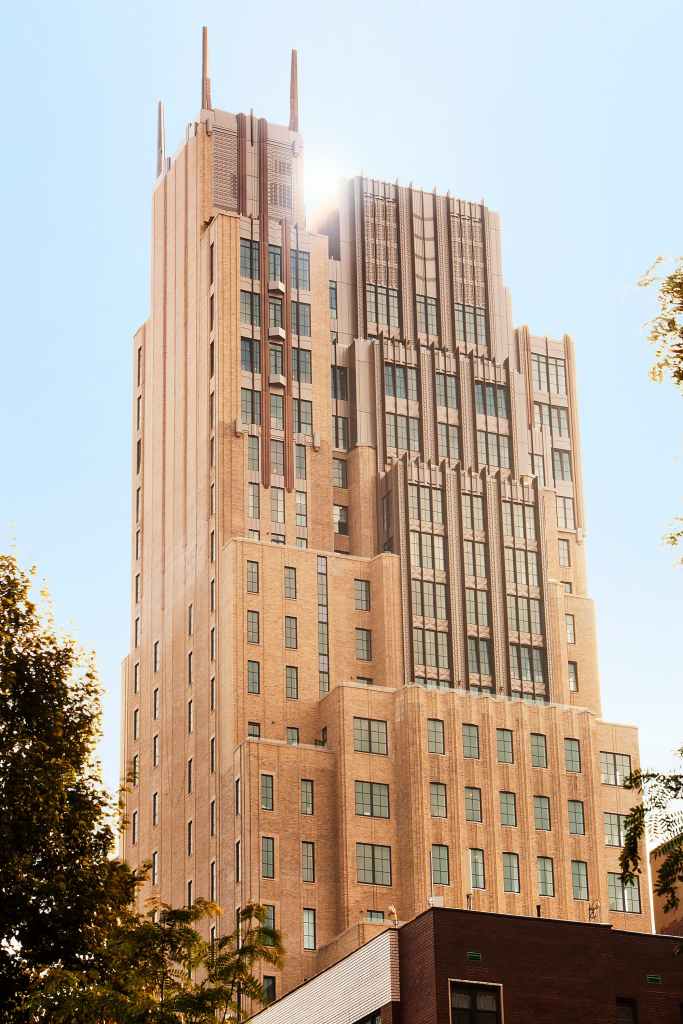
Practically, it also means guiding design and construction teams on what must be retained and what can evolve, which is particularly important for non-landmarked projects, always weighing the market, budget, and end user. Though our restoration work is painstaking (repointing brick at Walker Tower, cleaning ceiling murals at Steinway Hall), our adaptive reuse work is rarely overtly historicist. Rather, we create interesting tensions and conversations between the old and new.
ARCHITECT: JDS projects often push architectural boundaries. How do you define “design excellence” in a real estate context?
MC: Considering the human experience, above all—and not compromising on the details.
ARCHITECT: Many JDS projects reshape entire neighborhoods. How do you think about community integration when working at that scale?
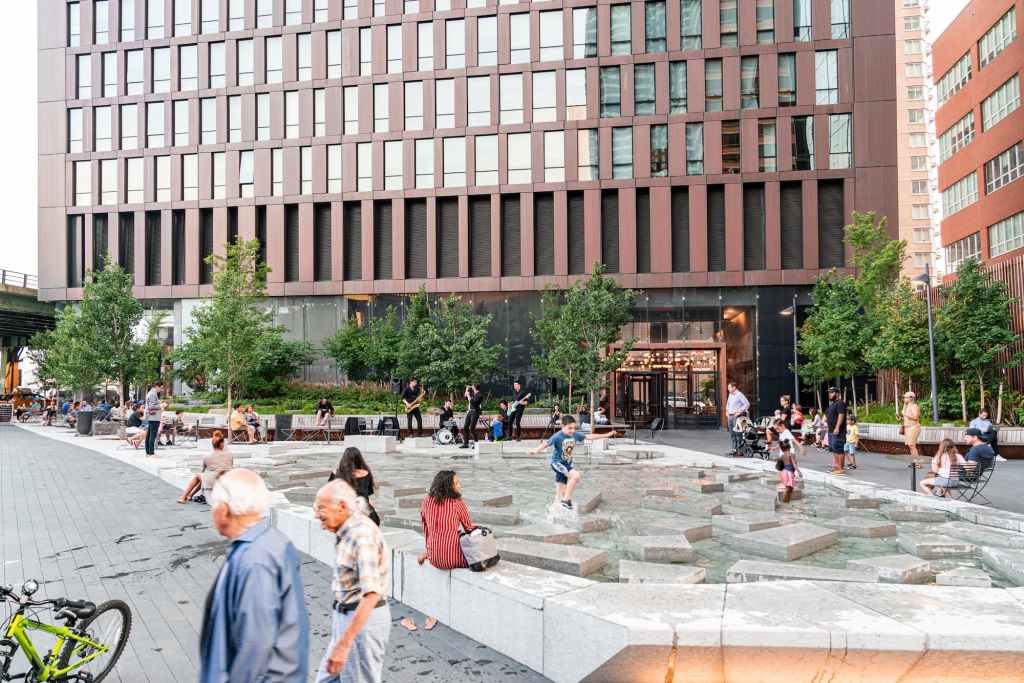
MC: Community integration begins with how a project meets the street and how to facilitate connectivity to the neighborhood beyond. At the American Copper Buildings on Manhattan’s East River, a public park greets the ferry stop across the street, a coffee shop activates the ground floor, and kids from the new school on the block play in the fountain.
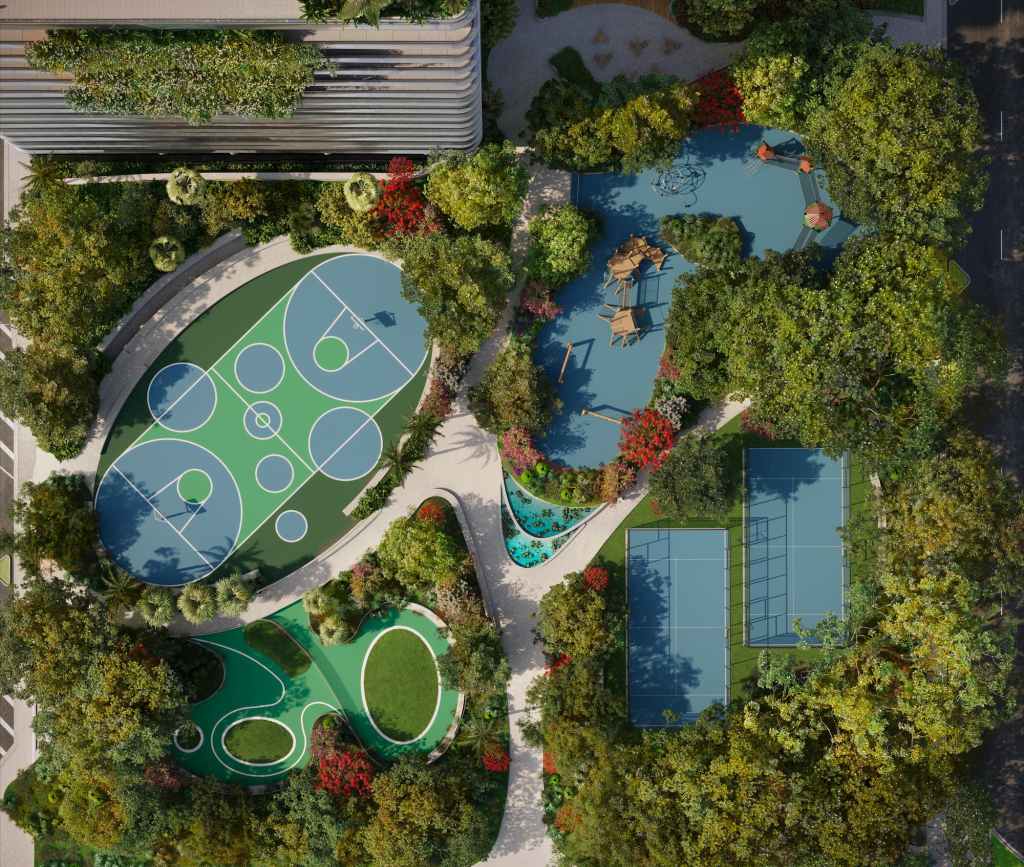
In Miami, our reimagining of Southside Park removes fences and connects to the Metromover and the bike and pedestrian paths of the Underline. These interventions illustrate how large-scale development can serve as civic infrastructure, shaping not only skylines but the everyday urban experience.
ARCHITECT: What lessons have you learned from adaptive reuse projects like Walker Tower that inform how you approach new construction?
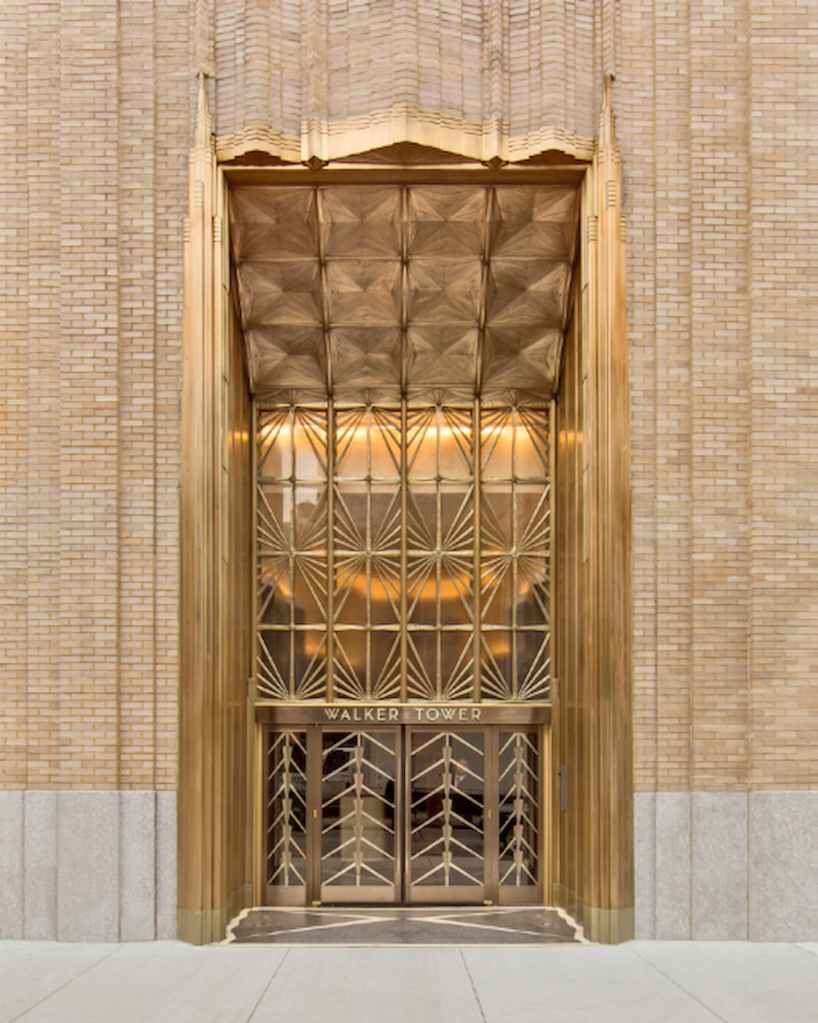
MC: Adaptive reuse teaches humility and flexibility. Each building brings a series of unknowns that demand time-sensitive creative problem-solving. This mindset directly informs our approach to new construction and our ability to tackle challenges in the field.
The experience of Walker Tower also gave me a deep appreciation for historic materials and craftsmanship, which we continue to explore through technology and our design partners in new projects—inverting marble columns in Downtown Brooklyn, using green terracotta in Chelsea, and, in Midtown, shaping terra-cotta and bronze that twists and turns even at 1,428 feet in elevation.
ARCHITECT: Where do you see the biggest growth opportunities for design-driven development in the next 5–10 years?
MC: For us, the next decade of design-driven development is about rethinking density, infrastructure, and climate resilience. As housing, transportation, and sustainability challenges converge, developers who align performance, experience, and community will lead meaningful change. We see particular potential in adaptive reuse, but there’s work to do to make it a go-to strategy across the industry. Adaptive reuse is expensive, yet it’s probably the most urgent opportunity we have to reduce embodied carbon and support climate goals.
ARCHITECT: What advice would you give architects who want to work more closely with developers?
MC: Be an effective communicator who can bridge the gap between design value and financial value.
Join us at Elevate Miami, where the most influential minds in real estate meet to exchange ideas, strategies, and insights shaping the future of luxury development.
REGISTER NOW
December 8–10, 2025
Kimpton EPIC Hotel, Miami, FL