
Play It Safe

Imagine a 9.0-magnitude earthquake or Category 5 hurricane hitting your area. How prepared are you to weather the storm? And how will your operations be affected? Surprisingly few practices are truly ready for a natural disaster, says archival consultant Tawny Ryan Nelb. She helped us compile a few tips for keeping your firm—and its important documents—safe in the face of calamity.

1 MIN READ

Jameson Simpson

Essential preparedness
Every office needs a disaster kit. First-aid supplies. Duct tape and plastic sheeting. Flashlight with batteries. Fire extinguisher and portable radio. Wrench to turn off gas valves. Consider having someone at the office take CPR or first-aid courses. Develop an evacuation plan and pick a meeting spot.

Establish a bunker
A central room away from windows where vital documents and drawings can be stored to help prevent water damage during a hurricane or other natural disaster. Better yet, scan the most important papers.

One word: lockbox
Establish a lockbox with client contact and billing information, current project records, digital drawings, and everything vital to the firm’s continued operations. Those details will help keep your projects on safe footing in the aftermath of a disaster.

Digital storage solution
Back up data and digital files nightly, if possible, and store on off-site servers. Create a detailed file-naming system so you can find, say, the plans for that restoration project of yours amid the sea of data.

Studio comforts
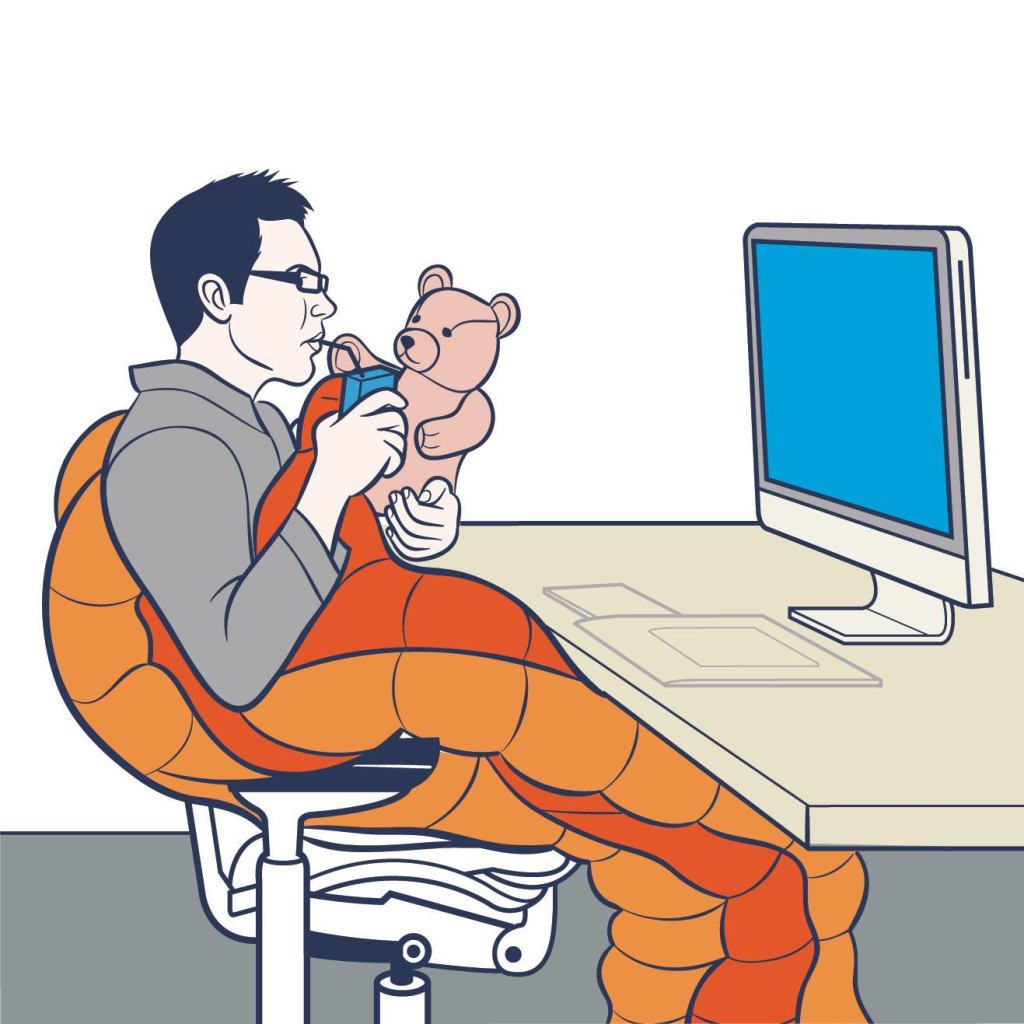
In case of an extended wait for rescue, ensure that you have the requisite necessities. Sleeping bags. Solar charger for BlackBerrys and other digital devices. Generator. Food and water for at least three days.

About the Author

Nate Berg

Nate Berg is a Los Angeles–based journalist who covers cities, architecture, design, and technology. A longtime contributor to ARCHITECT, he was previously a staff writer at The Atlantic Cities, now CityLab, and an editor at Planetizen. His work has appeared in a variety of outlets, including The New York Times, The Guardian, Wired, and 99% Invisible. He was a finalist for the 2013 Livingston Awards for Young Journalists for his Next City feature article on HafenCity, a neighborhood being built from scratch in Hamburg, Germany. His recent works include driving an electric car (which ran out of batteries) and riding an electric bike (which did not).

No recommended contents to display.

Upcoming Events

  • Design Smarter: Leveraging GIS, BIM, and Open Data for Better Site Selection & Collaboration

    Live Webinar

    Register for Free
  • Slate Reimagined: The Surprising Advantages of Slate Rainscreen Cladding

    Webinar

    Register Now
  • The State of Residential Design Today: Innovations and Insights from RADA-Winning Architects

    Webinar

    Register for Free
All Events