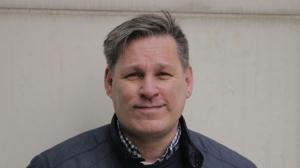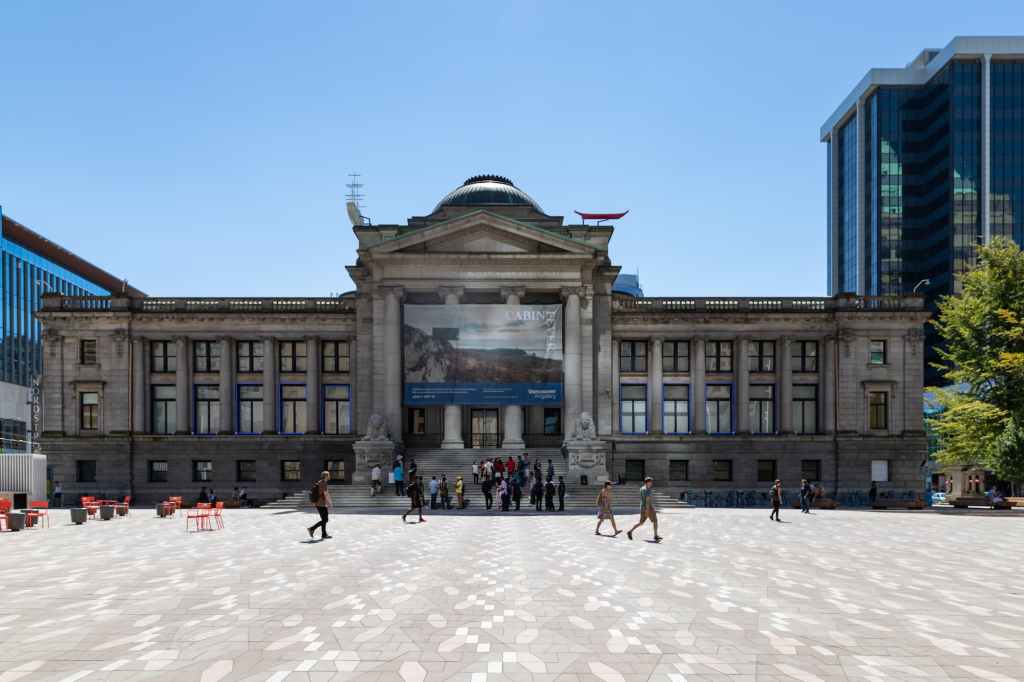
The Vancouver Art Gallery (VAG) has announced a new design direction for its new home at Larwill Park, a long-anticipated cultural project set to transform downtown Vancouver.
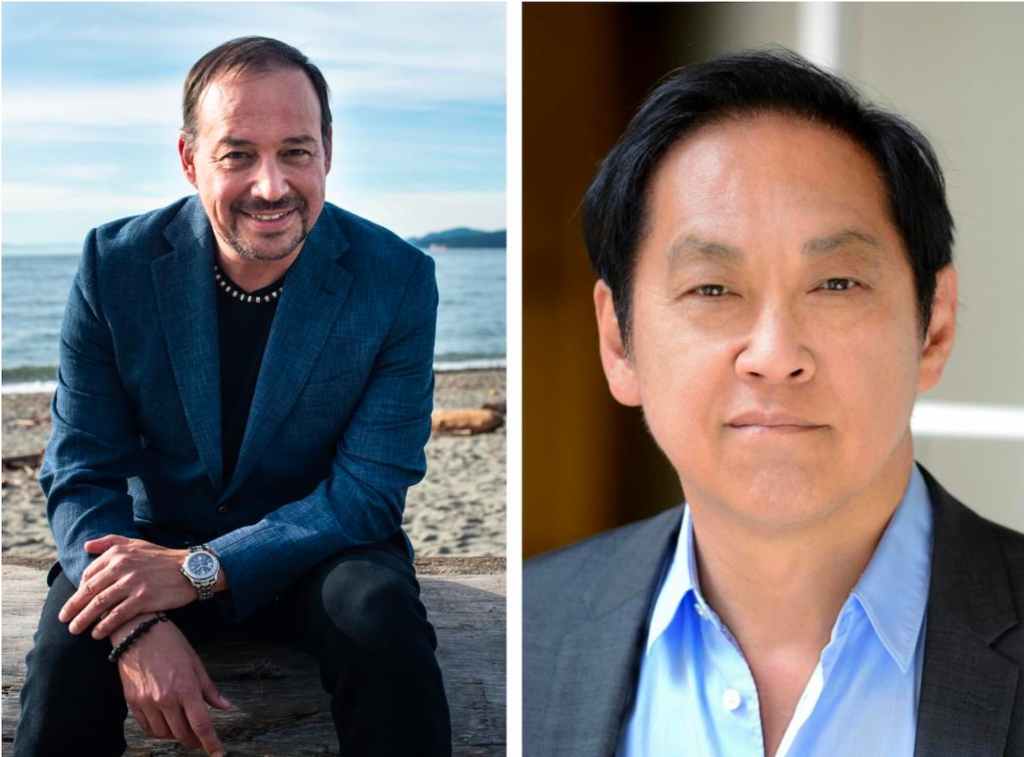
Following a months-long selection process that drew proposals from 14 Canadian firms, the Gallery’s Board of Trustees has chosen Formline Architecture + Urbanism, led by Indigenous architect Alfred Waugh, in partnership with KPMB Architects, co-founded by Bruce Kuwabara. Together, the firms will craft the next conceptual design for the project, expected to be unveiled in 2026.
A Reset After Herzog & de Meuron
When the Gallery first unveiled its plans for a new 300,000-square-foot building in 2014, it tapped Herzog & de Meuron, the Pritzker Prize–winning firm behind London’s Tate Modern and Beijing’s Bird’s Nest Stadium. Their timber-clad, stacked-box design was hailed for its boldness and ambition, positioning Vancouver at the center of international architectural discourse.
But as cost estimates ballooned from $400 million toward $600 million, fundraising lagged, and feasibility concerns mounted. By late 2024, the Gallery officially shelved the Herzog & de Meuron scheme, citing the need for a new process that balanced ambition with pragmatism and community resonance.
The decision to pivot away from a “starchitect” model was telling. For the largest cultural infrastructure project in Vancouver in over 30 years, the Gallery opted to turn inward, seeking Canadian-led proposals that could deliver architectural distinction while anchoring the project in local and Indigenous perspectives.
Fourteen Canadian Firms, One Winning Team
In early 2025, VAG invited 14 Canadian architecture firms to submit proposals, an unusually competitive shortlist that reflected the depth of domestic talent. The roster included some of the country’s most recognized practices: Diamond Schmitt, Hariri Pontarini, HCMA, Henriquez Partners, Michael Green Architecture, Office of Macfarlane Biggar (OMB), Patkau Architects, Perkins&Will, Revery, Saucier + Perrotte, Teeple Architects, 5468796 Architecture, along with Formline and KPMB themselves.
The Architect Selection Committee, comprising trustees, artists, benefactors, and construction experts, conducted in-depth reviews and interviews, supported by an advisory panel of architects and real estate professionals. The final choice — Formline + KPMB — underscores the Gallery’s intent to align architectural vision with values of equity, reconciliation, and cultural specificity.
“The selection of Formline + KPMB to envision the new Gallery is a bold and topical statement supporting Canadian innovation and excellence,” says Jon Stovell, Chair of the Gallery Association Board. “KPMB Architects brings a proven track record for creating elegant, world-class museums that center art and community, while B.C.–based Formline Architecture + Urbanism leads with an Indigenous design vision that is both contemporary and deeply rooted in tradition.”
Why Formline + KPMB
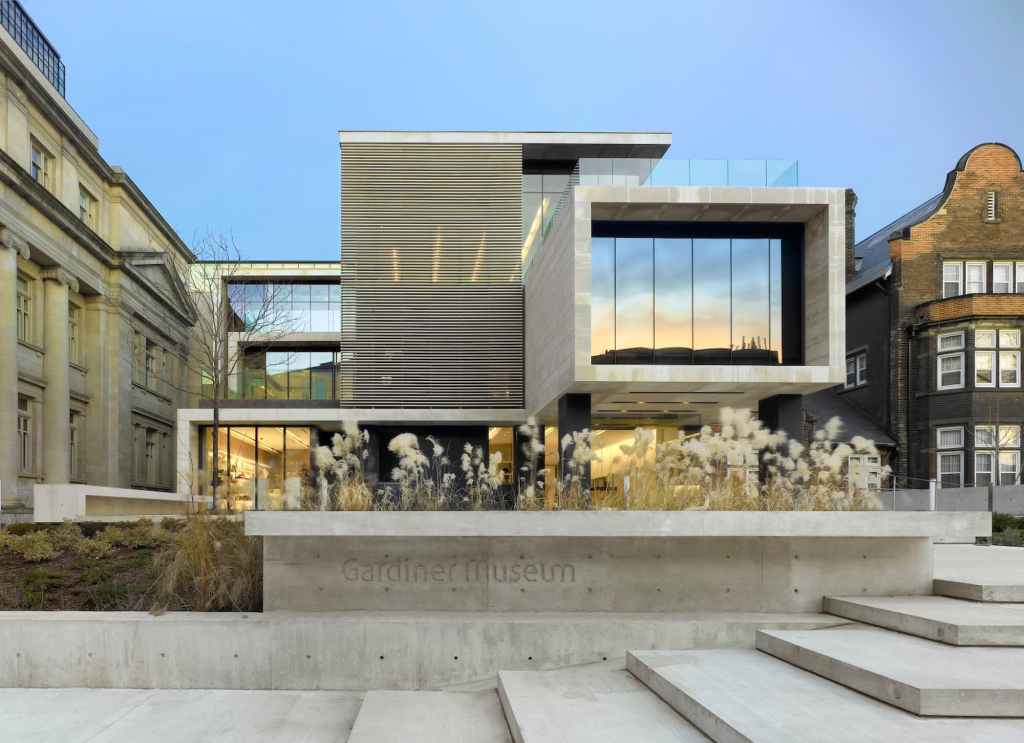
The winning partnership draws strength from both shared history and complementary expertise. KPMB Architects, led by founding partner Bruce Kuwabara, has designed cultural landmarks including the Gardiner Museum in Toronto and the Remai Modern in Saskatoon.
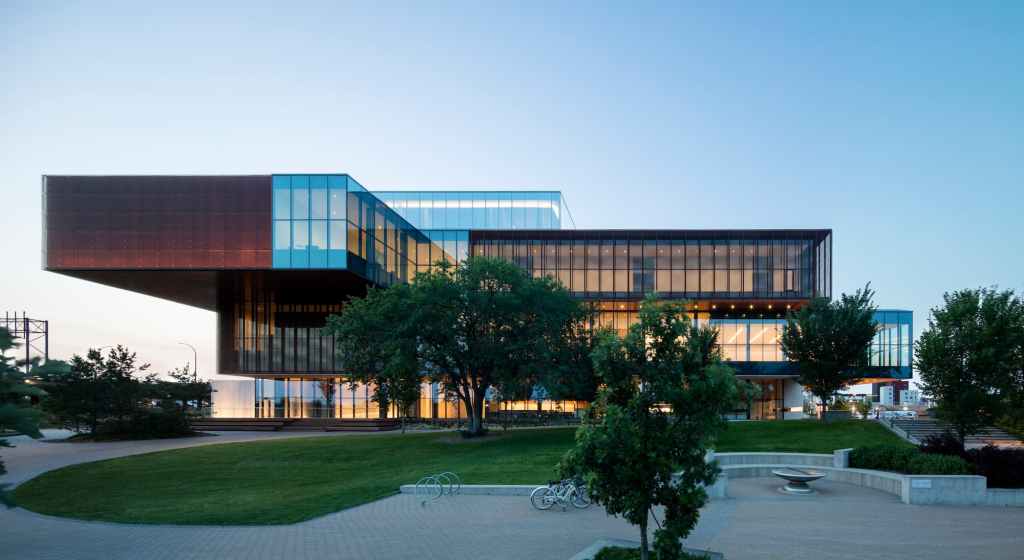
by Adrien Williams.
Their reputation for balancing elegance, pragmatism, and civic engagement gives the Gallery confidence in execution.
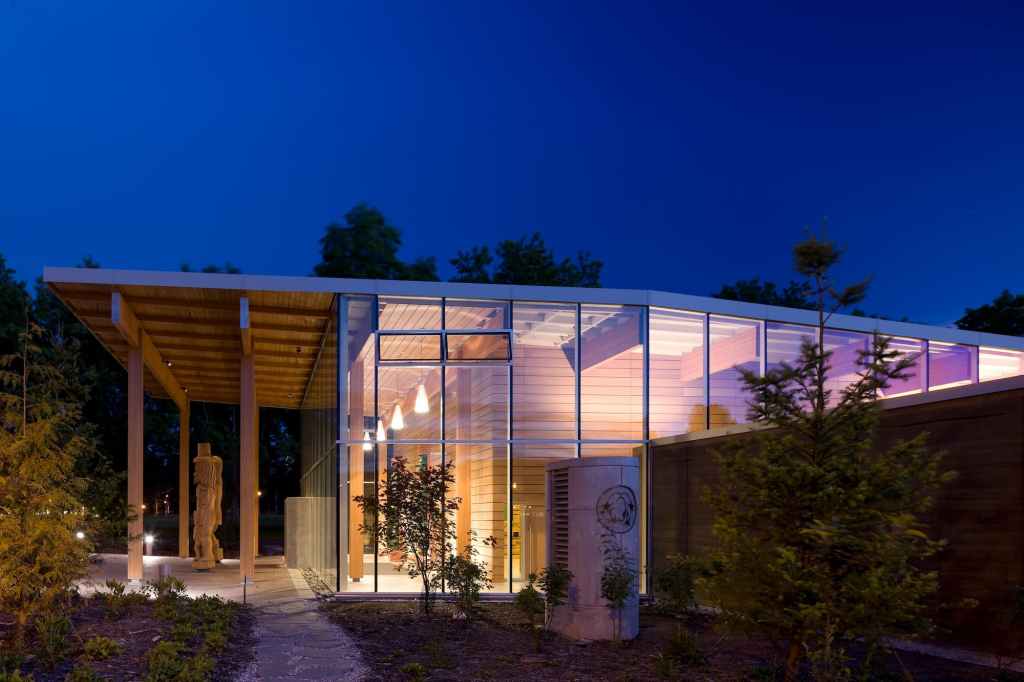
Photo courtesy of Formline Architecture + Urbanism
Formline Architecture + Urbanism, led by Alfred Waugh, brings Indigenous worldview and place-based design thinking to the forefront. Waugh’s portfolio — from the First Peoples’ House at the University of Victoria to the Indian Residential School History and Dialogue Centre at UBC — demonstrates how architecture can embody cultural memory and land-based values.
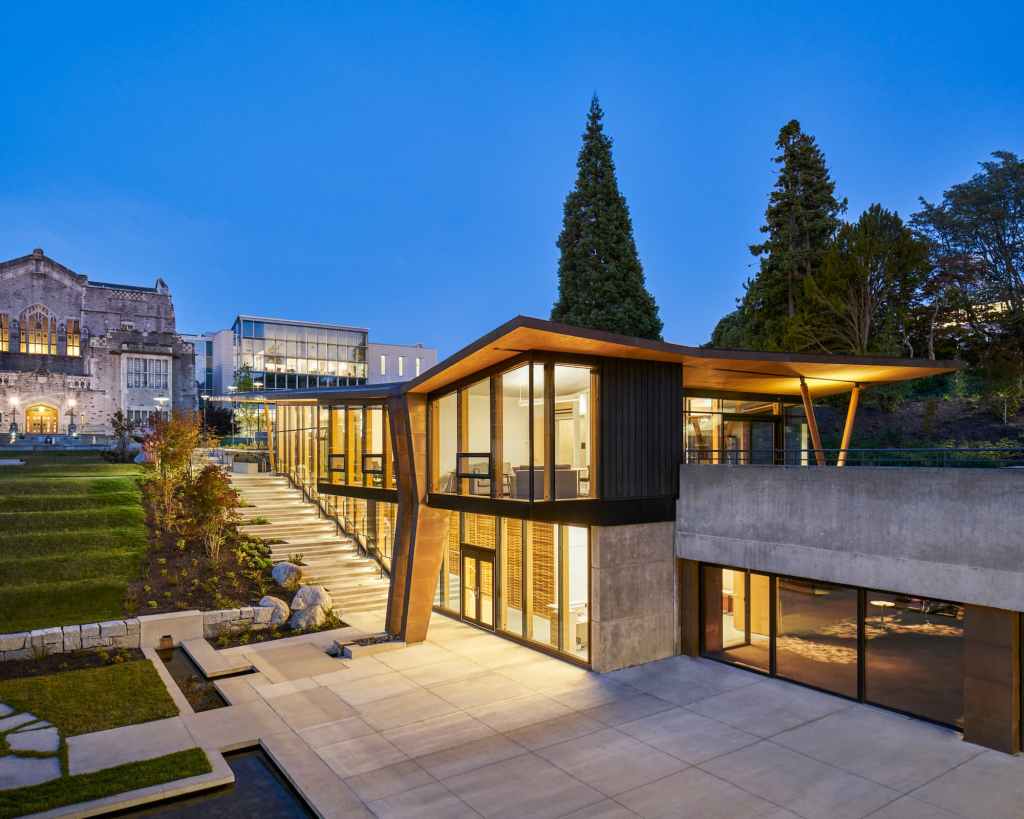
Photo courtesy of Formline Architecture + Urbanism.
Together, the firms promise a Gallery that will be both a civic landmark and a platform for Indigenous leadership in contemporary Canadian architecture.
“The Vancouver Art Gallery is the cultural memory keeper of British Columbia and holds a unique position in the Pacific Northwest. This is the largest cultural infrastructure project in Vancouver in over 30 years and we are thrilled to partner with Formline + KPMB to work towards a Gallery that supports storytelling, convening, innovation and access to art and ideas,” said interim co-CEOs Sirish Rao and Eva Respini.
A Project of Deep Personal Significance
For both Waugh and Kuwabara, the commission carries profound personal resonance.
“Our team is deeply honored to receive the commission to design the new Vancouver Art Gallery, as it brings my personal journey full circle in a profound way,” says Alfred Waugh, founder and principal of Formline. “My mother left this world too early, and during my formative years, she asked me to do something meaningful for our people—a request that has sparked my journey into architecture. Now we have been privileged with this opportunity to celebrate Vancouver’s vibrant culture while honoring the Indigenous peoples who have stewarded this land for generations and paying tribute to the beautiful mountains and lush rainforests that define our region.”
For Kuwabara, the project evokes family history and a return to British Columbia.
“It’s an honor to collaborate with Alfred Waugh and Formline to help shape the future of an institution that holds such profound cultural and civic significance for Vancouver and British Columbia—places that express a diversity of world views all at once,” says Bruce Kuwabara. “Following their release from an internment camp in British Columbia, my family relocated to Hamilton where I was born. Returning to the province to design the Vancouver Art Gallery is deeply meaningful for me.”
Why It Matters
The appointment of Formline + KPMB to design the new Vancouver Art Gallery is far more than a technical commission. It represents a symbolic gesture about the trajectory of Canadian architecture and the values shaping its future. In choosing this partnership, the Gallery signals a decisive move away from the starchitect model that has dominated cultural projects for decades. Rather than relying on international star power, it has embraced a locally rooted, collaborative, and fiscally grounded approach that foregrounds Canadian expertise.
Just as significant is the project’s emphasis on reconciliation. By placing Indigenous leadership at the center of a civic landmark to be built on unceded Coast Salish territory, the Gallery acknowledges both the historical context of its site and the responsibility to embed Indigenous worldviews into the heart of public architecture. This is not merely a symbolic gesture, but a meaningful reorientation of architectural practice toward inclusivity and cultural stewardship.
Finally, the commission stands as a test case for Canadian design capacity on the world stage. By entrusting Formline and KPMB with the country’s most ambitious cultural building in a generation, the Gallery affirms that domestic firms can produce architecture of international stature while engaging deeply with the communities they serve. The success of this project could redefine perceptions of Canadian architecture globally, demonstrating that excellence is not only compatible with but strengthened by cultural specificity, collaboration, and accountability.
As the new design is developed, with a concept expected in 2026, the Vancouver Art Gallery project will be closely watched as a bellwether for how cultural institutions in North America can balance global relevance with local responsibility.
This time, the ambition remains high — but the emphasis is on building a Gallery that is as much about Vancouver and British Columbia as it is about the global art world.