
The escalating threat of pollution is a pressing concern. Scientists have sounded the alarm about environmental contamination, which is now more prevalent and hazardous than ever. The pervasiveness and severity of pollutants, microplastics, and other unfortunate byproducts of human industry are sounding the alarm.
In some countries, the quantity of harmful per- and polyfluoroalkyl substances (PFAS) in wastewater has surged from 11% to 37% annually. Simultaneously, the frequency and severity of natural disasters have spiked, exacerbating the spread of pollutants.
The Los Angeles wildfires, which rendered even surviving buildings unsafe due to their toxic air, are a stark example of this phenomenon.
In response to this crisis, scientists are now developing environmental remedies at a frenzied pace. The following are promising technologies that bring hope to a dire situation.
A Reusable Sponge Material That Filters Metals and Microplastics
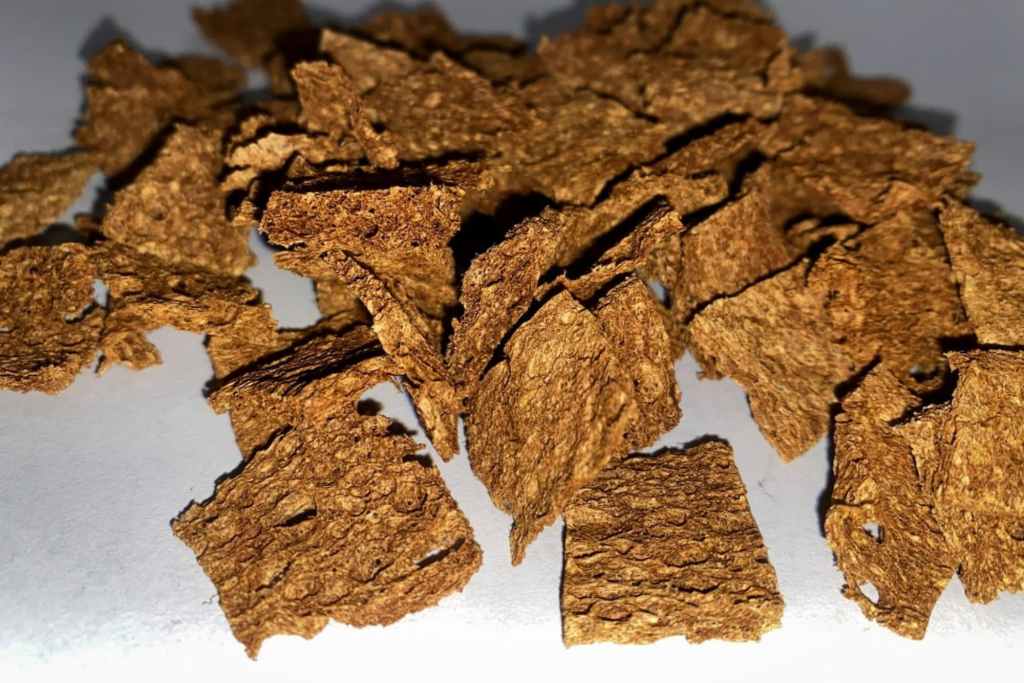
Researchers at Northwestern University have developed a specialized sponge material for effective waste cleanup in waterways. The sponge is made from hydrophilic cellulose coated with nanoparticles that attract elements like phosphate, zinc, copper, and lead. Tests revealed that the reusable material also effectively removes microplastics and oil from water bodies.
“The technology can be used as a universal sorbent or ‘catch-all,’ or it can be tailored to certain groups of contaminants like metals, plastics or nutrients,” explained principal investigator Vinayak Dravid in a Northwestern University press release.
The team is now working with StormTrap, a stormwater treatment company, to scale production of the material for cities like Chicago.
Bacteria-Filled Hydrogel Beads Cleanse Contaminated Groundwater
Another invention harnesses bacteria for the continuous cleanup of groundwater. Scientists at Oregon State University filled hydrogel beads made of gellan gum with the bacteria Rhodococcus rhodochrous and a slow-release substrate. When water passes over the beads, volatile organic compounds like industrial degreasers—which can enter groundwater via storm runoff or leaky storage tanks—infuse the material.
The bacteria have a special enzyme that converts these toxins into harmless compounds. What exits the beads are purified water and safe byproducts, including CO2 and chloride ions. The solution is highly effective, removing 99% of contaminants. The team is now devising various products for onsite deployment, such as bead-filled mesh bags that can be deposited in wells or trenches.
A Low-Heat Method for PFAS Removal Using Activated Carbon
University of Missouri researchers have developed a way to remove PFAS, known as “forever chemicals,” from drinking water. Lead engineer Feng Xiao discovered a simple solution to heat the chemicals with granulated activated carbon (GAC). GAC is made of carbon-rich granules such as coal and wood and is a widely used filtering medium to clean drinking water.
When PFAS is added to GAC and heated to 572°F, 90 percent of the PFAS is converted into fluorine. This approach improves upon previous methods, requiring high pressure, solvents, or temperatures above 1292°F. The GAC process is quicker, less expensive, and can be achieved with a consumer-grade furnace—all good news for many industries struggling to manage this detrimental substance.
“In the Midwest, we use a lot of herbicides and give animals a lot of pharmaceuticals,” said Xiao in a University of Missouri press release. “These substances can contain high amounts of PFAS. Through this new removal method, we can drastically reduce the compounds’ presence in our lives.”
UV Light and Oxidation Destroy PFAS in Firefighting Foam
Another team developed a PFAS-removal strategy involving light. Researchers at University of California, Riverside and Clarkson University aimed to treat fire-suppression foams, which contain large quantities of PFAS. The team devised a method of applying ultraviolet light, sulfite (a sulfur-based compound), and electrochemical oxidation to break down the foams in polluted water.
The combination of UV and oxidation “achieved near-complete destruction of PFAS in various water samples contaminated by the foams,” explained chemical engineer Jinyong Liu in a UC Riverside press release.
An advantage of this method is that it also treats the other ingredients found in fire-suppression foams, such as organic compounds that inhibit the breakdown of PFAS. Liu claims this process is ideal for purifying water used to clean heavily contaminated firefighting equipment, hoses, tanks, and containers.
Toward a Future Where Buildings Heal Their Environment
These examples underscore the unwavering commitment of the scientific community to environmental remediation. They also offer a glimmer of hope in the face of an overwhelming problem. While many of these innovative methods are still in the testing phase, their potential is significant.
As natural calamities contributing to the unintentional spread of forever chemicals and other pollutants become more frequent, the need for proactive environmental cleanup becomes more urgent. It is not an unrealistic objective that all new building and infrastructure projects must include some means of proactive environmental cleanup as a design requirement. Linking these practices to new construction may be the key to making measurable progress against such a wicked problem.