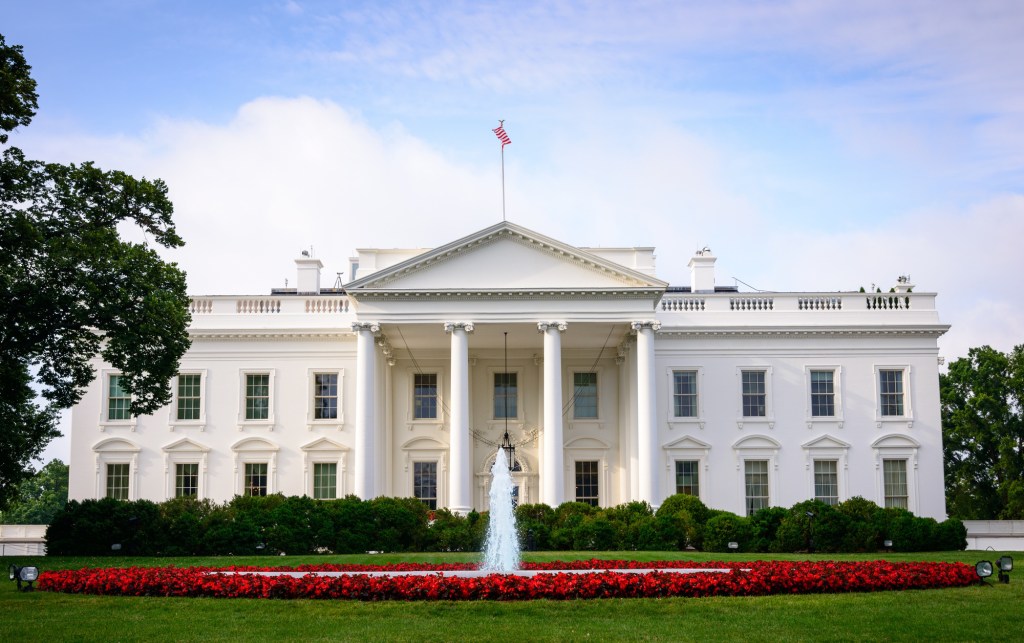
In a dramatic policy shift poised to reshape the architectural identity of America’s civic realm, the White House has issued an executive order — the third of its kind — requiring federal agencies to prioritize classical and traditional architecture in all major public buildings.
Invoking the legacy of George Washington, Thomas Jefferson, and Pierre Charles L’Enfant, the order situates the nation’s architectural future squarely within the visual and cultural framework of its neoclassical past.
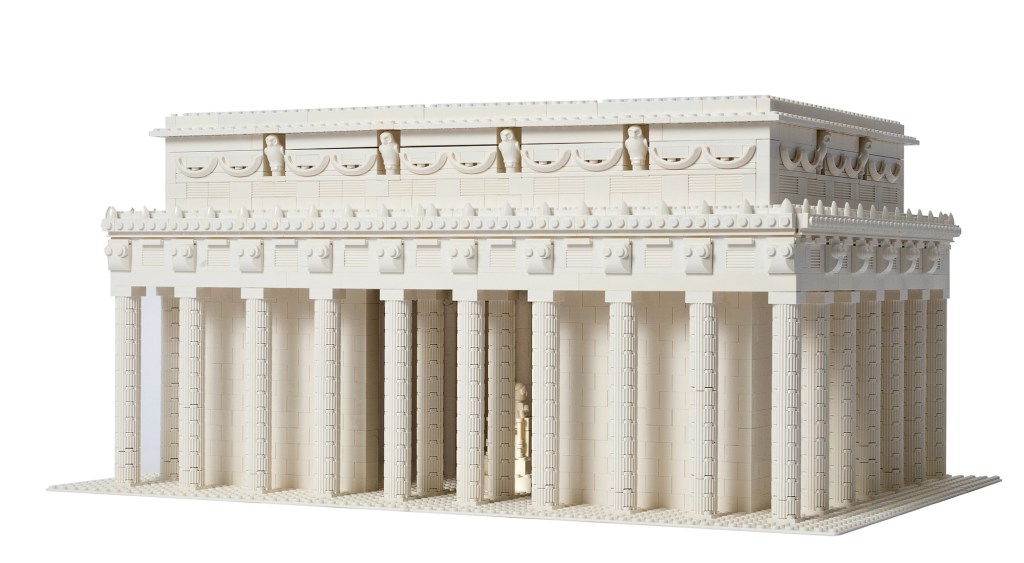
The text leaves little ambiguity about its intent: federal buildings must “uplift and beautify public spaces, inspire the human spirit, ennoble the United States, and command respect from the general public.” In Washington, D.C., the directive goes even further, declaring classical architecture to be the default style for any new federal construction unless exceptional circumstances warrant a different approach.
The order signals a decisive break with the postwar modernist and Brutalist buildings that, in the administration’s view, alienated the public and diluted the civic gravitas of the federal landscape.
The last directive on federal architecture, Promoting Beautiful Federal Civic Architecture, was signed on January 20, 2025. It expanded on an earlier order from Trump’s initial term, first introduced in December 2020.
Process, Oversight, and the Role of Architects
What makes this order more than a symbolic gesture is its deliberate restructuring of how federal architecture will be designed and approved. The mandate calls for design competitions to prioritize architects with demonstrable experience in classical and traditional forms, thereby reshaping the competitive landscape for lucrative federal commissions.
It also requires that GSA architects overseeing these projects possess either formal training or substantial professional experience in traditional architecture, ensuring that decision-makers themselves are steeped in the design language the order seeks to advance.
Moreover, any decision to approve a federal building that deviates from the classical preference must now undergo rigorous scrutiny. Detailed cost analyses, long-term maintenance projections, and aesthetic justifications must be presented before a non-classical design can proceed—and in the case of major projects, the White House itself must be notified at least thirty days in advance before any final approval can be granted. Even existing federal buildings are not immune; the order encourages exploring the feasibility of retrofitting or redesigning structures that fail to meet the new aesthetic criteria, particularly with respect to their exterior appearances.
Implications for Practice and Profession
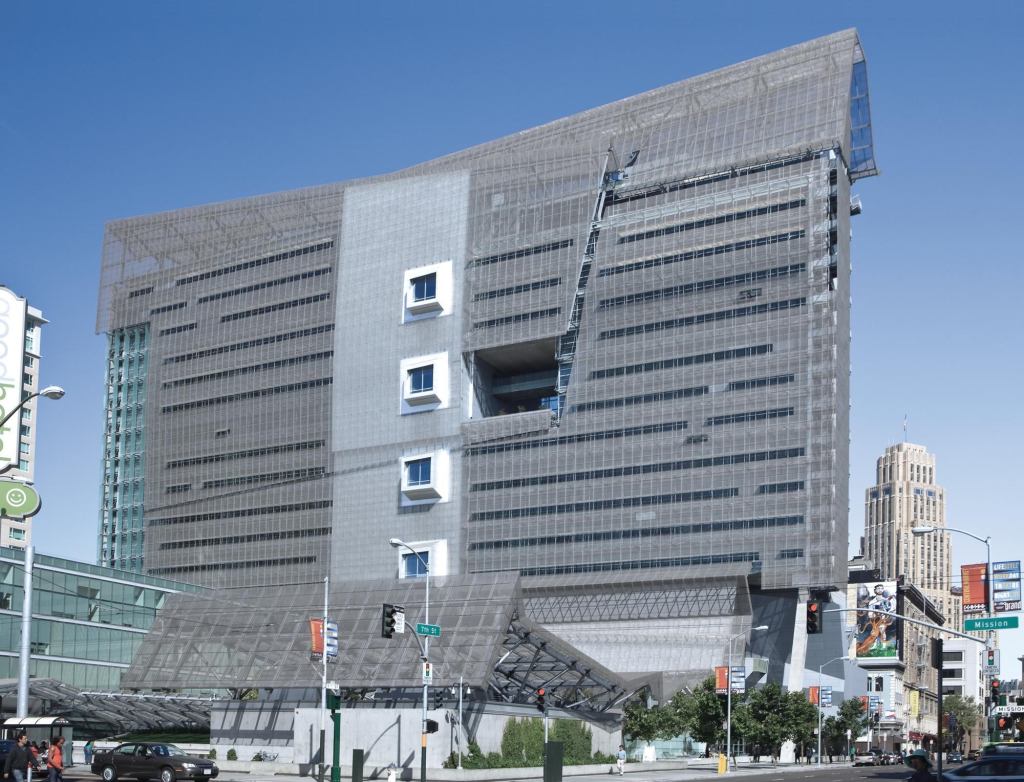
For the architectural profession, the order represents a profound pivot in federal patronage. For decades, modernist and contemporary firms—whose work often embraced glass, steel, concrete, and fragmented geometries—have dominated the federal portfolio, producing everything from Marcel Breuer’s heavy-set FBI Building to Thom Mayne’s angular San Francisco Federal Building. The new policy threatens to redirect billions of dollars in federal contracts toward firms conversant in the vocabulary of columns, pediments, and proportional harmony rather than exposed concrete, minimalism, or experimental form-making.
Such a move will undoubtedly spark controversy. Critics are likely to view the order as a politicization of design, an aesthetic ideology imposed from above at the expense of architectural pluralism and creative freedom. Supporters, however, will argue that the policy restores civic beauty, public accountability, and cultural continuity after decades in which government buildings frequently prioritized avant-garde statements over symbolic legibility or public appeal.
The Larger Question: Who Decides What Is ‘Beautiful’?
Beyond the immediate architectural implications, the order raises a philosophical question with far-reaching consequences: in a democracy, who ultimately decides what constitutes beauty, dignity, or civic symbolism in the built environment? Should public buildings reflect the consensus of architectural experts and critics, or should they conform to broader popular preferences and historical continuity?
Whatever the answer, the battle lines have been drawn. By formalizing a preference for classical and traditional architecture in federal policy, the White House has reignited a century-old debate over modernism, tradition, and the civic role of architecture.
As new federal projects break ground under this order, architects, critics, and the public alike will confront the enduring tension between aesthetic authority and democratic expression—a tension now enshrined in the very walls of the nation’s most visible buildings.