



Wallcovering manufacturer Wolf Gordon is at the forefront of the…
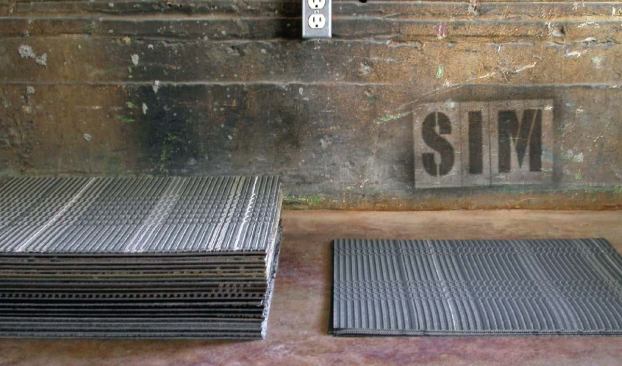
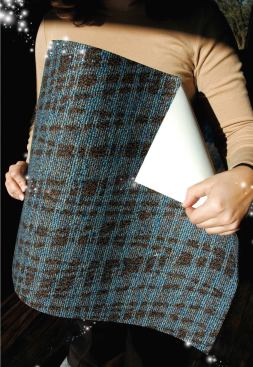
For Bragdon, tracking environmental impact is good business practice, and it dovetails nicely with the mindset of a demographic that’s been quick to adopt the product. “You cannot underestimate the weight that the younger generation of architects and interior designers puts on sustainability and reducing waste,” he notes. “Green is not a trend anymore; it is how things should be done. The whole industry is shifting as part of a larger way things, from the manufacturer to the buyer, are made.” Encouraging other segments of the design world to innovate is part of Tricycle’s grand scheme. In early summer, the company plans to announce developments in wallcovering sampling (the company has already created samples for Set Walls) and an expansion into the world of fabrics—introducing sustainable SIMs to new markets.
On the Cutting Edge
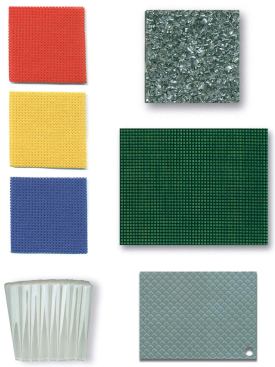
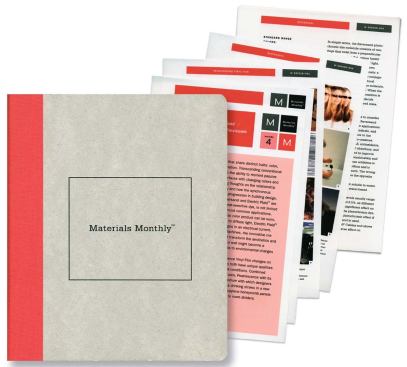
For those who are interested in being kept up-to-date on innovations in the materials market without having to mount their own research campaign, this season also marks the return of Materials Monthly, the Fruit of the Month Club–like, subscription-based service for materials junkies published by Princeton Architectural Press. Laurie Manfra helms the latest 10-issue volume, following in the footsteps of former editors Jennifer Segal, of the Office of Mobile Design, and Blaine Brownell, Transmaterial-guru. Each month, a hardcover book–sized box arrives in the mail, containing three to five samples as well as product literature and specifications. Manfra plans to mix old favorites and cutting-edge samples in each issue, with the aim to make the selections fresh with insights drawn from independent researchers in addition to manufacturers’ data. “I’m hearing from architects that there is a need to have a more critical understating of materials,” she explains. “They need to determine if a product is appropriate in a certain climate. They are looking at its environmental impact and life cycle, and how it combines with other materials.”
The first issue of Materials Monthly deals with the theme of modern adaptation—products designed to replace materials that were pioneering in the 1950s but are now in desperate need of an update. “These materials tell a story of modernism and still carry the spirit of innovation,” says Manfra, keeping specific product descriptions under wraps. The next installment tackles a taboo, toxic, and contentious construction material: vinyl. Manfra hopes to give a well-rounded collection of recycled and freshly made samples, supported by specs, so architects can make informed decisions.
Materials Monthly was conceived originally to appeal to the small architecture firm or design/build practice looking to inexpensively grow its materials collection (a one-year volume is $200). Manfra sees a wider readership. “Materials Monthly appeals also to homeowners and techies who don’t have access to sales reps,” she explains. Because it is linked to a book publisher and not a product manufacturer, single copies are available in design bookstores and museum shops, opening up the world of architectural product samples to an even broader, and more mainstream, audience. June brings a relaunch of www.materialsmonthly.com. Using categories developed by Brownell for Transmaterial, it promises to be a database of novel materials and a resource for sustainable products, although it won’t have all the same editorial open to the public as it does to subscribers.
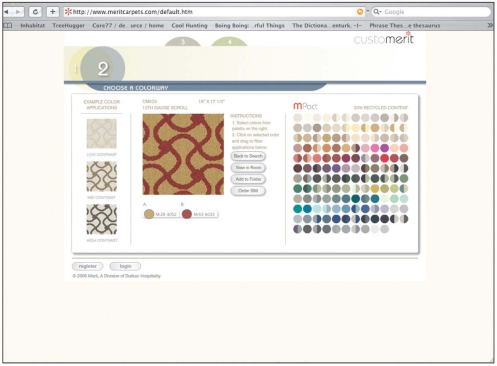
While is naïve to think that all product samples will disappear, architecture is a tactile profession and real materials must be touched and seen. The online presences of companies such as Materials Monthly and Wolf-Gordon, as well as Tricycle’s digital modeling, go a long way to lightening up sample libraries. Not only do the sites declutter, but they also actively engage the designer, emphasizing research and environmental awareness.
