
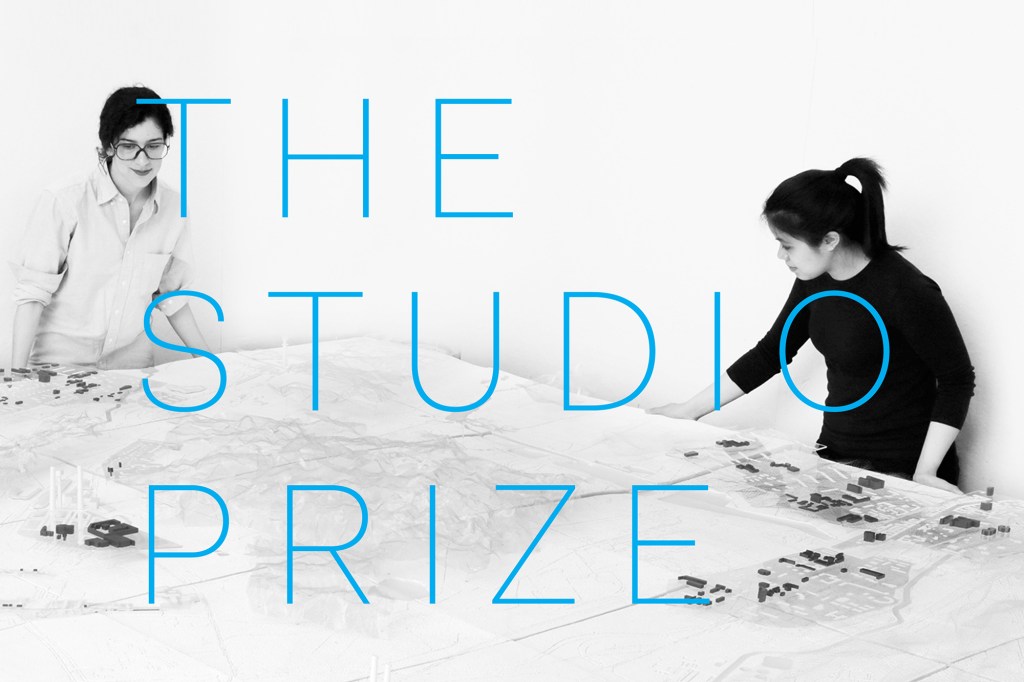
Studio Brief: This urban design studio for first-year master’s students studying architecture and urban planning focused on post-industrial transformation in the coal-producing region of southern Poland. Students were tasked with developing proposals for the region’s post-coal future that emphasized environmental reclamation and social reconstruction. The intended outcome was not solely buildings or infrastructure projects, but also policy proposals that could guide the region’s transition.
Investigation: As southern Poland shifts away from coal mining, its landscape, population, and economy are undergoing a dramatic reconfiguration—one to which a typical urban design approach doesn’t apply. To understand the region’s unique conditions, the students did extensive in-studio mapping and spatial analysis of the area, and researched emerging development models as potential precedents for reorganizing policies and development patterns. They then embarked on a 10-day research trip, starting in Berlin, where they toured the nontraditional developments they’d studied, followed by a trip into southern Poland’s coal country. Through a collaboration with a local university, the students were given a firsthand look at the region’s communities, touring industrial sites and seeing the social implications of the area’s economic transformation.
After returning to MIT, the students developed proposals centered around interventions that engage both the sites and residents. “More than creating a physical project, it was about shifting the perception of the industrial landscape, and preparing the social and environmental context for something new,” says lecturer Marie Law Adams, AIA, who co-led the studio with associate professor Rafi Segal.
That approach grabbed the attention of the jury: Carlos Jiménez noted that he was “very impressed by the thoroughness of the intention of the studio.”
Student Work:
Silesia By Nature
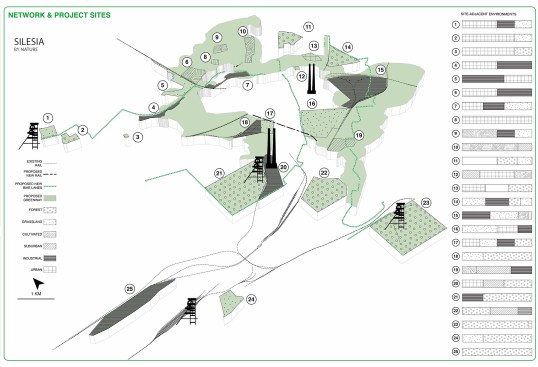
Nayeli Rodriguez and Mario Giampieri, working together, proposed a framework for community-based decision-making to address the redevelopment opportunities in the industrially degraded landscape, particularly around the city of Katowice in eastern Silesia. An app, backed by a marketing campaign, allows residents and stakeholders to map out potential projects that range from new temporary housing to the historic preservation of existing structures, allowing for community involvement in shaping the new direction of their region.

courtesy MIT
Studio site model

Nayeli Rodriguez and Mario Giampieri
App interface
Nayeli Rodriguez and Mario Giampieri
App interface

Nayeli Rodriguez and Mario Giampieri
Marketing campaign
The Civic Forest
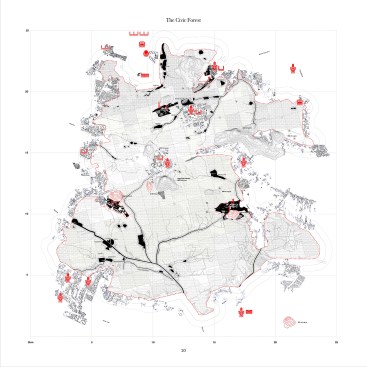
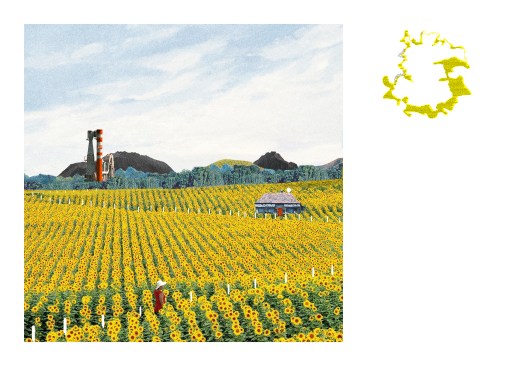
Forests cover about 30 percent of Silesia, but they have been degraded by decades of pollution and industry. The team of Giovanni Bellotti, Alexander Wiegering, Diana Ang, and Kelly Leilani Main looked at how to reinvigorate the woodlands and reconnect them to the community as a natural resource. In particular, the students looked at the logging cycle, which creates clearings whose locations change each year. They proposed cultural programming centers around a large community table or gathering space that could be moved from one clearing to another over the course of the season.
Diana Ang, Giovanni Bellotti, Kelly Leilani Main, and Alexander Wiegering
Region Plan Showing Population Centers and Potential Sites
Diana Ang, Giovanni Bellotti, Kelly Leilani Main, and Alexander Wiegering
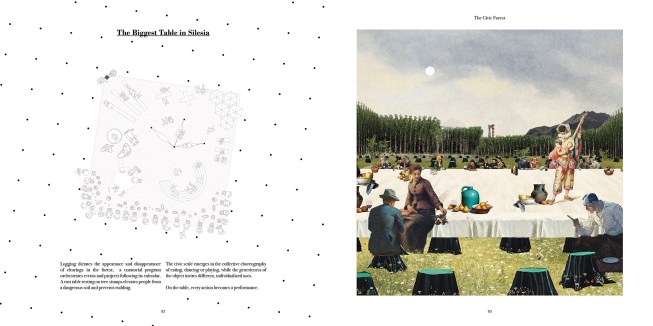
Diana Ang, Giovanni Bellotti, Kelly Leilani Main, and Alexander Wiegering
Site Plan for Cultural Gatherings at "The Civic Table"
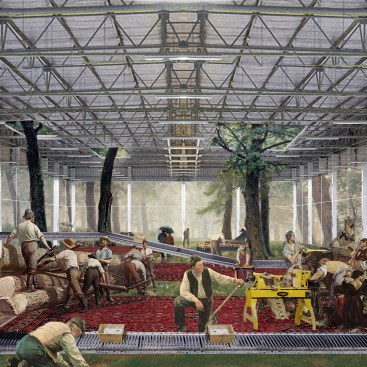
Diana Ang, Giovanni Bellotti, Kelly Leilani Main, and Alexander Wiegering
Z Koplani: Out of the Mines
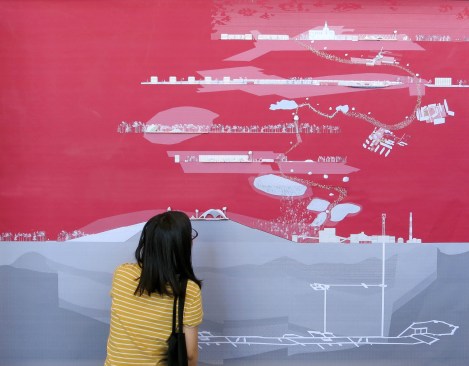
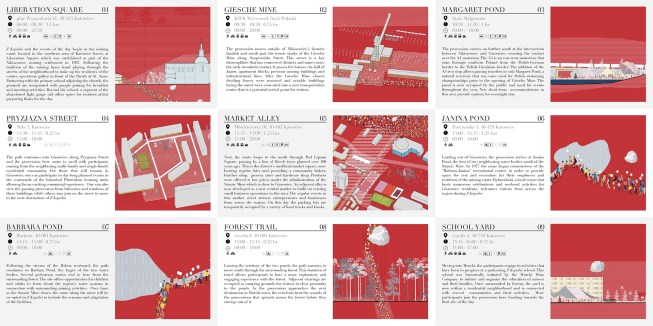
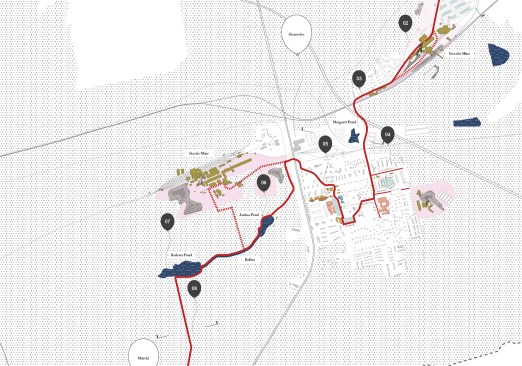
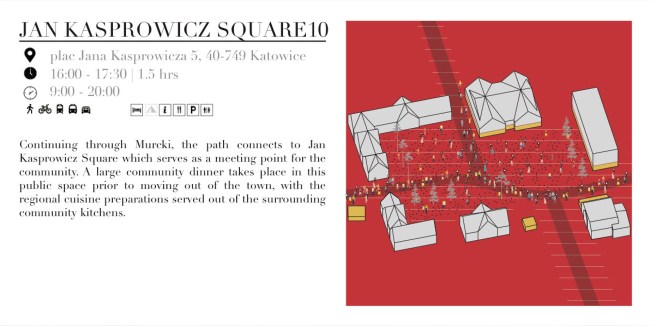
Ranu Singh, Daya Zhang, and Monica Hutton developed a narrative around a traditional Miners’ Day festival in the region, tweaking it to draw stronger social and economic ties between the various Silesian mining communities. They devised a scheme for cultural events that celebrates community heritage with programming along a specific geographic route, and their plan even addressed year-round fund-raising goals that could make the project a reality.
Ranu Singh, Daya Zhang, and Monica Hutton
A visitor examines an axonometric route map at an exhibition of the studio's work
Ranu Singh, Daya Zhang, and Monica Hutton
Sample activities at each stop
Ranu Singh, Daya Zhang, and Monica Hutton
Route map for the festival
Ranu Singh, Daya Zhang, and Monica Hutton
Activity detail
Studio Credits
Course: Urbanism After Extraction
School: Massachusetts Institute of Technology School of Architecture + Planning
Level: M.Arch., with preprofessional degree (year one); Master of Science in Architectural Studies, Master in City Planning
Duration: Spring 2017 semester
Instructors: Rafi Segal (associate professor of architecture and urbanism), Marie Law Adams, AIA (lecturer of urban design and planning)
Teaching Assistant: Garine Boghossian
Students: Monica Hutton, Ranu Singh, Daya Zhang, Diana Ang, Giovanni Bellotti, Kelly Leilani Main, Alexander Wiegering, Mario Giampieri, Nayeli Rodriguez (submitted projects); Nneka Sobers, Max Moinian, Akemi Sato, Justin Lim
Collaborators: Silesian University of Technology; Association of Polish Architects, Katowice; studio travel funded by MIT Leventhal Center for Advanced Urbanism and MIT Department of Urban Studies and Planning