Calstar Bricks and Pavers

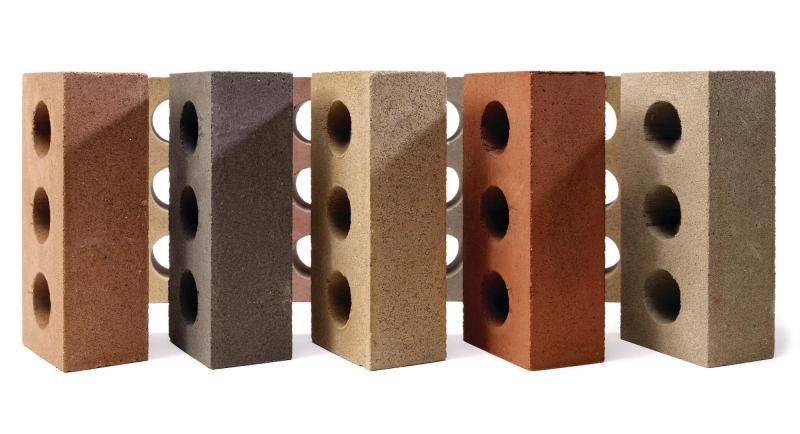
CalStar bricks and pavers are made with 40% recycled content in a production process that generates 85% less carbon dioxide and uses 85% less energy than traditional fired clay. Made with fly ash, a byproduct of the utility industry, the bricks and pavers come in eight colors, one size (4" by 8"), and two finishes. When specified for a 100,000-unit project, according to the company, Calstars pavers can save 210 tons of new raw material mining and 40 tons of carbon dioxide emissions. calstarproducts.com

CalStar bricks and pavers are made with 40% recycled content in a production process that generates 85% less carbon dioxide and uses 85% less energy than traditional fired clay. Made with fly ash, a byproduct of the utility industry, the bricks and pavers come in eight colors, one size (4" by 8"), and two finishes. When specified for a 100,000-unit project, according to the company, Calstars pavers can save 210 tons of new raw material mining and 40 tons of carbon dioxide emissions. calstarproducts.com

CalStar bricks and pavers are made with 40% recycled content in a production process that generates 85% less carbon dioxide and uses 85% less energy than traditional fired clay. Made with fly ash, a byproduct of the utility industry, the bricks and pavers come in eight colors, one size (4″ by 8″), and two finishes. When specified for a 100,000-unit project, according to the company, Calstar’s pavers can save 210 tons of new raw material mining and 40 tons of carbon dioxide emissions. calstarproducts.com

About the Author

Jennifer Brite

Jennifer Brite is a design journalist and public-health scientist who is currently pursuing a doctorate in public health with a concentration in epidemiology and demography at the City University of New York. For ARCHITECT, she writes about new products and sustainable design.

No recommended contents to display.

Upcoming Events

  • Build-to-Rent Conference

    JW Marriott Phoenix Desert Ridge

    Register Now
  • Reimagining Sense of Place: Materiality, Spatial Form, and Connections to Nature

    Webinar

    Register for Free
  • Homes that Last: How Architects Are Designing a Resilient Future

    Webinar

    Register Now
All Events