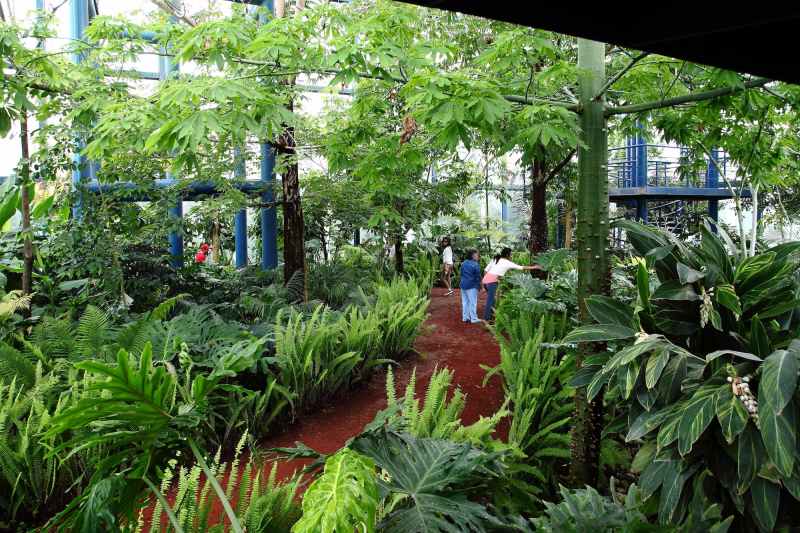
Few landscape architects have blended ethics and aesthetics as seamlessly as Mario Schjetnan, the Mexico City–based designer who for nearly five decades has shaped the open spaces of modern Mexico. His projects—at once civic, ecological, and poetic—have reimagined quarries, oil refineries, and historic parks into living, breathing public landscapes.
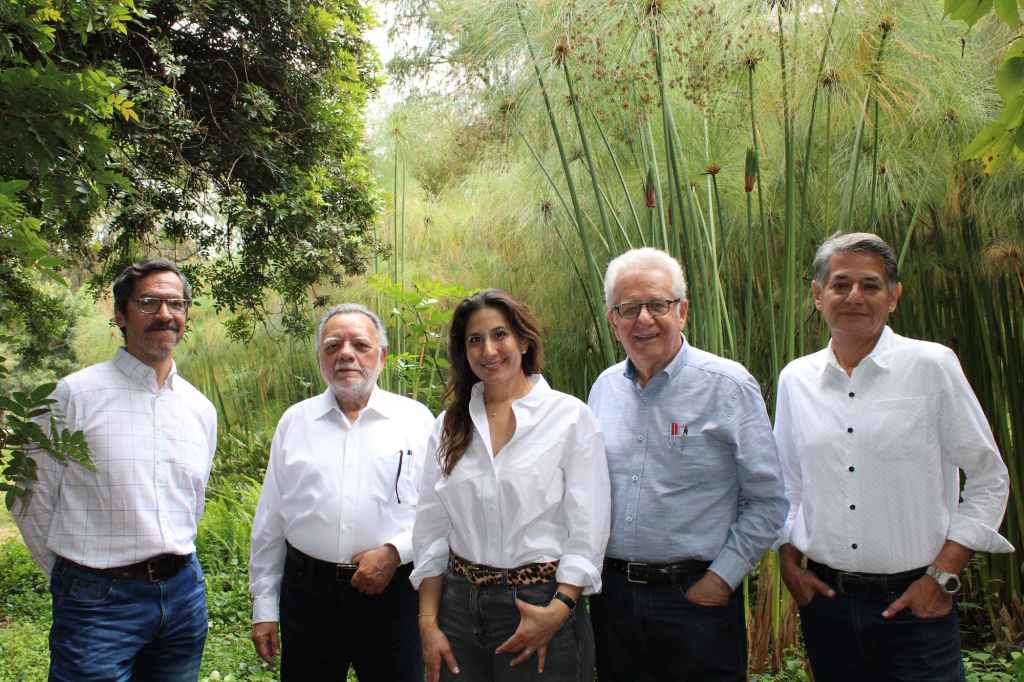
Now, Schjetnan and his firm Grupo de Diseño Urbano (GDU) have been awarded the 2025 Cornelia Hahn Oberlander International Landscape Architecture Prize, the profession’s highest global honor. Announced October 14 by the Cultural Landscape Foundation (TCLF), the biennial award recognizes practitioners who are “exceptionally talented, creative, courageous, and visionary.” The prize includes a $100,000 award and two years of public programming that will bring Schjetnan’s work to an international audience.
In recognizing Schjetnan, the Oberlander jury cited GDU’s “strong voice for social engagement and environmental justice” and its ability to “bridge the ethical and the aesthetic, advocating for access to nature in the city as a fundamental human right.”
For Schjetnan, this principle has always been clear: “We have a human right to open space.”
A Pioneer of the Latin American Landscape
Born and educated in Mexico, with a master’s degree in landscape architecture from UC Berkeley, Schjetnan came of age in a period when Mexico’s cities were expanding rapidly and often chaotically. As head of urban and housing design for INFONAVIT in the 1970s, he helped deliver 100,000 new housing units—an experience that revealed to him the environmental and social complexities of urbanization. “It was like a postdoctoral degree in Mexico,” he later recalled. “We discovered the mosaic of cultures that make up this country.”
In 1977, he founded Grupo de Diseño Urbano with architect José Luis Pérez, creating one of Latin America’s first multidisciplinary practices uniting architecture, landscape, and urban design. Over the next half-century, GDU would reshape the fabric of Mexican public life—from the restoration of the Xochimilco Ecological Park, a UNESCO World Heritage site, to the transformation of industrial wastelands like La Mexicana Park and Bicentennial Park into vibrant urban commons.
Design as Environmental Justice
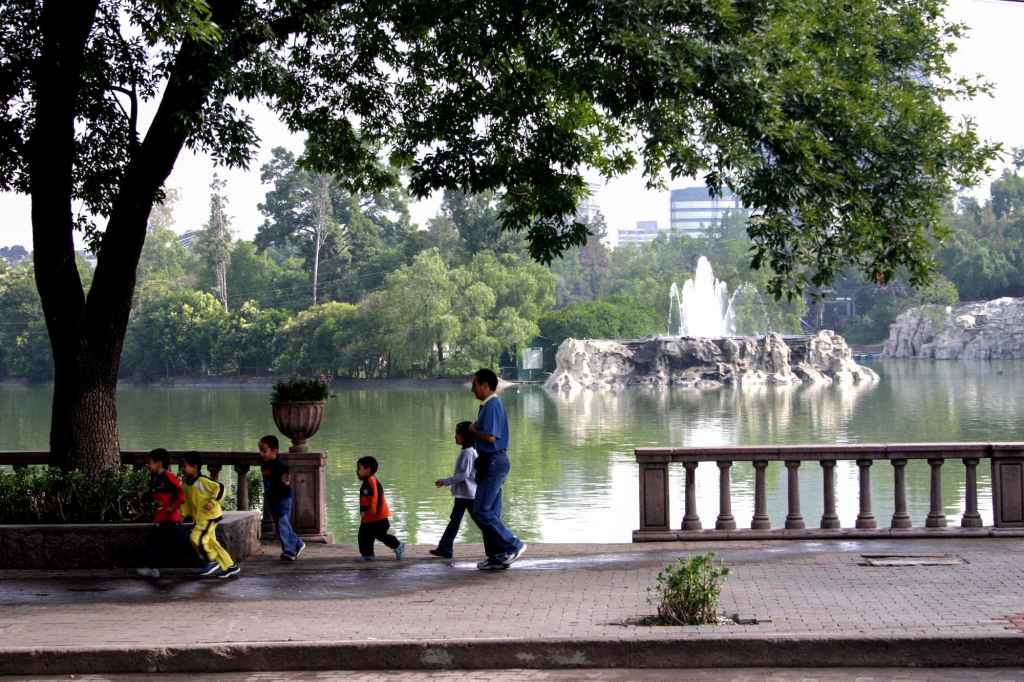
Schjetnan’s work stands out not just for its formal beauty but for its insistence on equity. His landscapes are designed to serve everyone—from the informal vendor in Chapultepec Park to the cyclist at La Mexicana or the child discovering native ecosystems in the Bicentennial Park gardens.
“Schjetnan’s projects are public works in the truest sense,” says Charles A. Birnbaum, TCLF’s president and CEO. “For more than 50 years, his unwavering commitment to open space as a human right and to the integration of cultural values into design has reshaped what an equitable built environment looks like.”
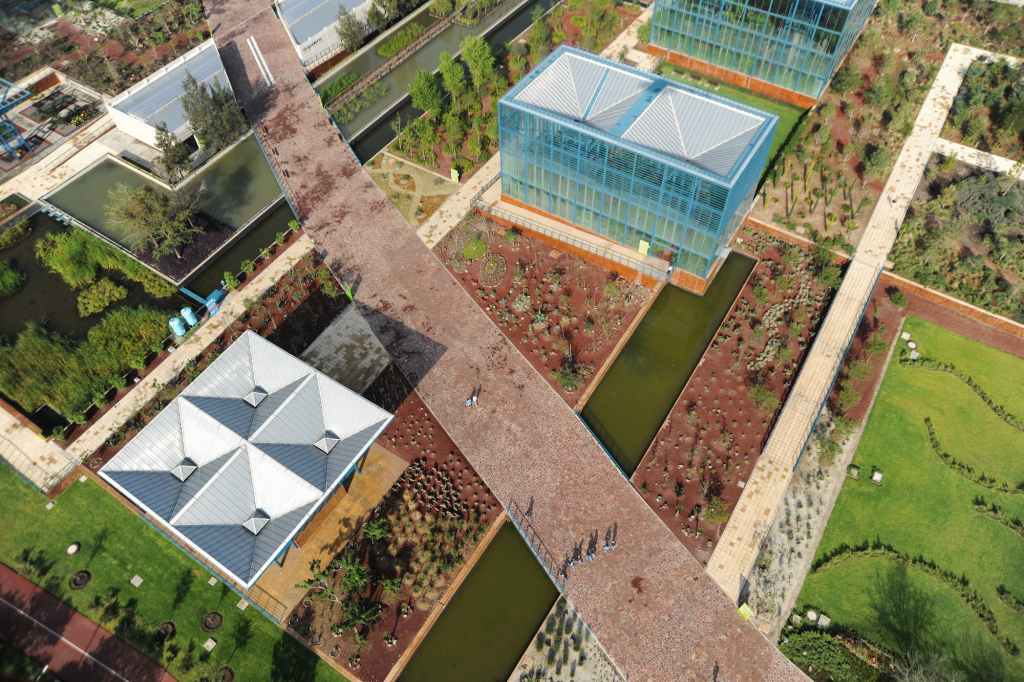
That philosophy manifests in tangible “invariants” throughout GDU’s work—elements such as plazas, stone walls, and water tanks—that reference Mexico’s vernacular materials and collective memory. “The concept of culture is what defines a GDU landscape,” Schjetnan says. “The landscape is really about culture.”
Iconic Works: From Chinampas to Quarries
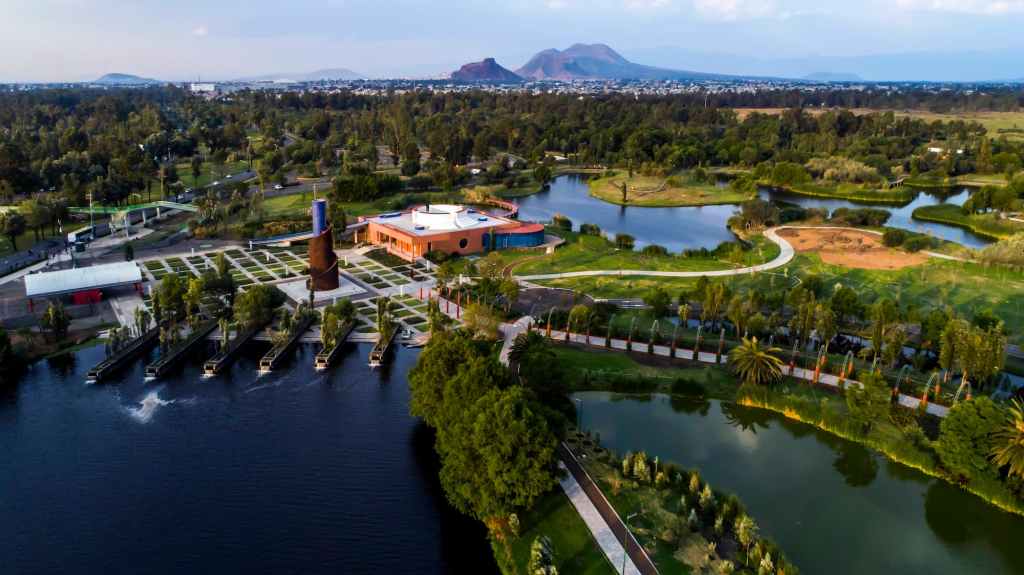
Among GDU’s most celebrated projects is the Xochimilco Ecological Park (1990–93), which restored an ancient network of canals and chinampas—floating agricultural islands first built by the Aztecs—into a thriving ecological and recreational park. The design’s integration of hydrology, habitat restoration, and urban agriculture prefigured today’s climate-resilient design discourse by decades.
In Chapultepec Park, Mexico’s “Central Park,” GDU’s decades-long stewardship has revitalized the 2,140-acre landscape—introducing a botanical garden, new promenades, and restored water systems—all while balancing layers of Aztec, colonial, and modern heritage.
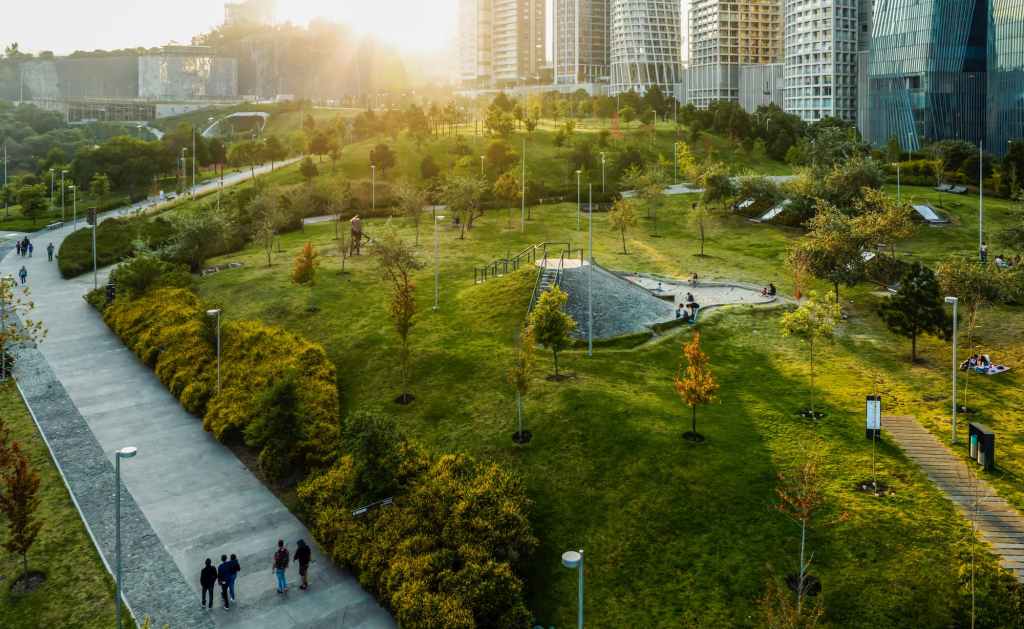
And in La Mexicana Park, a post-industrial crater in Mexico City’s Santa Fe district, Schjetnan demonstrated how private development could fund expansive public green space. Built through an innovative public-private partnership, the 99-acre project reserves 70% of the site for public parkland—an unprecedented move in a megacity under pressure from real estate speculation.
Together, these works form a manifesto for how cities can reclaim land and reimagine ecological infrastructure as civic identity.
Global Reach and Cultural Resonance
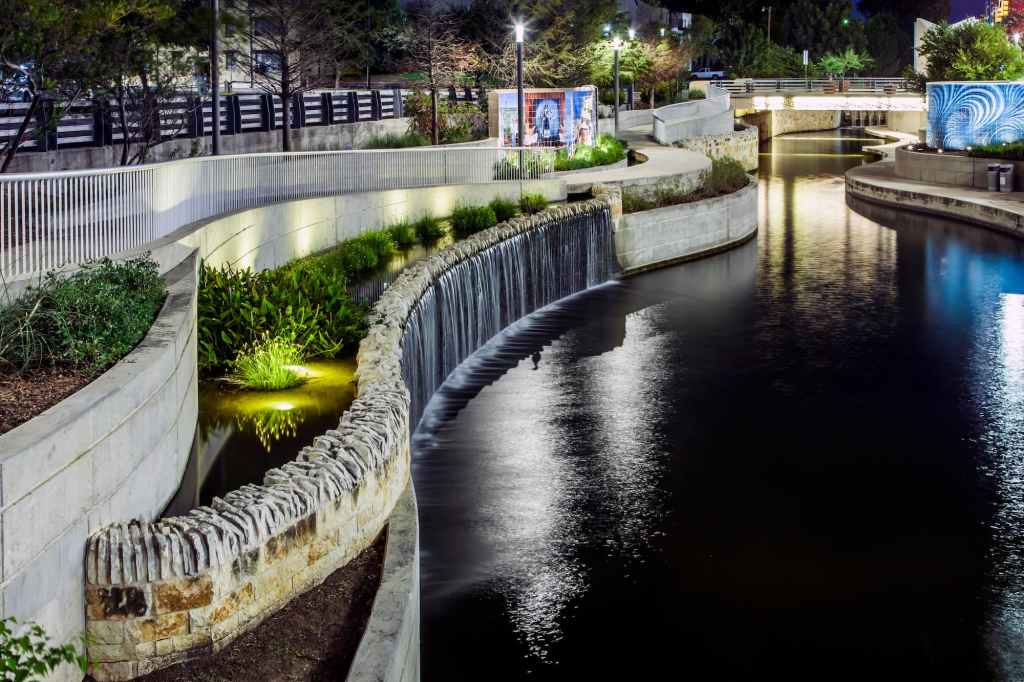
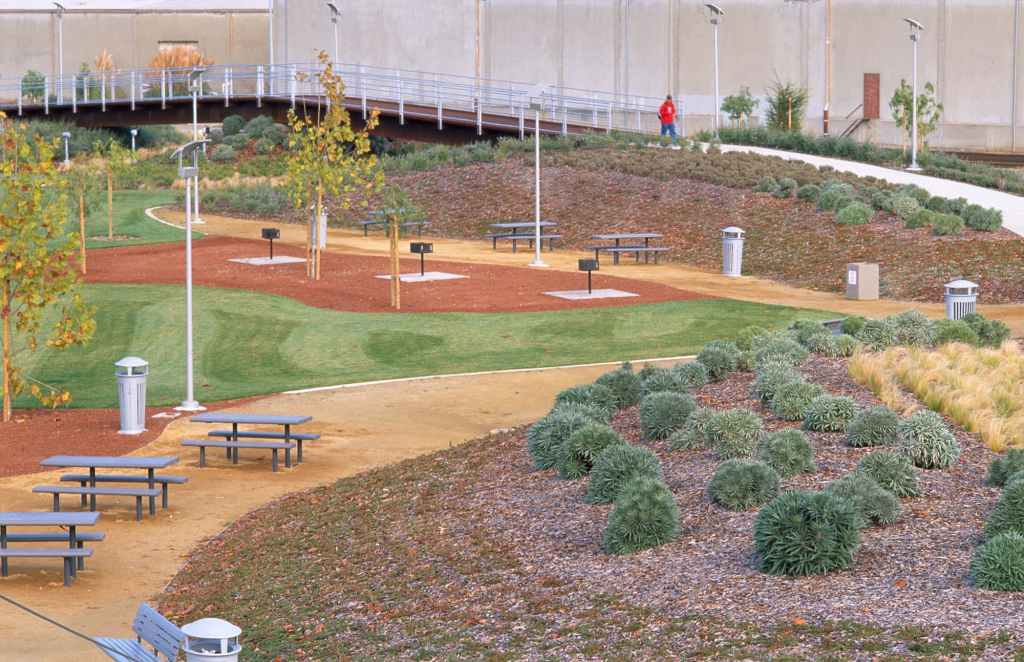
Though deeply rooted in Mexico, GDU’s work extends worldwide, from San Pedro Creek Culture Park in San Antonio to Union Point Park in Oakland, California.
Across continents, Schjetnan’s approach fuses environmental performance with emotional and cultural depth—an inheritance from mentors such as Luis Barragán, Roberto Burle Marx, and Lawrence Halprin, as well as from Mexico’s own poetic modernism embodied by Octavio Paz and Carlos Fuentes.
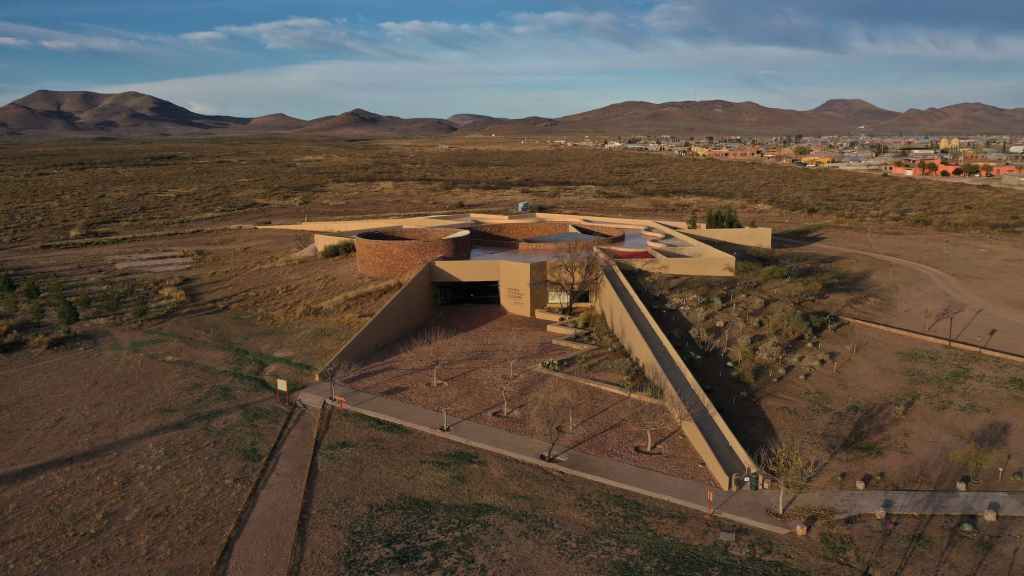
His landscapes are not static compositions but evolving cultural systems. “If you want to develop a new area,” he says, “you have to start with a park.”
A Prize Rooted in Legacy
Named for the late Cornelia Hahn Oberlander, the prize celebrates designers who—like Oberlander herself—see landscape architecture as an agent of climate and social repair. Previous laureates include Julie Bargmann (2021) and Kongjian Yu (2023).
The 2025 jury, chaired by Claire Agre of Unknown Studio, included an international roster of design leaders from Kenya, Australia, Denmark, Spain, India, and Singapore, reflecting the field’s growing global scope. Their choice of Schjetnan underscores how deeply the social mission of landscape architecture now resonates across regions and generations.
As part of the prize’s two-year engagement cycle, Schjetnan will appear at the Oberlander Prize Forum “Soak It Up” in Los Angeles this December, with future exhibitions and digital archives adding GDU’s projects to TCLF’s What’s Out There database.
The Landscape as a Right, Not a Luxury
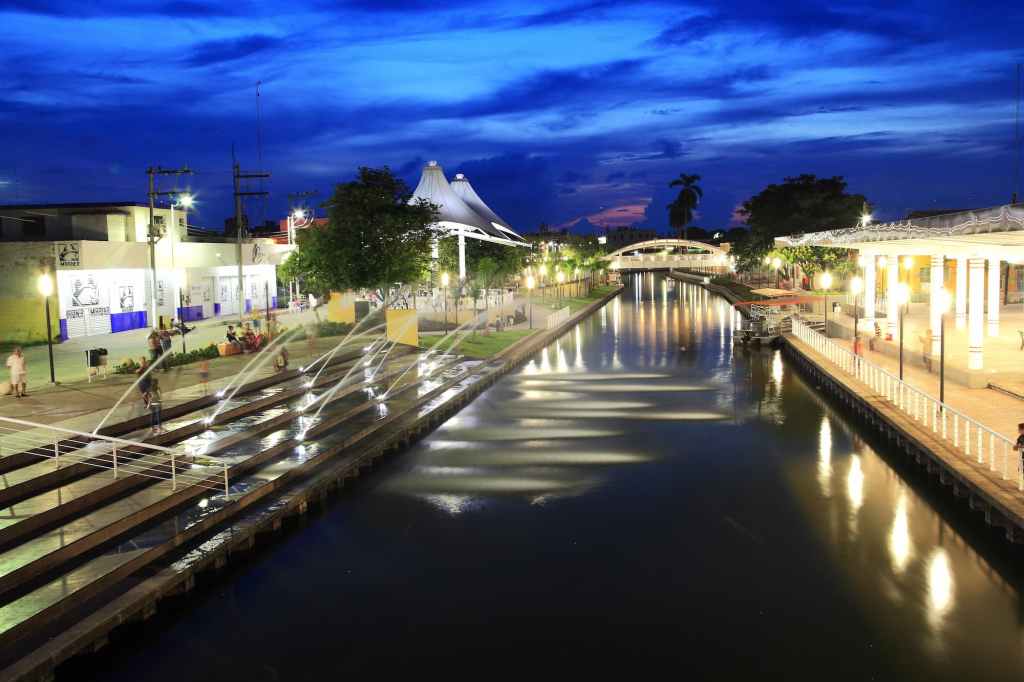
Schjetnan’s recognition comes at a time when cities around the world are confronting rising heat, water scarcity, and profound inequality. His life’s work argues that parks and public spaces are not amenities but infrastructure—essential for both ecological balance and democratic life.
“I have spent my life trying to improve livability,” he has said, “for the poorest sections of Mexico and Latin America—and also in the richest.”
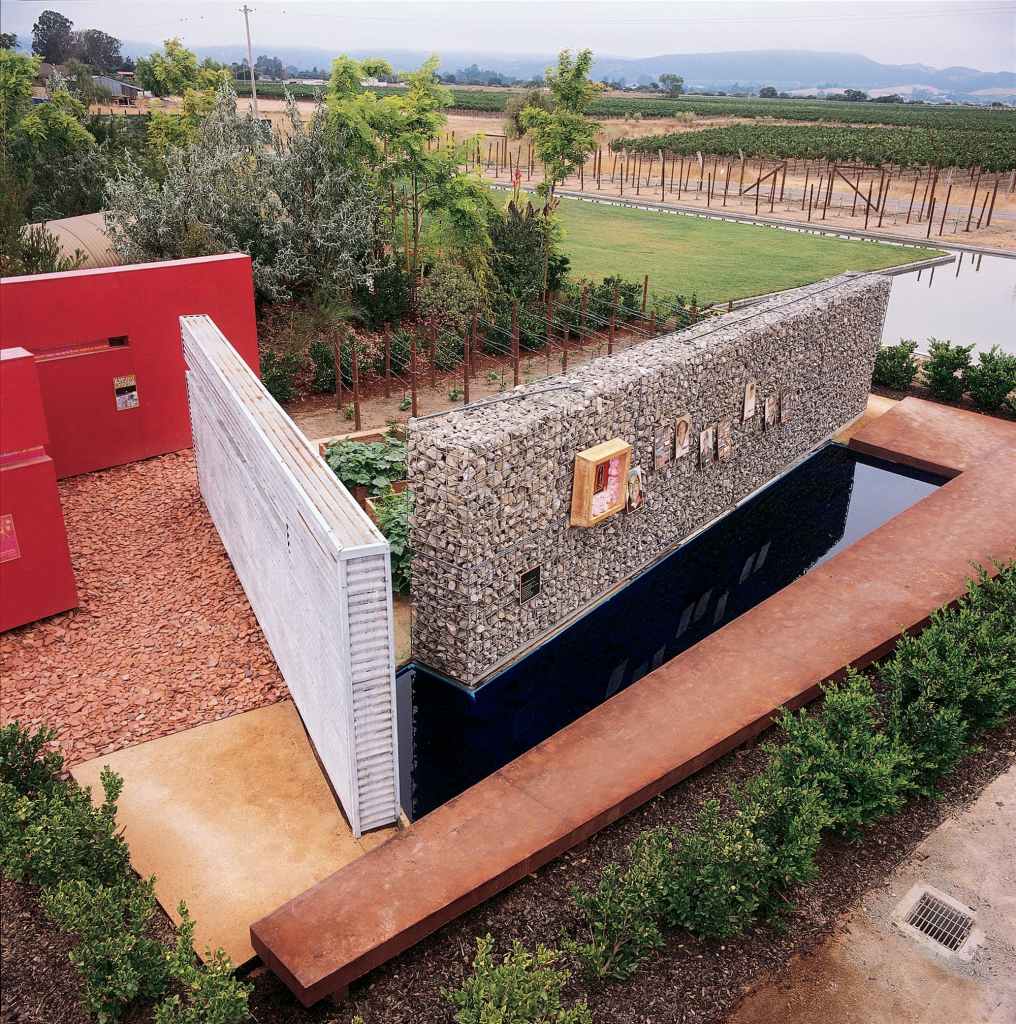
That pursuit, both moral and material, defines not just his career but the trajectory of landscape architecture itself: a discipline no longer content to decorate cities, but determined to transform them.