




Project Description
This project has been updated with new project information, photographs and drawings since its completion.
FROM THE ARCHITECTS:
[updated description]
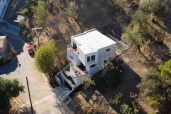
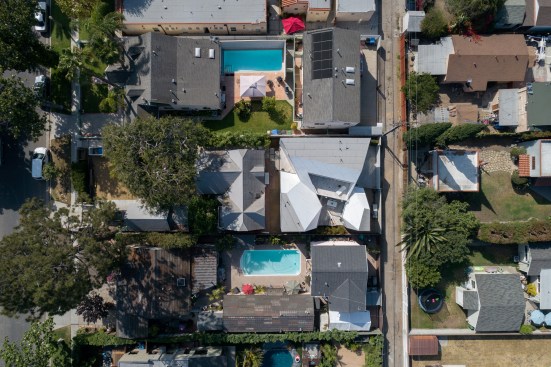
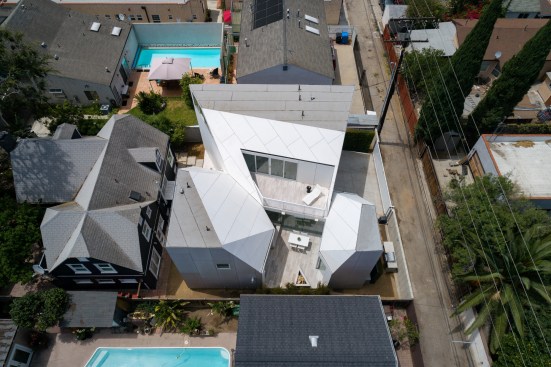
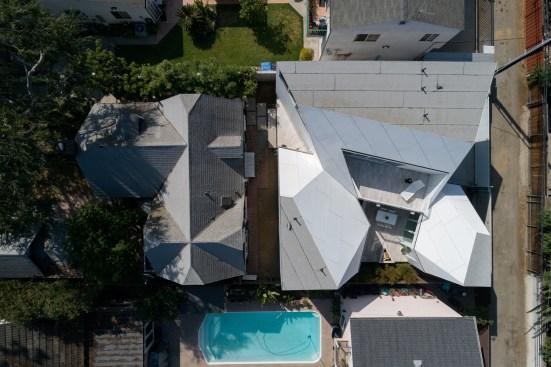
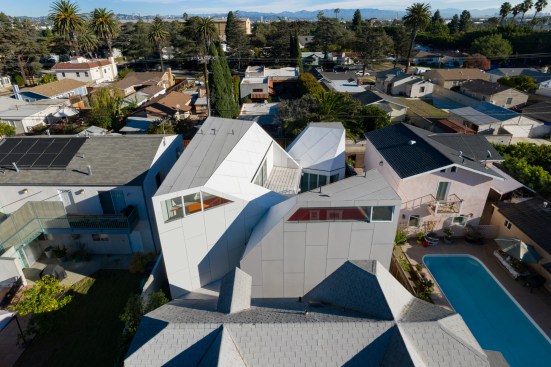
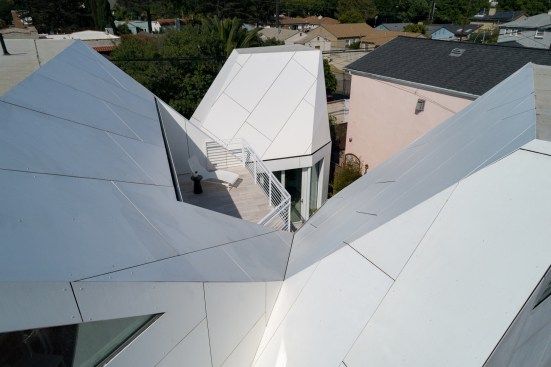
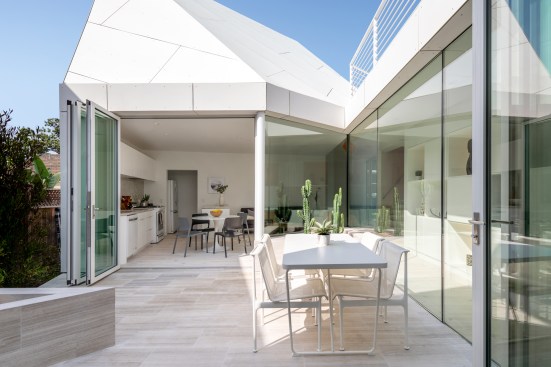
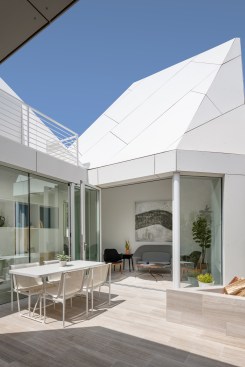
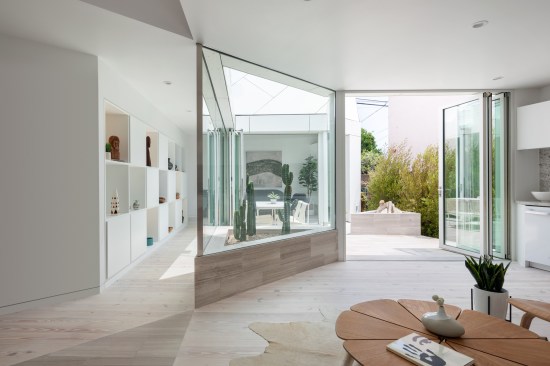
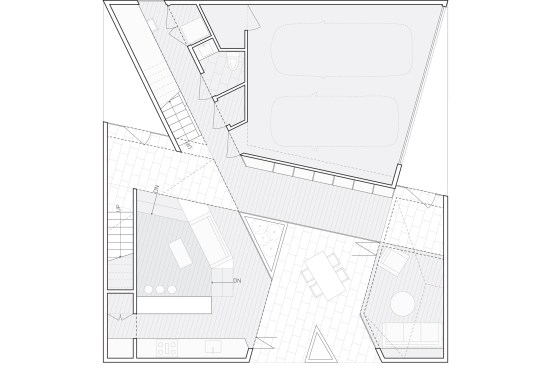
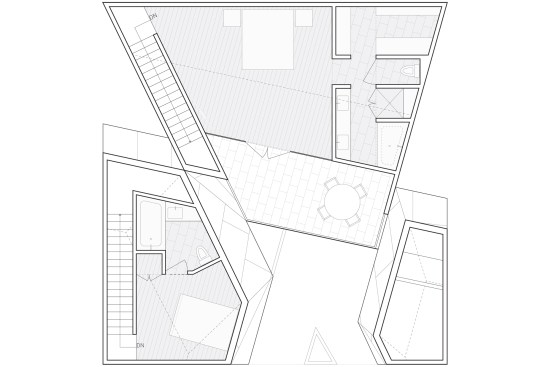
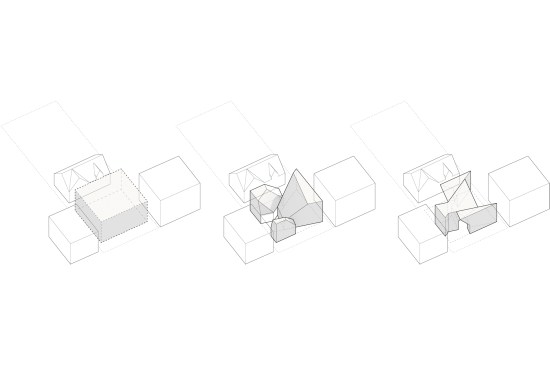
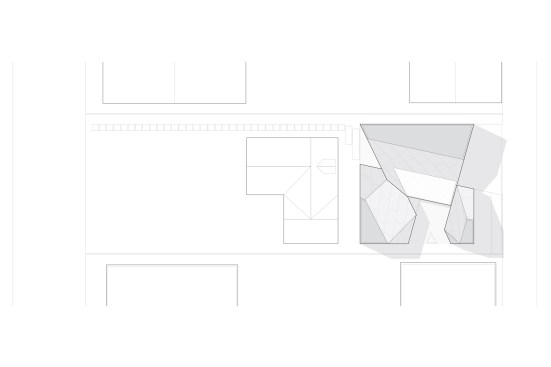
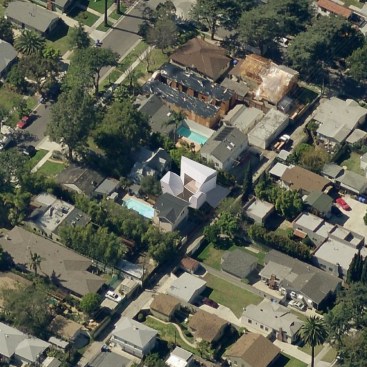
Los Angeles and New York-based architecture office FreelandBuck recently completed a new residential project, Second House, in Culver City, Los Angeles. The new 1,500-square-foot home is an intricate aggregation of interior and exterior volumes. Located on a tight site behind an existing residence, the new structure borrows the steeply pitched rooflines of the front house while turning inward around a private, central courtyard.
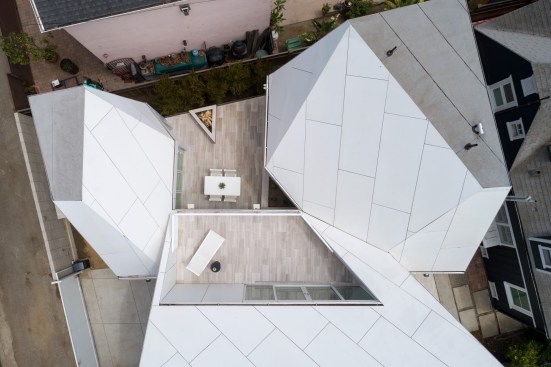
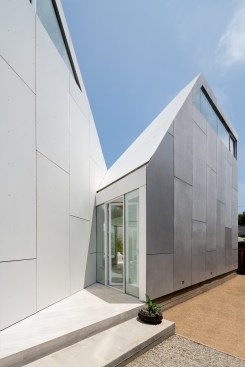
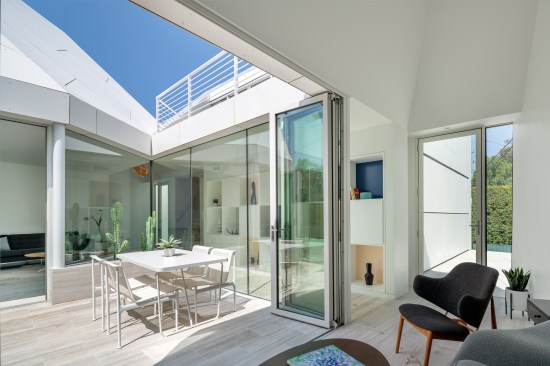
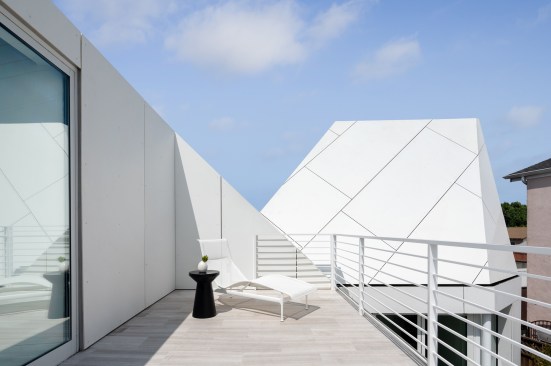
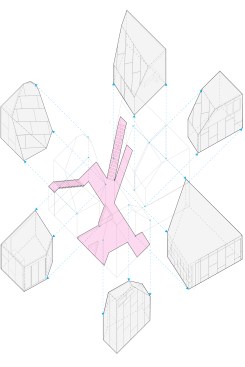
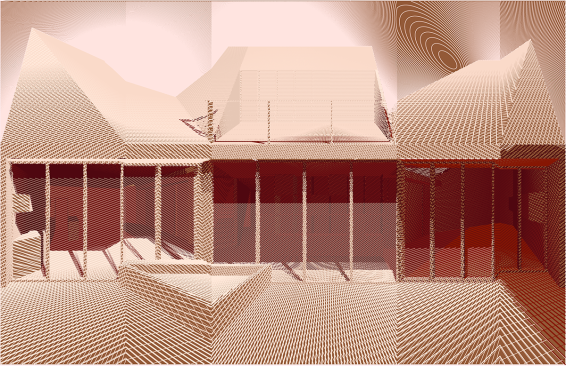
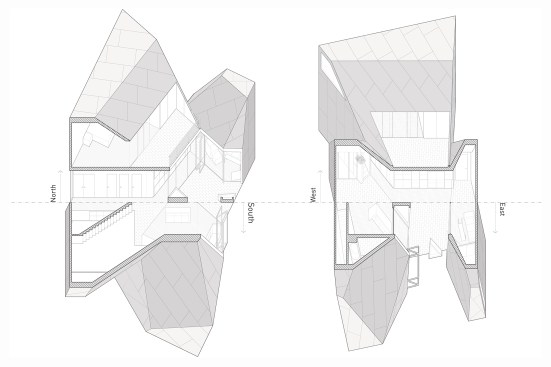
Each room of the house is expressed as a distinct block paired with a corresponding exterior space (two entry alcoves and a balcony overlooking the courtyard) carved from the buildable footprint. Even though the program is articulated as separate volumes, the interior and exterior spaces are woven together into a single, visually continuous living space. Transitions and thresholds are emphasized by an alternating arrangement of material surfaces, creating a series of dramatically different spaces that are integrated into a single environment.
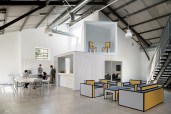
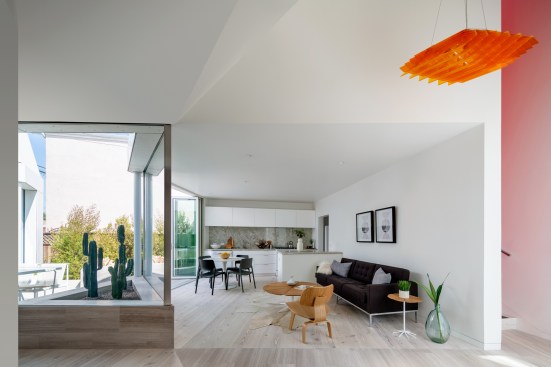
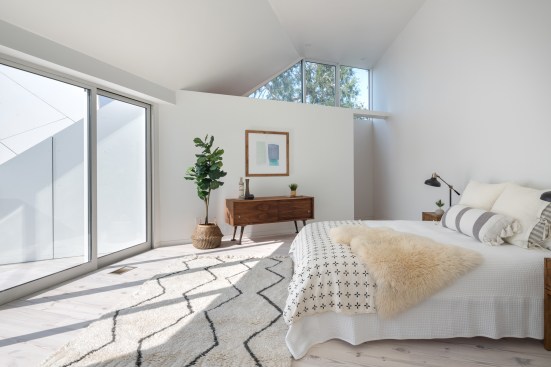
Floor materials such as tight-veined grey limestone and white stained knotty pine suggest distinctions between interior and exterior. The interior stairs are painted bright red and orange, with the colors leaking into adjacent bedrooms and living spaces depending upon light intensity and time of day. Light cascades down into the interior from high windows, providing views to the sky and hills.
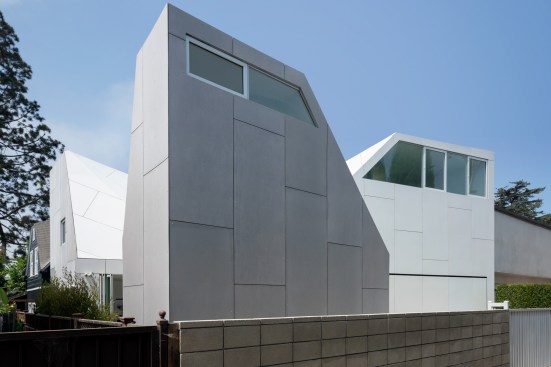
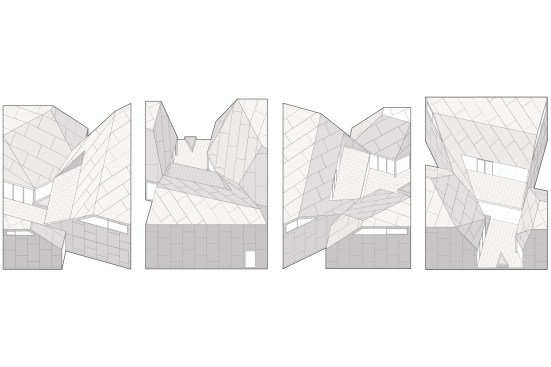
The exterior is clad with custom-patterned cement board panels and can be read as a monolithic mass. The orthogonal surfaces have a slightly darker tone than those at a diagonal, producing an ambiguous reading between a single rectangular block and three aligned wedges. In contrast to the differentiated-but-open ground floor, the master bedroom and guest room at the second level are isolated volumes, each contained in a separate wedge.
The house strikes a balance between volumetric distinction and spatial continuity and creates an environment in constant modulation; whether by natural and artificial light, the opening of doors and windows, or the configuration of furniture.
Design Highlights:
– The new 1,500-square-foot home is an intricate aggregation of interior and exterior volumes
– Each room is expressed through the massing and carves out a corresponding exterior space, creating a continuous flow between indoors and outdoors
– Transitions and thresholds are emphasized by an alternating arrangement of material surfaces, creating a series of dramatically different spaces that are integrated into a single environment
– Interior stairs are painted bright red and orange, with the colors leaking into adjacent bedrooms and living spaces depending upon light variability or time of day
– Floors: tight-veined grey limestone and white stained knotty pine suggest distinctions between interior and exterior
– Exterior: clad with custom-patterned cement board panels and can be read as a monolithic mass
– Custom fabricated lights hang in the front hall and living room, projecting colorfully textured shadows on the interior faces of each volume translated into a lamp shade at the scale of a house
[previous description]
This 1500 square foot house on an extremely tight site is an intricate aggregation of interior and exterior volumes.
Closely surrounded by other residences and without potential for visual connection outside the site, the house turns inward around a central courtyard. Each room is expressed through the massing, paired with a corresponding exterior space (two entry alcoves and a courtyard) carved from the buildable footprint.
This alternation from inside to out and back is emphasized by an alternating arrangement of material surfaces, creating a series of dramatically different spaces that are integrated into a single environment. While the program is made explicit through different volumes, both interior and exterior are knitted together into a single, visually continuous living space. This balance between volumetric distinction and spatial continuity creates an environment in constant modulation; by natural and artificial light, opening of doors and windows, and configuration of furniture.
The exterior is finished as a monolithic mass with specifically patterned cement board panels. The orthogonal surfaces have a slightly darker tone than those at a diagonal, producing an ambiguous reading between a single rectangular block and three aligned wedges. In contrast to the differentiated-but-open ground floor, the master bedroom and guest room at the second level are isolated volumes, each contained in a separate wedge.