What is a Smart City? Since the concept gained widespread prominence in the aughts, its definition has been ever-evolving—and elusive. That’s in no small part because of the staggering pace at which technology has developed: Broadband was cutting edge at the turn of the century while today we live in an age of big data and the internet of things. In its 2018 report, “Smart Cities: Digital Solutions for a More Livable Future,” McKinsey Global Institute defines smart cities as places that “put data and digital technology to work with the goal of improving the quality of life.” Imagine countless sensors tracking building performance, traffic conditions, city services, and citizen and pedestrian preferences, creating an endless stream of information that can help make urban living more productive, cost-effective, and sustainable.
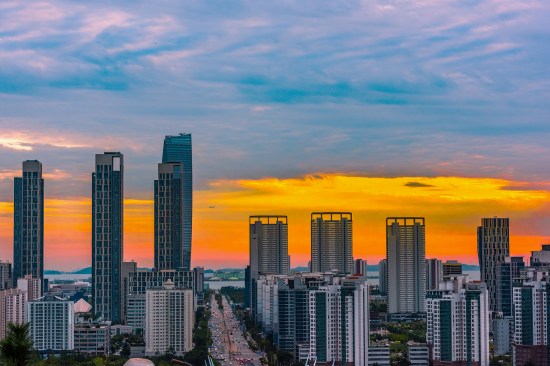
At least that’s the utopian vision. Very few ground-up projects have actually been built, and the ones that have, for the most part, have fallen well short of those ambitious aims. Consider Songdo, in South Korea, which sports serious technological efficiencies but has been disparaged by critics as characterless. What makes a city smart can’t be defined solely by its tech. How do you measure a city’s soul, the kind of urbanism that Jane Jacobs espoused, with lively neighborhoods and sidewalks and gathering places that encourage serendipitous encounters among its residents?
Chanchai
Songdo, South Korea
At a 2014 European Union conference about smart cities in Brussels, Rem Koolhaas, Hon. FAIA, took the stage after several gurus had already presented. “I had a sinking feeling as I was listening to the talks by these prominent figures in the field of smart cities because the city used to be the domain of the architect, and now, frankly, they have made it their domain. This transfer of authority has been achieved in a clever way by calling their city smart—and by calling it smart, our city”—i.e., the city of the architect—“is condemned to being stupid.” He continued: “Because the smart city movement has been apolitical in its declarations, we also have to ask about the politics behind the improvements on offer.” Caveat emptor.
Mega-corporations such as GE, Intel, and AT&T have been charging headlong into the arena, and no wonder: A March 2018 report estimated that the smart city market will grow to $2.57 trillion by 2025. Will their visions verge more on utopia or dystopia? The rise of a certain type of smart city—let’s call it the sensor city—could certainly be a formula for cleanliness and efficiency, but it could also lead to an exacerbation of inequality, expansion of state and corporate surveillance, and further erosion of privacy. Engaged citizens are pushing back, lobbying for a more inclusive, ground-up approach to the integration of technology with city building and management—one that respects individual rights, civic life, and the public purse.
Given that the majority of the world’s population now lives in urban areas, how the smart city movement evolves will have untold significance for how we will live in the not-so-distant future. In the following stories, which include case studies, a debate between leading visionaries, and other shorter items, we attempt to separate hype from reality, and demonstrate the key roles architects can play in this promising but ill-defined, and potentially even nefarious, landscape.

Rob Z.
-
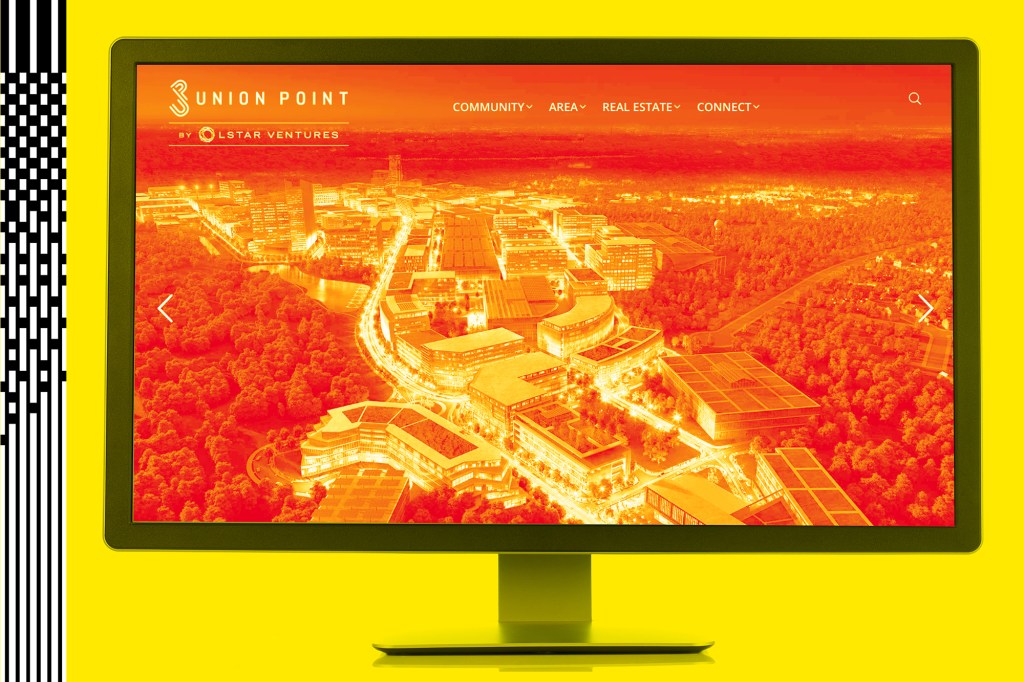
The Smart City That Wasn’t
Union Point was championed as a futuristic development that would help lure Amazon to Boston. Two lawsuits and countless unfulfilled promises later, the project is a case study in how smart-city hype can outpace reality.
-
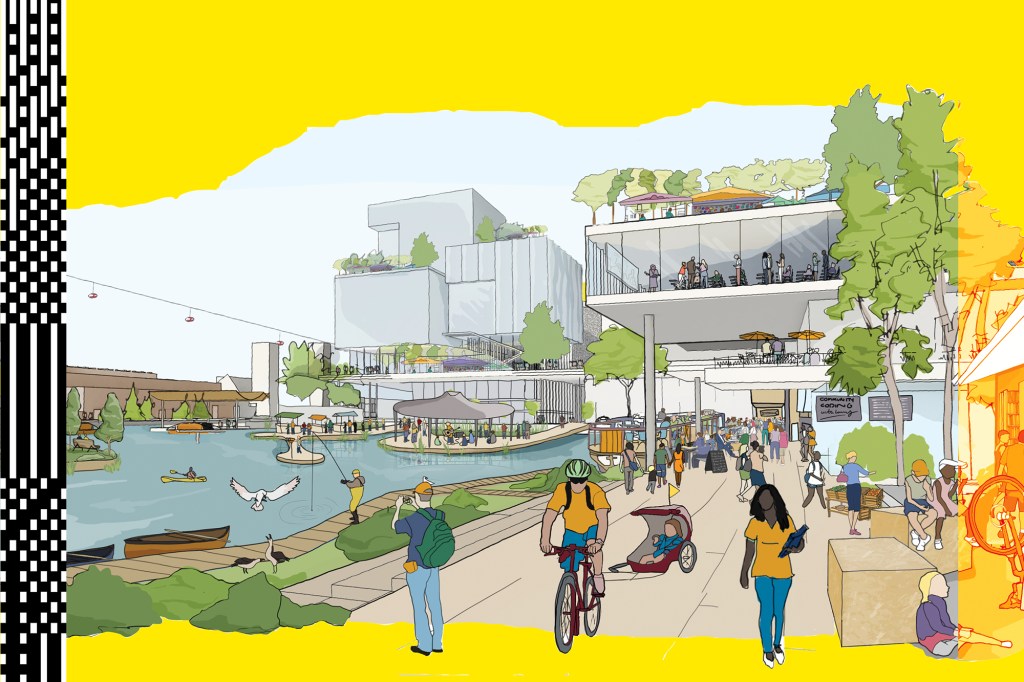
Google in Toronto: A Question of Privacy
Google affiliate Sidewalk Labs has prompted a backlash over data privacy with its Quayside smart-city project. Alex Bozikovic reports on what's been overlooked amid the controversy.
-
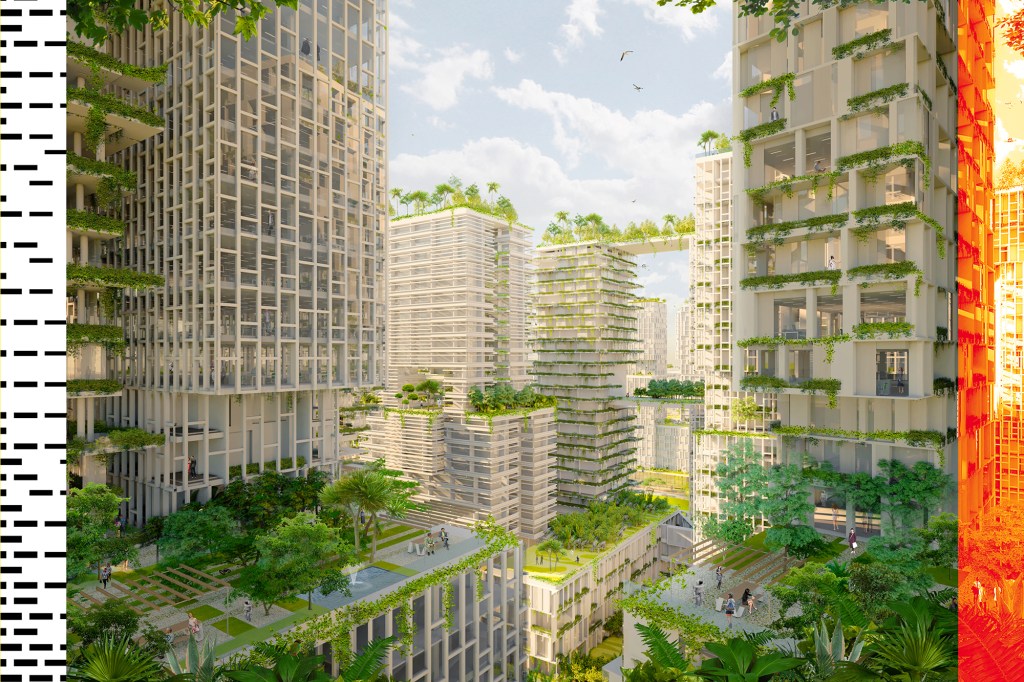
Future Proofing the Smart City
The Jurong Lake District in Singapore relies on smart urban planning to achieve resilience and sustainability.
-
Q+A: What Is a Smart City? Three Experts Explain
In a roundtable with ARCHITECT, architect Paul Doherty, policy and sustainability expert Debra Lam, and author Anthony Townsend trade opinions and insights on what the buzzword really means, why the world’s largest companies want a stake, and how architects can step up to the plate.

-
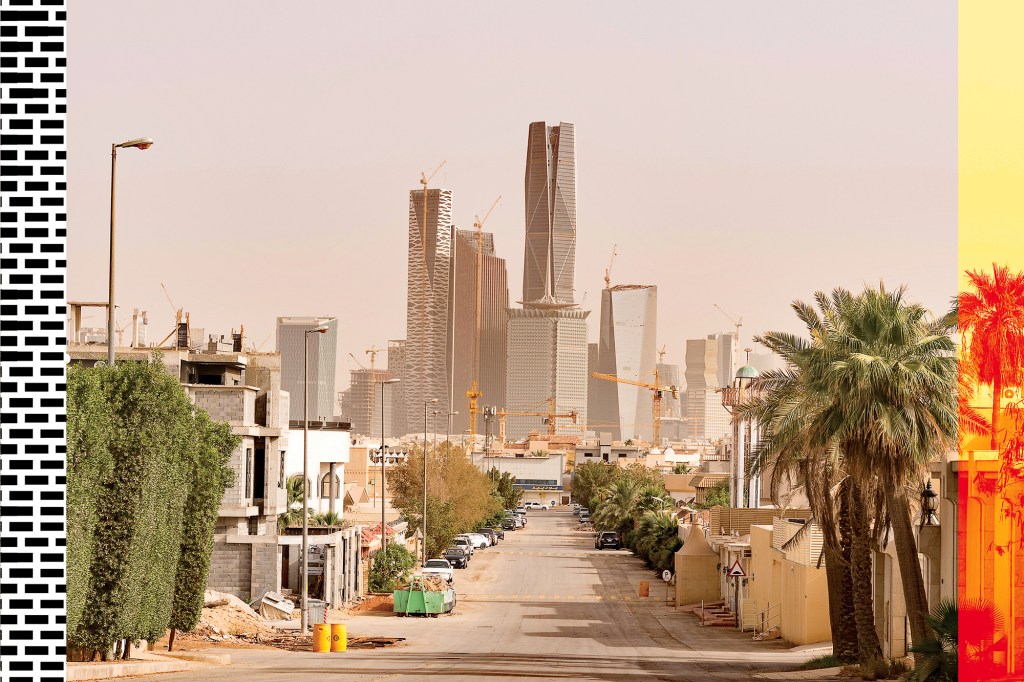
The Smart City as a Billboard of Progress
Saudi Arabia and other authoritarian states are using smart cities to transform their economies—with mixed results.
-
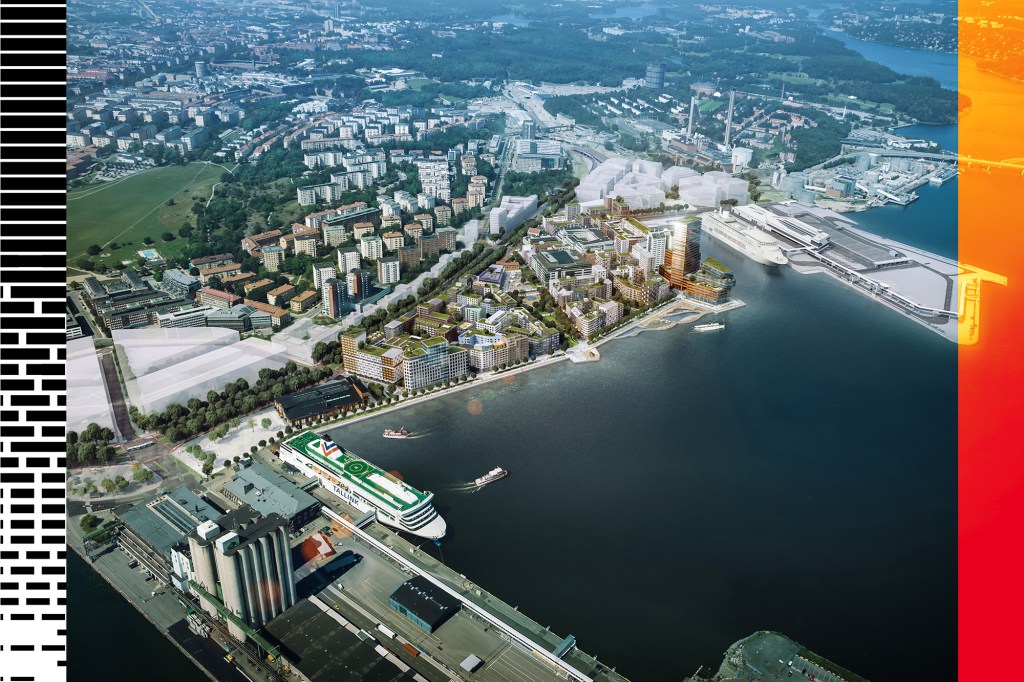
A Holistic Vision of the Smart City
Sensitive urbanism, smart technology, progressive architecture, and careful government stewardship make Royal Seaport in Stockholm a model for smart-city development.
-
A Who’s Who of Smart Cities
Some of the most prominent architects, planners, and critics of the smart city movement.

-
A Pullman Redux?
With their data-rich smart cities of the future, corporations and tech companies are putting a new spin on the company town of old.

-
Elements of a Smart City
From smart pavers to autonomous vehicles, this is the technology that powers the city of the future.